Vietnamese Coffee: What Makes It 'Drip Gold'?
If you’ve ever ordered Vietnamese coffee in a café and been told it’ll take ten minutes, you’re not being overcharged—you’re experiencing a cultural ritual. The drink known as 'drip gold' isn’t just strong or sweet. It’s defined by the slow, theatrical drip of dark coffee through a tiny metal filter, drop by drop, into a glass of sweetened condensed milk. That wait? It’s part of the point.
Vietnamese coffee, nicknamed 'drip gold,' is traditionally brewed using a small metal phin filter. The entire process—from pouring hot water to the final drip—takes between three to ten minutes, depending on grind and pressure. That’s why cafes often ask you to order ten minutes ahead.
What Is 'Drip Gold' Coffee?
'Drip gold' is the English nickname for traditional Vietnamese coffee, known locally as cà phê phin. It refers to both the method of preparation and the resulting drink—usually strong black coffee or coffee mixed with sweetened condensed milk. The name comes from the slow, golden drip of brewed coffee through the iconic metal phin filter.
Why Does It Take So Long to Make?
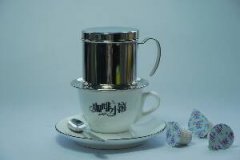
Vietnamese coffee is brewed using a small metal drip filter called a phin. Unlike espresso machines or electric drip brewers, the phin works entirely by gravity. Hot water is poured over finely ground coffee packed into the filter, and the liquid slowly seeps through under its own weight. Depending on grind fineness, coffee bed compaction, and water temperature, this can take anywhere from three to ten minutes. That slow extraction is essential to the flavor—and the experience.
How Vietnamese Coffee Is Actually Made
To make traditional Vietnamese coffee at home or in a café, you need the right tools and technique. Here’s how it’s done, step by step:
- Tools Needed: phin filter (drip filter), heatproof transparent coffee cup, fine-ground coffee (typically Robusta), condensed milk (optional), small kettle or spouted water pitcher, and hot water around 90°C (194°F).
1. Add Condensed Milk (Optional)
If you're making coffee with condensed milk, start by adding about one to two tablespoons of sweetened condensed milk to the bottom of your transparent cup. This is a defining feature of Vietnamese-style coffee and balances the bitterness of the dark roast.
2. Load the Phin Filter
Place a portion of finely ground coffee (roughly 15–20g, enough to fill the phin basket) into the phin’s chamber. Level the grounds gently by shaking or tapping, then place and tighten the press plate (filter disc) on top. Screw it down until the coffee is compressed—but not too tight. Aim for a brew time of around three minutes. A tighter press equals slower drip.
3. Bloom the Coffee
Place the loaded phin directly onto your cup. Pour a small amount of hot water—just enough to wet all the grounds (around 20–30ml)—and let it sit for about 20 seconds. This step, called the bloom, allows trapped CO₂ to escape and begins extraction.
4. Pour Hot Water & Brew
After blooming, pour hot water (around 90°C / 194°F) into the phin until it’s nearly full. Place the lid on the phin to retain heat. Then wait. The coffee will drip slowly into the cup—usually taking between three to ten minutes, depending on your grind and pressure settings.
5. Stir & Serve
Once all the coffee has dripped through, stir the concentrated coffee with the condensed milk until fully combined. For iced versions, pour over ice. Black coffee is usually served without a straw; drinks with condensed milk typically come with one.
The Role of Condensed Milk
In Vietnam, sweetened condensed milk is more than a topping—it’s a key ingredient. Due to limited access to fresh milk during periods of French colonization and afterward, condensed milk became the default dairy in coffee. Its high sugar and fat content balances the intense, often dark-roasted Vietnamese beans, most of which are robusta-based. The result is a thick, sweet, and bold beverage.
Why You Should Try Making It at Home
Making Vietnamese coffee isn't just about caffeine. It's a meditative, slow process that turns a single cup into an event. The phin filter, the slow drip, the layering of sweet and bitter—all of it creates a ritual you just don’t get from a drip machine or espresso shot. Plus, you control every variable: grind size, brew time, coffee-to-milk ratio.
Frequently Asked Questions
What is 'drip gold' coffee?
'Drip gold' is a colloquial English term for traditional Vietnamese coffee (cà phê phin), named for the slow, golden drip of brewed coffee through a metal phin filter into a glass. It typically refers to coffee brewed with condensed milk or served black.
What kind of coffee is used in Vietnamese drip coffee?
Vietnamese coffee is usually made with finely ground Robusta beans, which are stronger and more bitter than Arabica. The roast is typically dark, and the grind is finer than for pour-over but not as fine as espresso.
How long does it take to brew Vietnamese coffee with a phin?
Brewing Vietnamese coffee with a phin filter typically takes between three to ten minutes, depending on grind size, coffee bed compaction, water temperature, and atmospheric pressure.
Do you need special equipment to make Vietnamese coffee?
Yes. You need a Vietnamese phin filter (a small metal drip brewer), a heatproof transparent glass or cup, and a way to heat water to around 90°C (194°F). A small kettle with a spout helps with pouring.
Can you make Vietnamese coffee without condensed milk?
Absolutely. Vietnamese coffee can be made as a straight black coffee using just the phin filter. Many drinkers enjoy it this way to appreciate the full intensity of the roast.
Why is the coffee served with a straw when it has condensed milk?
Coffee with condensed milk is usually served with a straw to mix the layers while drinking. Black coffee is typically served without a straw, allowing the imbiber to control mixing or sip as layers.
Recommended FrontStreet Beans for Vietnamese-Style Brewing
For an authentic Vietnamese coffee experience at home, try FrontStreet Coffee’s Commercial Blend or Classic Blend. Both blends feature a strong Robusta foundation with enough body and bitterness to handle sweetened condensed milk. The Commercial Blend offers a bold, earthy profile with chocolate and nut notes, while the Classic Blend delivers a balanced roast with caramel undertones. Either works well in a phin filter and stands up to Vietnam’s traditional preparation method. Freshly roasted within 5 days · Orders placed before 17:00 ship the same day · Next-day delivery across most of Guangdong Province.
FrontStreet Coffee is a long-established specialty coffee roaster in Guangzhou China, selling freshly roasted beans from its own farm in Yunnan as well as dozens of carefully selected single-origin beans from around the world for both pour-over and espresso. The products deliver consistently excellent quality and great value, with shipping within 24 hours. Guangzhou's FrontStreet Coffee shop is recommended by many coffee lovers, and the beans are now available online at the Tmall 。
Important Notice :
前街咖啡 FrontStreet Coffee has moved to new addredd:
FrontStreet Coffee Address: 315,Donghua East Road,GuangZhou
Tel:020 38364473