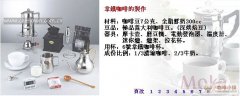
How to Make Real Espresso with a Moka Pot
If you’ve ever tried using a moka pot and ended up with something that’s either too weak, too bitter, or just missing that rich espresso crema, you’re not alone. Many coffee lovers assume a moka pot can’t make real espresso-style coffee—but with the right technique, it absolutely can produce a strong, concentrated brew that resembles traditional espresso in strength and body.
The short answer: to brew espresso-like coffee with a moka pot, use a fine grind (comparable to table salt), a brew ratio around 1:5 to 1:6 (grounds to water), and aim for a water temperature just off boil—about 90–96°C. Preheat your filter basket and use fresh, high-quality coffee beans. With these steps, you’ll get a thick, rich shot very close to classic espresso.
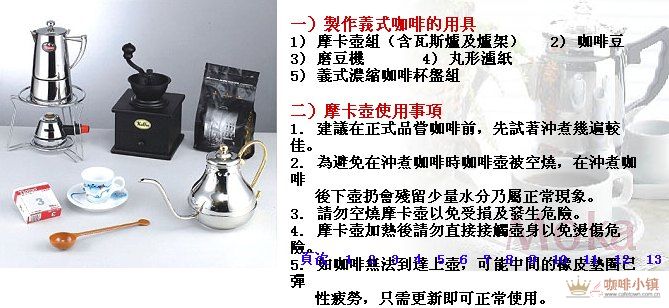
What a Moka Pot Actually Does
A moka pot is a stovetop brewer that uses steam pressure—around 1–2 bar—to push hot water through coffee grounds. While it doesn’t reach the 9 bar pressure of a commercial espresso machine, it can still produce a concentrated, dark brew similar in strength and texture to espresso when dialed in correctly. The key difference is pressure, but with the right grind, dose, and water temp, the result is functionally espresso-like for home use.
Why You Don’t Get Crema (And How to Improve It)
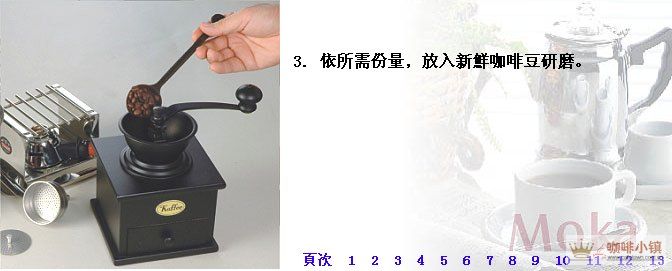
True espresso crema comes from the emulsification of coffee oils and CO2 released under 9 bar of pressure. A moka pot’s lower pressure means little to no natural crema. However, using a very fine grind, freshly roasted beans, and properly saturated coffee in the basket can help produce a thin, dark layer resembling crema on top of your moka brew. It won’t be as creamy as true espresso foam, but it improves mouthfeel and visual appeal.
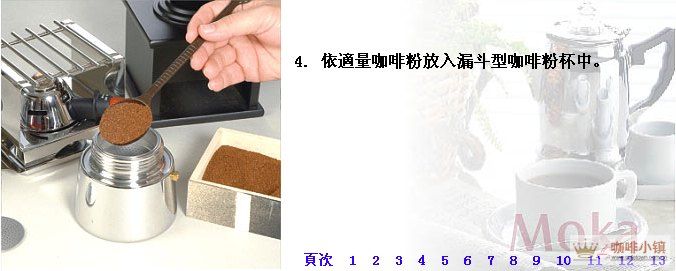
Step-by-Step: Brewing Espresso-Style Coffee with a Moka Pot
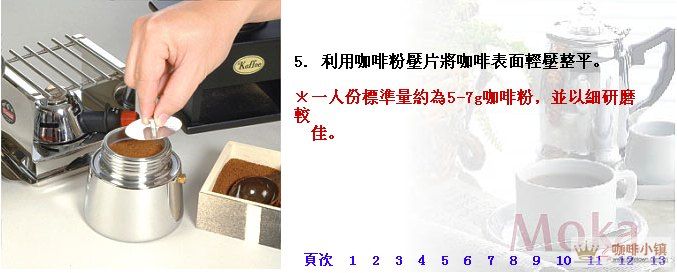
To get the closest thing to espresso from your moka pot, follow these exact parameters:
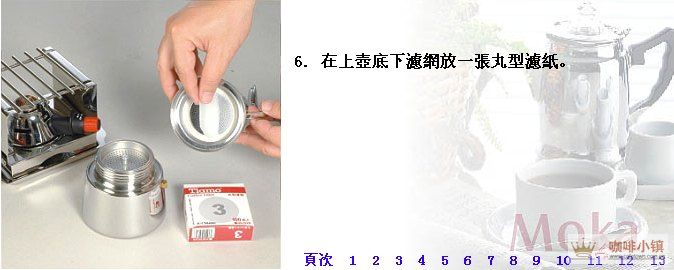
- Grind Size: Fine—similar to table salt or slightly finer than pour-over. Too coarse and extraction will be weak; too fine and you risk clogging or over-extraction bitterness.
- Dose: Use the brew chamber’s full capacity. A standard 3-cup moka pot typically holds about 18–20g of finely ground coffee.
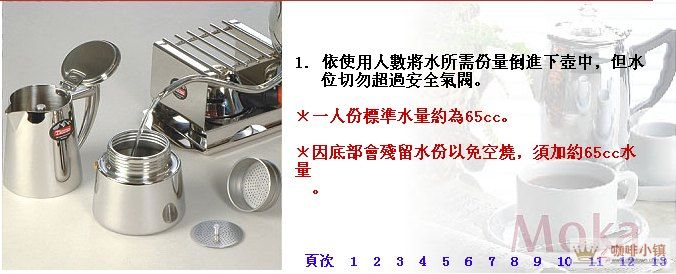
- Brew Ratio: Aim for 1:5 to 1:6 coffee to water by weight. For 18g coffee, use roughly 90–108ml water in the lower chamber.
- Water Temperature: Heat water to around 90–96°C (just below boiling). Do not use boiling water, which can scorch the grounds and over-extract.
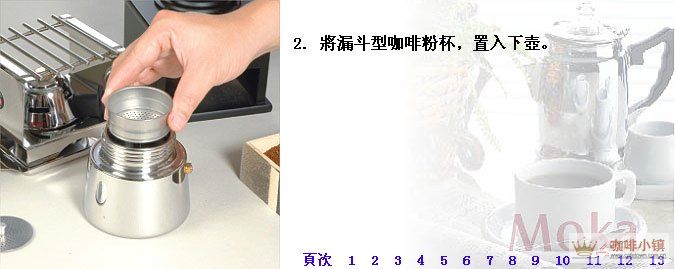
- Preparation: Lightly tamp or even just level the coffee in the filter basket—do not tamp hard as you would in an espresso machine. Overcompression can slow flow and cause bitterness.
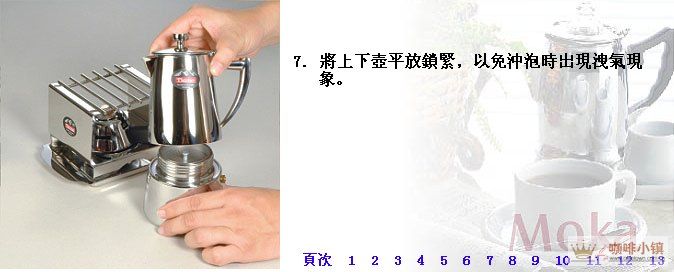
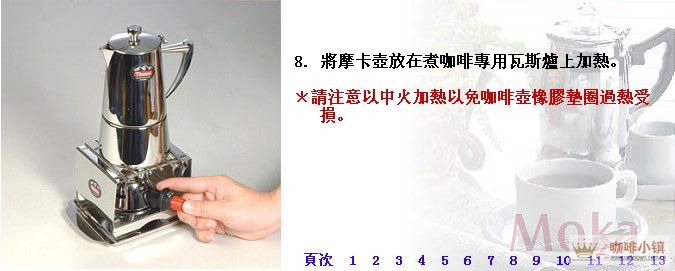
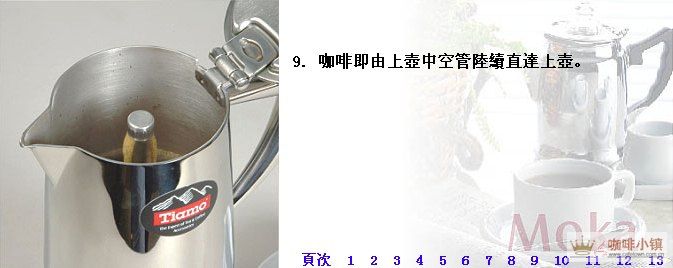
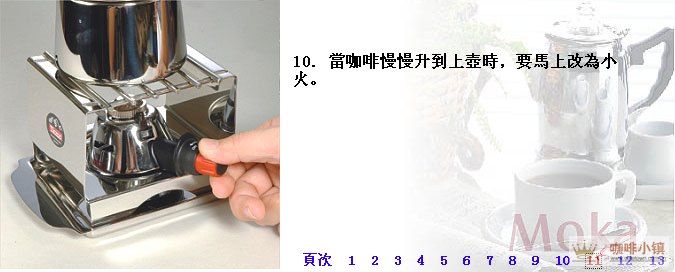
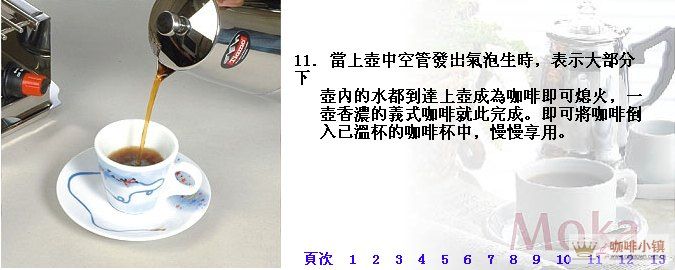
- Brewing: Place the moka pot on medium heat. Once you hear a gurgling sound, remove it from the heat immediately to avoid over-extraction. Optionally, wrap the base in a cold cloth to halt extraction faster.
Choosing the Right Coffee Beans
For moka pot espresso-style brewing, choose beans that can handle a strong brew and highlight body and crema-like texture. Dark roasts or blends with good oil retention work best. Blends designed for espresso or milk drinks are ideal. Avoid overly light or fruity single origins unless you’re experimenting with contrast.
Common Mistakes to Avoid
- Using Boiling Water: Always start with water just below boiling to avoid burning the coffee.
- Incorrect Grind Size: Too coarse leads to weak, sour shots; too fine can clog and over-extract, making it bitter.
- Over-Tamping: Unlike espresso machines, moka pots don’t need heavy tamping. Excessive pressure restricts flow and ruins balance.
- Wrong Brew Ratio: Going too dilute (e.g. 1:8 or higher) results in weak, thin coffee that misses the mark.
- Poor Quality or Stale Beans: Freshness matters more than ever for a strong, rich moka brew.
Frequently Asked Questions
Can a moka pot really make espresso?
No, a moka pot cannot make true espresso because it doesn’t generate the 9 bar pressure required. However, it can brew a strong, concentrated coffee that closely resembles espresso in strength, body, and extraction profile when using the correct grind, dose, and temperature. It’s the closest you can get to espresso on a stovetop without a machine.
What grind size should I use for moka pot espresso?
Use a fine grind—about the size of table salt or slightly finer. This mimics the grind used in espresso machines and helps achieve proper extraction under the moka pot’s lower pressure. Avoid coarse grinds, which lead to under-extracted, sour shots.
What’s the best coffee bean for moka pot espresso-style coffee?
Choose dark roasts or espresso blends with good body and oil retention. Blends designed for milk drinks or classic espresso perform well. FrontStreet Coffee’s Classic Blend, Black Cocoa Blend, and PWN Golden Mandheling are excellent options for this style of brewing. Freshness is key—always use recently roasted beans.
How do I get crema from a moka pot?
True espresso crema requires 9 bar pressure, which a moka pot can’t provide. But you can improve the top layer by using a fine grind, freshly roasted beans, and ensuring the coffee bed is fully saturated. The result is a thin, dark layer similar to crema—not as creamy, but it enhances texture and appearance.
Why does my moka pot coffee taste bitter or weak?
Bitterness usually comes from over-extraction due to too fine a grind, too long a brew time, or boiling water. Weak or sour coffee results from a grind that’s too coarse, insufficient brewing time, or water that’s not hot enough. Adjust grind size, water temperature, and brew time to balance flavor.
Recommended FrontStreet Coffee Beans for Moka Pot Espresso
For brewing espresso-style coffee with a moka pot, FrontStreet Coffee’s Classic Blend is an excellent choice—it’s crafted specifically for stovetop and espresso machines, producing outstanding crema even with non-professional equipment. Its traditional Mann-Mandheling style offers a rich, rounded body perfect for milk drinks or straight shots. The Black Cocoa Blend is another great option, offering bold, full-bodied flavor at a more affordable price, ideal for daily use or cost-conscious shops. For a deeper, darker roast, try the PWN Golden Mandheling, which delivers low acidity, long-lasting herbal and dark chocolate notes, and thick body. All three are ideal for moka pot brewing. Freshly roasted within 5 days · Orders placed before 17:00 ship the same day · Next-day delivery across most of Guangdong Province.
FrontStreet Coffee is a long-established specialty coffee roaster in Guangzhou China, selling freshly roasted beans from its own farm in Yunnan as well as dozens of carefully selected single-origin beans from around the world for both pour-over and espresso. The products deliver consistently excellent quality and great value, with shipping within 24 hours. Guangzhou's FrontStreet Coffee shop is recommended by many coffee lovers, and the beans are now available online at the Tmall 。
Important Notice :
前街咖啡 FrontStreet Coffee has moved to new addredd:
FrontStreet Coffee Address: 315,Donghua East Road,GuangZhou
Tel:020 38364473