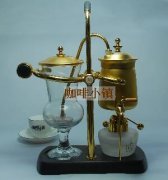
How to Use a Traditional Moka Pot for Coffee
If you’ve ever struggled to get a decent cup of coffee from a moka pot—either too weak, too bitter, or just plain off—you’re not alone. Many home brewers find the traditional moka pot tricky to master, especially when it comes to grind size, water levels, and heat control. But with the right technique, it can produce a rich, espresso-like coffee without an espresso machine.
To brew with a traditional moka pot, use a grind size between 0.3–0.55mm—slightly coarser than espresso but much finer than pour-over. Fill the bottom chamber with water below the safety valve, tamp coffee evenly in the filter basket, and brew over medium-high then low heat, stopping just as yellowish crema appears.
What Is a Traditional Moka Pot?
A traditional moka pot is a stovetop brewer that uses steam pressure—about 1.5 bars—to force hot water through finely ground coffee. It was invented in Italy in the 1930s and produces a small, strong coffee similar in strength to espresso but brewed differently. Unlike an espresso machine, it doesn’t generate enough pressure for true espresso extraction, but it’s a beloved method for making rich, concentrated coffee at home.
How to Use a Traditional Moka Pot Step by Step
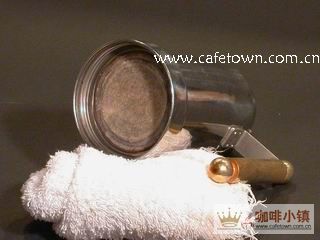
Here’s the exact process for brewing with a traditional moka pot, based on the recommended technique:
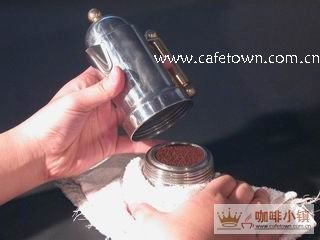
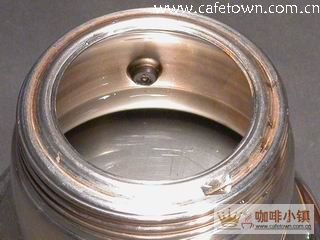
- Fill the bottom chamber with water: Pour fresh water into the lower part (the boiler), but do not exceed the safety valve. Keeping the water level below the valve prevents pressure issues and ensures safety.
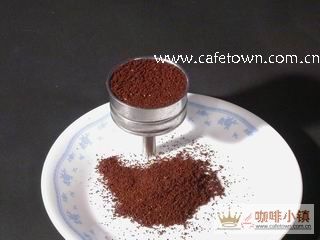
- Grind your coffee: Use a grind size between 0.3–0.55mm—this is finer than pour-over but coarser than espresso. The guide suggests a setting similar to “small flying horse 1.5,” which equates to a powder roughly like fine sugar or slightly coarser than table salt. For reference, it should be finer than what you’d use for drip coffee but not as powdery as traditional espresso.
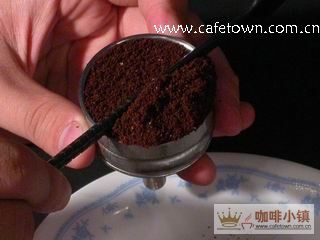
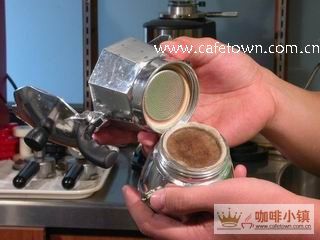
- Add coffee to the filter basket: Fill the metal filter basket (located in the middle section) with the ground coffee. You can slightly overfill it, then level the coffee by hand or with a chopstick or spoon—do not tamp it down. The goal is an even, flat surface without compression.
- Prepare the top chamber: Place a filter paper on the upper filter (optional, helps with cleanliness), lightly wet it to stick it to the metal, then screw the top chamber onto the middle part. Be careful not to overtighten at this stage.
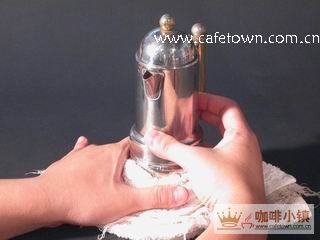
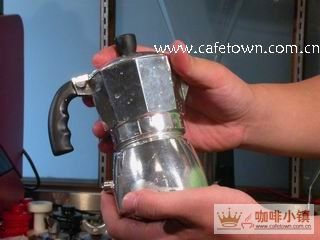
- Assemble the moka pot fully: Screw the top and bottom chambers together tightly. The seal must be secure to maintain pressure, but don’t force the handle—it can break. Avoid putting stress on the handle while tightening.
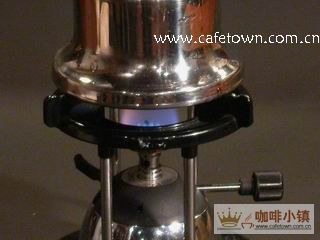
- Preheat with care: Place the moka pot on the stove over medium-high heat. For safety and to protect your hands, consider wrapping the base in a towel as the bottom chamber will get very hot. Ensure the water does not cover the safety valve.
- Adjust heat once brewing starts: When you see coffee begin to flow into the upper chamber, reduce the heat to low. This slows the extraction and prevents over-extraction or burning.
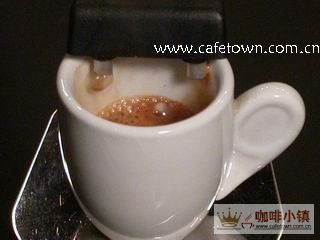
- Watch for the crema: Brewing will start slowly, then increase. When you see a spray of yellowish or whitish foam (crema) coming out, immediately turn off the heat. This foam signals that the coffee is fully extracted. Do not let it continue brewing into bitter, over-extracted territory (which may look like thin, excessively dark liquid).
Grind Size for Moka Pot: What You Need to Know
The grind size is critical for a balanced extraction. Moka pots operate at around 1.5 bars of pressure—far less than an espresso machine’s 9 bars—so the grind needs to be adjusted accordingly.
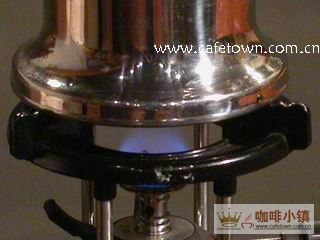
Ideal moka pot grind size is between 0.3–0.55mm. That’s finer than what you’d use for pour-over, but coarser than a standard espresso grind. In practical terms, it should resemble a fine sugar texture or be just a bit coarser than table salt. Too coarse, and the water flows too fast, resulting in under-extracted, sour coffee. Too fine, and the water struggles to pass, creating over-extracted, bitter shots and potentially dangerous pressure buildup.
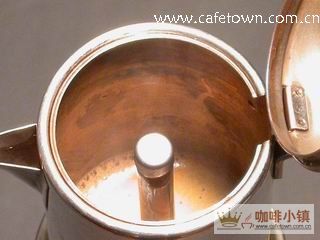
You can test your grind by observing the flow: if coffee sprays out quickly like a fountain, it’s too coarse. If it sputters or barely drips with a hissing sound, it’s too fine. Adjust until you get a steady, moderate flow.
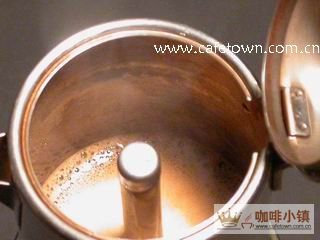
For different flavor profiles:
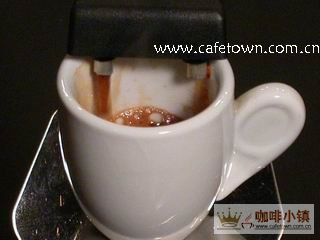
- To enhance rich crema and bold body, use a slightly coarser grind—like what you’d use for FrontStreet Classic Blend or Black Cocoa Blend (medium to dark roasts). These roasts work best with a grind that’s a bit coarser than table salt.
- For brighter, fruitier notes, go for a medium-fine grind, similar to table salt. This works well with FrontStreet’s Strawberry Candy Espresso or Huakui SOE, which shine with more delicate extractions.
Always adjust based on the coffee you’re using and your taste preference.
Cleaning and Maintenance
Proper cleaning extends the life of your moka pot and prevents off-flavors.
New Moka Pot Setup
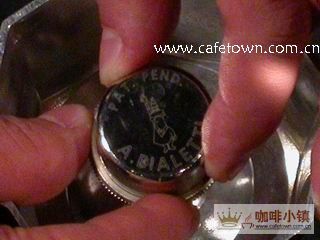
- Disassemble all parts: upper chamber, lower chamber, filter basket, rubber gasket, and filter plate.
- Clean each piece to remove factory oils—wash thoroughly with warm water.
- For Brikka-style moka pots, soak in water with a bit of baking soda to remove manufacturing residues.
- Run two cycles with just water (no coffee) to season the pot.
Post-Brew Cleaning
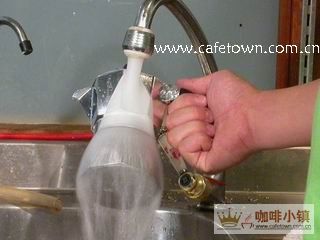
- After brewing, cool the moka pot quickly by running cold water over the base. This makes it safer to open.
- Once cooled, disassemble all parts while they’re still warm but safe to touch.
- Rinse all components thoroughly to remove coffee oils. Residual oil leads to rancid flavors in future brews and can degrade the rubber gasket.
- Let all parts dry completely before reassembling. Store disassembled or fully dried to prevent mold or odors.
- Check the rubber gasket regularly for wear or deformation. A damaged gasket will leak or fail to seal properly, ruining extraction.
- The metal filter plate’s surrounding gasket should also be inspected. If it doesn’t seal tightly, replace it.
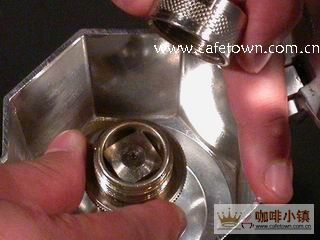
- The safety valve (pressure relief valve) can be removed for cleaning. Hold the bottom and twist the top to open it. Make sure it’s clean and unobstructed.
Safety Tips and Common Mistakes
- Never leave a moka pot unattended on the stove. If the water boils dry, the metal can overheat and become dangerously hot—or worse, the pressure can build excessively.
- Always ensure there’s enough water in the bottom chamber, and never let it drop below the safety valve.
- Check the rubber gasket regularly. If it’s loose or cracked, replace it to maintain pressure and avoid leaks.
- The bottom chamber gets extremely hot—use a towel or pot holder, and be careful not to touch it directly.
- Stop brewing as soon as you see the yellowish crema. Overbrewing leads to bitter, burnt flavors and increases pressure unnecessarily.
- Do not tamp the coffee in the filter basket. Tamping increases resistance too much for the limited pressure of a moka pot and can cause clogs or dangerous pressure spikes.
- Make sure the safety valve is not submerged in water. If water covers it, the valve can’t release pressure, creating a serious hazard.
Frequently Asked Questions
What is the ideal grind size for a traditional moka pot?
The best grind size for a traditional moka pot is between 0.3–0.55mm—finer than pour-over but coarser than espresso. It should feel similar to fine sugar or slightly coarser than table salt. This range allows proper extraction without clogging or over-pressurizing the brewer.
How much water should I put in a moka pot?
Fill the bottom chamber with water, but never exceed the safety valve. The water level should be well below the valve to ensure proper pressure control and safe brewing. Exact volume depends on your moka pot model, but typically it’s around 90–100ml for a standard 3-cup moka pot.
Do I need to tamp the coffee in a moka pot?
No, you should not tamp the coffee in a moka pot. The coffee should be leveled but not compressed. Tamping increases resistance too much for the moka pot’s low pressure and can lead to over-extraction, bitter flavors, or even dangerous pressure buildup.
How do I know when my moka pot coffee is done brewing?
Your moka pot is done brewing when you see a spray of yellowish or whitish foam (often called crema) coming out of the spout. At this point, you should immediately turn off the heat. Continuing to brew past this stage leads to over-extraction and bitter coffee.
How often should I clean my moka pot?
Clean your moka pot after every use. Disassemble all parts, rinse thoroughly to remove coffee oils, and let dry completely before reassembling. Perform a water-only brew cycle occasionally to maintain cleanliness and performance.
Can I use any coffee beans in a moka pot?
Yes, you can use any roasted coffee, but medium to dark roasts often work best to bring out the bold, rich flavors a moka pot highlights. For best results, adjust your grind size based on the roast level and flavor profile you want.
Recommended FrontStreet Beans for Moka Pot
For traditional moka pot brewing, try FrontStreet’s Classic Blend for a balanced, chocolatey profile with medium roast sweetness, or the Black Cocoa Blend for deeper, bold cocoa and caramel notes. Both respond well to the slightly coarser grind ideal for moka pots. If you prefer brighter fruitiness, the Strawberry Candy Espresso offers lively acidity and berry tones with a medium-fine grind. Freshly roasted within 5 days · Orders placed before 17:00 ship the same day · Next-day delivery across most of Guangdong Province.
FrontStreet Coffee is a long-established specialty coffee roaster in Guangzhou China, selling freshly roasted beans from its own farm in Yunnan as well as dozens of carefully selected single-origin beans from around the world for both pour-over and espresso. The products deliver consistently excellent quality and great value, with shipping within 24 hours. Guangzhou's FrontStreet Coffee shop is recommended by many coffee lovers, and the beans are now available online at the Tmall 。
Important Notice :
前街咖啡 FrontStreet Coffee has moved to new addredd:
FrontStreet Coffee Address: 315,Donghua East Road,GuangZhou
Tel:020 38364473