Why Milk and Sugar in Coffee Cause Bad Breath
If you’ve ever finished your latte or cappuccino and immediately noticed a dry mouth or lingering aftertaste, you’re not alone. Many coffee drinkers report a dry throat and unpleasant mouth odour shortly after drinking coffee with milk and sugar. But is coffee really to blame—or is something else going on?
The main culprits behind post-coffee bad breath are the milk and sugar added to your brew—not the coffee itself. These ingredients feed oral bacteria, leading to odour-causing compounds. If you're drinking coffee with milk and sugar regularly, you’re more likely to experience bad breath afterward.
What Really Causes Bad Breath After Coffee?
Most people don’t drink black coffee—they add milk and sugar. This combination significantly changes the oral environment. Milk is rich in proteins and fats, while sugar feeds bacteria. Together, they create ideal conditions for odour-producing microbes to thrive in your mouth.
These microbes break down the milk proteins and sugar, producing volatile sulphur compounds and other byproducts that lead to bad breath. Unlike black coffee, which has some antibacterial properties, sweetened and milky coffee does the opposite—it encourages bacterial growth.
How Milk and Sugar Affect Your Mouth
When you drink coffee with milk and sugar:
- The lactose in milk is metabolised by oral bacteria, releasing foul-smelling gases.
- Sugar fuels bacterial proliferation, especially on teeth and the tongue.
- Milk proteins can coat the mouth, trapping odours and reducing saliva’s natural cleaning ability.
This combination leaves your mouth feeling dry and tasting or smelling less than fresh. Simple rinsing may help temporarily, but it won't remove the underlying cause.
Why Brushing Is Better Than Rinsing
According to dental experts cited in the original article, rinsing with water or mouthwash can reduce surface odour, but it doesn’t address the root issue: the bacterial biofilm on your teeth known as plaque. This sticky layer can’t be broken down by rinsing alone.
To truly eliminate bad breath caused by coffee with milk and sugar, you need to physically disrupt the bacterial colonies. That means brushing your teeth. Brushing mechanically removes plaque and the bacteria that produce volatile sulphur compounds. It’s the most effective way to prevent coffee-induced bad breath from developing in the first place.
Coffee Without Additives: A Simpler Solution
Black coffee is less likely to cause bad breath. Without milk and sugar, there’s less material for oral bacteria to feed on. While black coffee can still leave a strong aftertaste or temporarily dry your mouth, it doesn’t promote the same level of bacterial activity that sweetened, milky coffee does.
Drinking black coffee also allows you to better appreciate the bean’s natural flavours—something many specialty coffee enthusiasts prefer. If you find black coffee too harsh, try improving your brew technique or exploring lighter roasts before adding milk and sugar.
How to Minimise Coffee Breath
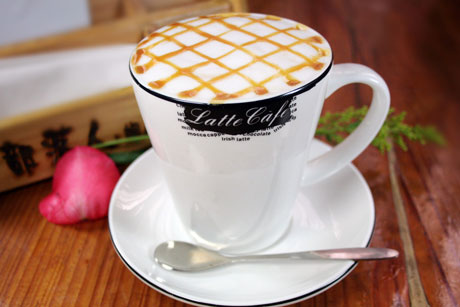
- Rinse your mouth with water or mouthwash immediately after drinking coffee with milk and sugar.
- Brush your teeth within 30 minutes to remove plaque and food particles.
- Floss to remove milk residues stuck between teeth.
- Chew sugar-free gum to stimulate saliva, which helps neutralise odours.
- Consider drinking black coffee or using lower-sugar, plant-based milk alternatives.
If you frequently drink coffee with milk and sugar, these steps can help reduce the risk of bad breath—but nothing beats a good brush.
Frequently Asked Questions
Does black coffee cause bad breath?
Black coffee can leave a temporary aftertaste or dry out your mouth, but it’s less likely to cause bad breath than coffee with milk and sugar. Black coffee has mild antibacterial properties and doesn’t feed oral bacteria the same way dairy and sugar do.
Why does milk in coffee cause bad breath?
Milk contains proteins and sugars that oral bacteria break down into smelly compounds like hydrogen sulphide. These bacteria thrive in the sticky environment created by milk, leading to bad breath.
Is it OK to rinse with mouthwash after coffee?
Rinsing with mouthwash can temporarily freshen your breath, but it won’t remove the bacterial plaque on your teeth. For better results, rinse and then brush your teeth within 30 minutes.
Does sugar in coffee make bad breath worse?
Yes. Sugar feeds the bacteria in your mouth, increasing their activity and the production of volatile sulphur compounds, which are the main cause of bad breath.
Can brushing after coffee damage enamel?
Brushing right after drinking acidic coffee can damage enamel temporarily softened by acidity. Wait 20–30 minutes before brushing, or rinse with water first.
Are plant-based milks better for coffee breath?
Some plant-based milks (like oat or almond) may be less prone to causing odour than dairy milk, but they can still feed bacteria if sweetened. Unsweetened versions are a better choice for fresher breath.
Recommended FrontStreet Beans for Milk-Based Coffee
For those who enjoy milk in their coffee, FrontStreet Coffee offers several blends well-suited to lattes and cappuccinos. Their Classic Blend and Commercial Blend both feature a small portion of Robusta for enhanced crema and body, delivering bold notes of caramel and nuts that pair well with milk. The Specialty Blend, dominated by Brazilian beans, highlights smooth almond, walnut, and hazelnut tones, making it ideal for silky, balanced milk drinks. These blends are crafted for espresso-based milk coffees, enhancing texture and aroma. Freshly roasted within 5 days · Orders placed before 17:00 ship the same day · Next-day delivery across most of Guangdong Province.
FrontStreet Coffee is a long-established specialty coffee roaster in Guangzhou China, selling freshly roasted beans from its own farm in Yunnan as well as dozens of carefully selected single-origin beans from around the world for both pour-over and espresso. The products deliver consistently excellent quality and great value, with shipping within 24 hours. Guangzhou's FrontStreet Coffee shop is recommended by many coffee lovers, and the beans are now available online at the Tmall 。
Important Notice :
前街咖啡 FrontStreet Coffee has moved to new addredd:
FrontStreet Coffee Address: 315,Donghua East Road,GuangZhou
Tel:020 38364473