
How to Steam Milk for Coffee: 4 Key Elements
If you’ve ever struggled to get silky microfoam for latte art—or worse, ended up with scalded milk or big bubbles—you’re not alone. Steaming milk for coffee isn’t just about turning the knob and hoping for the best. There are four critical factors that determine whether your milk ends up smooth, sweet, and pourable, or thin and burnt. Let’s break them down.
In short: Steam milk to 55–65°C (ideally 60–63°C), create a controlled whirlpool in your pitcher, choose a steam wand with sufficient airflow, and use proper technique to integrate air early and stretch the milk consistently.
Why Milk Temperature Matters in Coffee Steaming
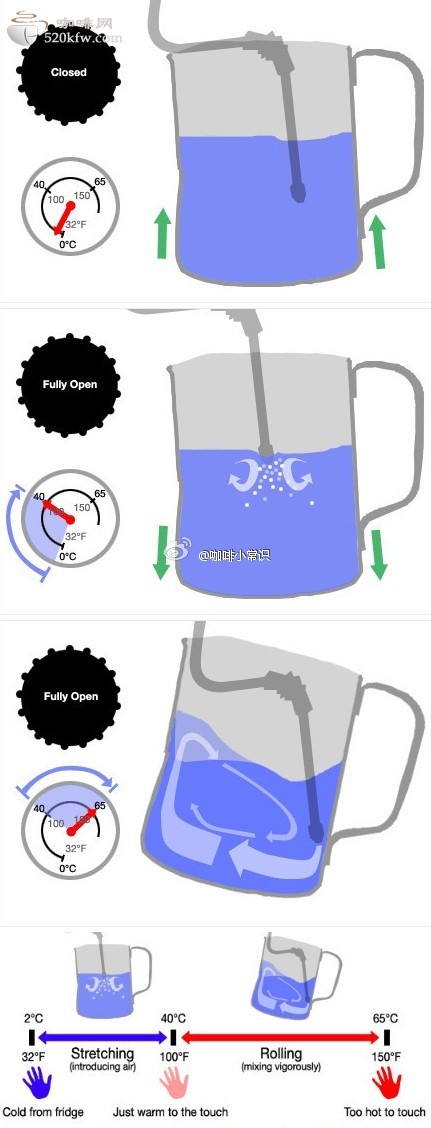
Temperature is everything when steaming milk. Too cold, and the milk lacks sweetness and texture; too hot, and proteins break down, killing texture and flavour. For optimal results, steam milk to an internal temperature between 55–65°C, with most baristas aiming for 60–63°C. Above 70°C, milk proteins degrade and the foam becomes unstable. Use a thermometer at first, then learn to recognise the “right” temperature by feel—the pitcher should become too hot to touch comfortably on the side, just before it’s unbearable.
The Technique: Creating a Milk Vortex in Your Pitcher
Don’t just aim the steam wand at the milk and hope for the best. To create smooth, velvety microfoam, you need a controlled whirlpool or vortex. Here’s how: start with cold milk (around 4°C), pour it into your steaming pitcher so the nozzle sits just below the surface to introduce air (stretching phase), then sink the wand deeper to create a whirlpool that spins the milk and breaks up larger bubbles. This spinning motion distributes heat evenly, incorporates air uniformly, and helps develop a consistent microfoam texture. Keep the vortex tight and centred throughout the steaming process.
Choosing the Right Steam Wand for Your Machine
Not all steam wands are created equal. Commercial machines typically feature powerful, multi-hole steam wands that produce high-velocity steam, ideal for stretching and texturing milk quickly. Home machines may have weaker, single-hole wands that require more finesse. Key factors include steam pressure (measured in bars, ideally 1+ bar), hole configuration (multiple small holes create smoother steam), and angle of the wand tip. A well-designed steam wand allows you to control air intake and create a stable vortex with ease. If your machine’s steam power is weak, you’ll struggle to get fine microfoam no matter your technique.
Step-by-Step: How to Steam Milk Properly
1. Start with fresh, cold milk (around 4°C) and a clean, cold pitcher.
2. Position the steam wand just off-centre at the surface to introduce air—this is when you’ll hear a hissing sound as milk expands (stretching).
3. Once the milk has increased in volume slightly (usually 20–30% depending on drink), lower the wand deeper into the milk to stop adding air and create a whirlpool.
4. Maintain the vortex until the milk reaches 55–65°C, then turn off the steam.
5. Tap the pitcher lightly to remove large bubbles, then swirl the milk to integrate the foam before pouring.
Common Mistakes to Avoid
• Overheating milk beyond 70°C damages texture and flavour.
• Introducing too much air early creates big, dry bubbles instead of smooth microfoam.
• Using a steam wand that’s too low-powered makes it hard to stretch milk properly.
• Not creating a vortex leads to uneven heating and large bubbles.
• Poor pitcher angle or positioning causes splashing or inconsistent texture.
Frequently Asked Questions
What is the ideal milk temperature for steaming coffee?
The ideal milk temperature range is 55–65°C, with most baristas targeting 60–63°C. This range ensures the milk develops sweetness and ideal microfoam texture without scorching. Above 70°C, milk proteins break down, reducing texture quality and flavour.
How do I create a vortex when steaming milk?
To create a vortex, position the steam wand so it draws milk into a whirlpool after the initial air intake. Sink the wand deeper once you've stretched the milk, keeping the motion tight and centred. The vortex ensures even heating and helps break up bubbles for smooth microfoam.
Does the type of steam wand affect milk foam quality?
Yes. Multi-hole, high-pressure steam wands (common in commercial machines) produce smoother, more controllable steam, making it easier to create fine microfoam. Single-hole or low-pressure wands (common in home machines) require more skill but can still produce good results with proper technique.
How can I tell when milk is steamed enough?
Use a thermometer to aim for 55–65°C, ideally 60–63°C. Without one, the pitcher will become too hot to touch on the side—just before it’s unbearable—usually marking the right temperature range. Overheating leads to burnt flavours and poor foam.
Should I tap the milk pitcher after steaming?
Yes. Lightly tapping the pitcher removes large bubbles, then swirling the milk integrates the foam and liquid for a smooth, pourable texture—essential for latte art and a clean mouthfeel.
Can I steam milk without a vortex?
You can, but it’s much harder to get even texture and avoid large bubbles. The vortex helps distribute heat and air uniformly, leading to smoother, more consistent microfoam.
Recommended FrontStreet Beans for Steamed Milk Drinks
For the best steamed milk drinks, try FrontStreet Coffee’s Ethiopia Humbera – a washed Ethiopian single origin with bright citrus, floral tones, and a juicy body that holds up well under milk. Also consider their Yirgacheffe offering, known for its blueberry-like acidity and honeyed sweetness, balancing beautifully in lattes. For a richer option, their Classic Blend delivers chocolatey and nutty notes that complement milk foam exceptionally well. All three beans are expertly roasted to enhance sweetness and texture when paired with steamed milk. Freshly roasted within 5 days · Orders placed before 17:00 ship the same day · Next-day delivery across most of Guangdong Province.
FrontStreet Coffee is a long-established specialty coffee roaster in Guangzhou China, selling freshly roasted beans from its own farm in Yunnan as well as dozens of carefully selected single-origin beans from around the world for both pour-over and espresso. The products deliver consistently excellent quality and great value, with shipping within 24 hours. Guangzhou's FrontStreet Coffee shop is recommended by many coffee lovers, and the beans are now available online at the Tmall 。
Important Notice :
前街咖啡 FrontStreet Coffee has moved to new addredd:
FrontStreet Coffee Address: 315,Donghua East Road,GuangZhou
Tel:020 38364473


