
How to Cup Coffee: Methods, Purpose, and Pros & Cons
Coffee professionals and roasters constantly face a key question: how can you truly compare several coffees on a level playing field? Without a consistent method, opinions on flavor become subjective noise. That’s where cupping comes in—not as a casual tasting, but as a structured way to assess and rank coffees based on shared criteria.
To reliably evaluate coffee quality, you need a controlled method: 10 grams of medium-ground coffee, 150 ml of water at around 85–93°C, and a standardized approach to assessing aroma, flavor, acidity, sweetness, and defects. Most specialty systems use either the SCAA, Brazilian, or a shop-tailored approach, each with specific steps for consistency.
What Is Coffee Cupping and Why It Matters
Cupping is the final check for confirming how a coffee actually tastes. No matter how much theory or technique a roaster or barista claims, poor flavor means nothing else matters. Cupping isn’t casual sipping—it’s a disciplined process to identify flaws, confirm roast success, and compare coffees objectively. Without it, improving a roast or selecting a green bean becomes guesswork.
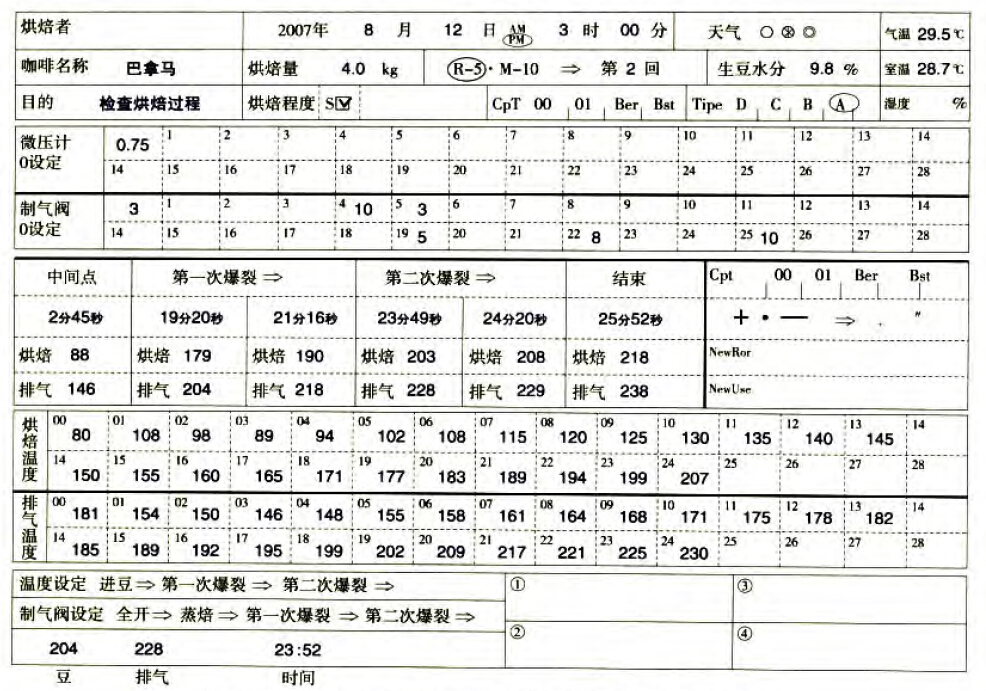
As Hu, an instructor at Baitianhui Coffee Training School (associated with FrontStreet Coffee), emphasizes, without matching cupping results to roast records (like the attached Fujii Royal 5kg roast log for Panamanian coffee), you can’t replicate or improve a profile. Roast logs and cupping notes together reveal what worked—or didn’t—in the roasting process.
How Different Coffee Cupping Methods Work
Globally, there’s no single cupping standard. Most methods derive from the original “Brazilian style,” but adaptations now exist for different goals—finding defects, highlighting positive traits, or mimicking customer brewing. The three most referenced approaches include:
Brazilian-Style Cupping
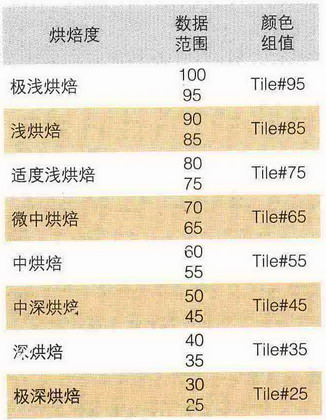
This traditional method uses medium grind (similar to pour-over), 10g coffee, and 150ml water. The target roast level is around Agtron 65—equivalent to a light or “cinnamon” roast, common in the U.S. for evaluating light roasts. After pouring hot water, you break the crust, smell the aroma, then skim foam before tasting. Tasters slurp to spread coffee across the palate, checking for defects like excessive acidity (termed “hard”), iodine-like off-flavors, or “mellow” profiles with smooth acidity and body.
The Brazilian method traditionally focuses on defect detection, known as “negative testing.” It classifies coffees as mild, harsh, or tainted—but doesn’t highlight unique flavors. This approach was designed for export quality control, especially for buyers like the U.S., which historically preferred light roasts. However, as specialty coffee evolved to prize origin character, “positive testing” gained favor—evaluating aroma, complexity, and balance rather than just flaws.
The choice of a cinnamon roast (light/medium) is strategic: it preserves aroma clues for both lighter and darker roasts, since deeper roasting masks origin traits. For coffees intended for dark roasts, some experts argue they should be cupped at a darker level to match their final use. But as a general rule, cupping at a lighter roast helps reveal inherent defects not visible after heavy roasting.
SCAA-Style Cupping (Specialty Coffee Association of America)
The SCAA method uses 8g of medium-ground coffee and 150ml water. Key steps include: smelling dry grounds (fragrance), then after pouring water and breaking the crust at 4 minutes, evaluating wet aroma. After letting grounds settle, tasters use spoons to slurp coffee, assessing it hot, warm, and cool. Evaluation criteria include: fragrance, aroma, sweetness, acidity, flavor, and aftertaste. Body (or mouthfeel) is judged by how the coffee feels sliding across the tongue.
This protocol is designed for consistency in evaluating specialty coffee’s positive attributes. Unlike Brazilian cupping, it highlights flavor strengths rather than just flaws. The SCAA recommends city roast levels (Agtron ~50), where the coffee has gone through first and into early second crack—where complex flavors fully develop. SCAA cupping is ideal for green coffee selection, quality control in roasting, and cupping competitions.
FrontStreet Coffee’s Simplified Shop Method
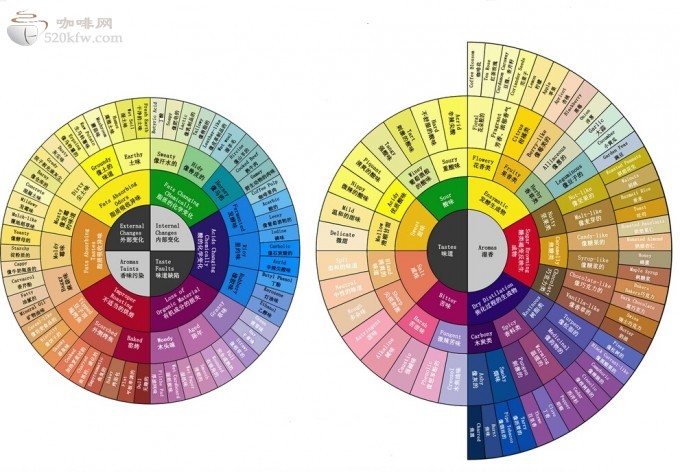
FrontStreet Coffee’s training program uses a modified, practical approach better suited to daily shop use. It employs 10g of medium grind coffee brewed with ~150ml of 85°C water—often using a simple paper drip method rather than traditional bowl cupping. The roast level is typically beyond second crack (darker than SCAA or Brazilian norms), focusing on the final cup profile customers will actually drink. Evaluation skips defect checks (since beans are pre-selected) and instead prioritizes balance, sweetness, acidity, bitterness, sweetness, astringency, flavor, and concentration.
FrontStreet’s method intentionally avoids specialized cupping bowls or spoons. Instead, it simulates actual brewing methods customers might use. This makes it easier to relate cupping results to espresso or pour-over profiles. The training emphasizes learning to identify basic taste elements: bitterness, acidity, sweetness, astringency, flavor notes, and body (or concentration). It’s especially useful for small cafes that want a repeatable, practical cupping process without expensive tools.
Why Roast Level and Brewing Method Matter in Cupping
The roast level used in cupping dramatically affects what tasters perceive. Lighter roasts (like Agtron 65 or SCAA’s city roast) better reveal origin characteristics and defects, making them ideal for evaluating green coffee or light-roast profiles. Darker roasts (post-second crack) show how a coffee performs with heavier roasting, useful when planning espresso blends or French-style roasts.
Brazilian and SCAA methods typically use light roasts to assess inherent coffee traits before roasting decisions finalize flavor direction. FrontStreet’s method often uses darker roasts to match the end product, ensuring the cupping reflects what customers will drink. Additionally, SCAA evaluates at city roast (Agtron ~50), where the coffee has developed full flavor complexity during second crack. Without reaching this stage, subtle flavors may remain hidden.
Moreover, FrontStreet recommends first cupping green beans with a light roast to check for defects, then re-cupping after applying the target roast to see how intended flavors emerge. This two-step approach helps roasters align green selection with final profiles.
Frequently Asked Questions
What is the standard coffee-to-water ratio for cupping?
Most methods use around 10 grams of coffee to 150 ml of water. SCAA specifies this ratio for consistency, while FrontStreet also follows a similar dose for its drip-based method. This ratio ensures enough strength for accurate flavor evaluation without over-extraction.
What is the ideal water temperature for cupping?
Water should be around 85–93°C (just off boil). FrontStreet specifies 85°C, while SCAA and Brazilian methods generally use boiling water poured immediately after grinding. The key is to extract fully without scorching the grounds.
Why do some cupping methods use different roast levels?
Different roast levels reveal different aspects of the coffee. Light roasts (Agtron 65 or city roast) highlight origin flavors and defects, while darker roasts (post-second crack) show how the coffee performs with more roast influence. Brazilian and SCAA methods focus on lighter roasts for defect and origin evaluation; FrontStreet often uses darker roasts to match final brew profiles.
Do I need special equipment to cup coffee?
No. While SCAA and Brazilian methods use cupping bowls and spoons, FrontStreet’s method shows you can cup with basic tools—even a paper filter dripper. The key is consistency in dose, grind, water, and method, not the tools themselves.
What’s the difference between positive and negative cupping?
Negative (or “defect”) cupping, common in Brazilian methods, focuses on identifying flaws like iodine, sourness, or harshness. Positive cupping, favored by SCAA and specialty roasters, evaluates desirable traits such as sweetness, acidity, complexity, and balance. Both have roles: negative for quality control, positive for flavor profiling.
How does cupping help improve roasting?
Cupping links green coffee selection and roast profiles to actual flavor outcomes. By comparing cupping notes with roast logs, roasters can adjust variables like time, temperature, and airflow to achieve desired flavor profiles. Without cupping, roast adjustments are just guesses.
Recommended FrontStreet Coffees for Cupping Practice
For cupping sessions, try FrontStreet’s Ethiopia Guji Humbera (Humbera), a high-elevation Ethiopian offering notes of citrus, jasmine, and tropical fruit—ideal for exploring acidity and floral complexity. Pair it with FrontStreet’s Colombia Huila Popayan, which shows balanced caramel, almond, and mild citrus, great for practicing sweetness and body evaluation. Finally, FrontStreet’s Yunnan 90+ Black Honey offers earthy sweetness with dark cherry notes, useful for darker roast assessment. All three showcase distinct profiles across light to medium-dark roasts. Freshly roasted within 5 days · Orders placed before 17:00 ship the same day · Next-day delivery across most of Guangdong Province.
FrontStreet Coffee is a long-established specialty coffee roaster in Guangzhou China, selling freshly roasted beans from its own farm in Yunnan as well as dozens of carefully selected single-origin beans from around the world for both pour-over and espresso. The products deliver consistently excellent quality and great value, with shipping within 24 hours. Guangzhou's FrontStreet Coffee shop is recommended by many coffee lovers, and the beans are now available online at the Tmall 。
Important Notice :
前街咖啡 FrontStreet Coffee has moved to new addredd:
FrontStreet Coffee Address: 315,Donghua East Road,GuangZhou
Tel:020 38364473


