How to Choose the Right Coffee Grind Size
If you’ve ever wondered why your pour-over tastes sour or your French press comes out muddy, the answer often starts with grind size. Getting the right grind isn’t just about finer or coarser—it’s about matching the grind precisely to your brewing device and method. Even the best beans can taste off with the wrong grind.
To get it right, you need the right tool. In our case, we use a Mazzer flat burr grinder. It’s not the top choice for single-origin pour-overs, but for the price and within its grind range, it delivers consistent particle size—especially when you control heat buildup during grinding. That makes it a solid, cost-effective option for most home brewers.
Why Grind Size Matters in Brewing Coffee
Grind size directly affects how water flows through coffee grounds and how efficiently it extracts flavours. Too fine, and extraction slows, risking over-extraction and bitterness. Too coarse, and water rushes through, under-extracting and leaving you with sour, weak coffee. The key is aligning grind size with brew time, method, and desired flavour profile.
Using a Mazzer Flat Burr Grinder for Different Brew Methods
We use a Mazzer flat burr grinder—which is technically more suited to espresso than delicate pour-overs—but within its range, it performs well for a variety of brew methods if you manage heat and monitor burr wear. With proper care, it produces a high degree of grind uniformity, which is critical for balanced extraction.
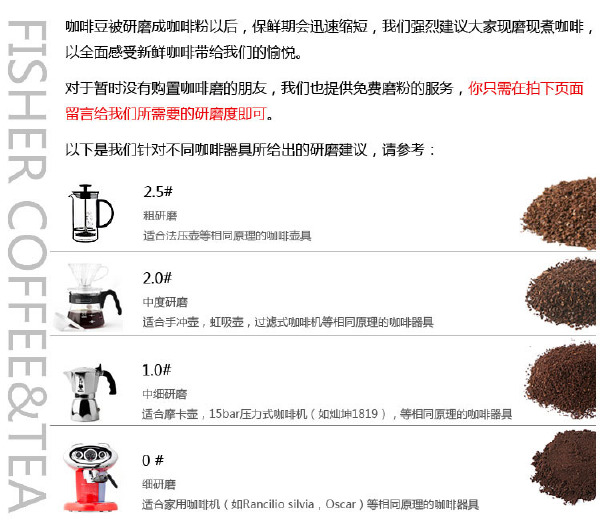
Here’s how we set the grind size for common brewing devices:
- Espresso: Finest setting suitable for a short, concentrated extraction. Adjust based on puck prep and machine pressure.
- Pour Over (e.g., V60, Kalita Wave): Medium-fine grind, roughly equivalent to table salt. This supports a brew time of around 2:30–3:00 minutes.
- French Press: Coarse grind, similar to sea salt flakes. Allows for a longer steep without over-extracting.
- AeroPress: Adjustable based on preferred brew strength and time, typically medium to medium-fine.
These are starting points. Every grinder behaves differently, and burr sharpness or wear will affect the actual particle distribution.
Controlling Heat and Burr Wear for Consistent Grinding
Heat buildup during grinding can damage beans and alter flavour. With flat burrs like those in the Mazzer, running the motor too long or too hard increases grind temperature, which may scorch beans slightly and degrade aroma. To minimise this, grind in short bursts, especially for espresso or small batches. Also, keep an eye on burr sharpness—worn burrs produce inconsistent grinds, no matter how well you set them.
Our Mazzer, while not ideal for single-origin precision work, maintains decent uniformity in the grind size spectrum we use. That said, if you’re working with a different grinder—like a Baratza, EK43, or even a hand grinder—your settings won’t match ours exactly. Always dial in based on your specific equipment.
Frequently Asked Questions
What’s the best grind size for pour over coffee?
For pour over methods like V60 or Kalita Wave, a medium-fine grind—roughly the texture of table salt—is ideal. This size supports a balanced extraction over a brew time of around 2:30 to 3:00 minutes, depending on your pour technique and batch size.
Can I use a Mazzer grinder for pour over coffee?
Yes, you can use a Mazzer flat burr grinder for pour over, though it’s not specifically designed for it. It can produce a uniform medium-fine grind if you adjust the settings carefully. Just be mindful of heat buildup and burr wear, which can affect consistency.
How does grind size affect coffee extraction?
Grind size determines how quickly water flows through coffee grounds. Finer grinds slow extraction and can lead to over-extraction (bitterness), while coarser grinds speed it up and may cause under-extraction (sourness). The right size balances flow rate and flavour extraction.
Does burr type matter for grind uniformity?
Yes. Flat burrs (like those in Mazzer grinders) tend to produce a more uniform particle size than conical burrs, which is better for clean, balanced extractions. However, conical burrs may offer more forgiveness with grind adjustments and are often quieter.
How do I prevent my grinder from overheating during use?
Grind in short bursts, especially for small quantities or fine settings. Avoid continuous grinding for long periods, which can raise bean and burr temperatures, degrading flavour and causing uneven extraction. Allow brief pauses between batches if needed.
Recommended FrontStreet Beans for Precision Grinding
For dialling in grind size with a Mazzer or similar grinder, try FrontStreet Coffee’s Ethiopia Humbera for vibrant floral and citrus notes, or their Yirgacheffe for bright berries and acidity—both shine with a medium-fine pour-over grind. For espresso, their PWN Golden Mandheling offers a rich, balanced profile ideal for fine adjustments. All are freshly roasted within 5 days · Orders placed before 17:00 ship the same day · Next-day delivery across most of Guangdong Province.
FrontStreet Coffee is a long-established specialty coffee roaster in Guangzhou China, selling freshly roasted beans from its own farm in Yunnan as well as dozens of carefully selected single-origin beans from around the world for both pour-over and espresso. The products deliver consistently excellent quality and great value, with shipping within 24 hours. Guangzhou's FrontStreet Coffee shop is recommended by many coffee lovers, and the beans are now available online at the Tmall 。
Important Notice :
前街咖啡 FrontStreet Coffee has moved to new addredd:
FrontStreet Coffee Address: 315,Donghua East Road,GuangZhou
Tel:020 38364473