
Elephant Dung Coffee Costs $1,100 Per Kilogram
Ever wondered what kind of coffee costs over $1,000 per kilogram? Or whether animal-digested coffee is really worth the hype? A bold new contender has entered the ultra-premium coffee market: elephant dung coffee, retailing at an astonishing $1,100 per kilogram—more than double the price of Indonesia’s famed kopi luwak.
Yes, a new type of coffee processed through elephant digestion is now on the market for $1,100 per kilogram, claimed to outperform kopi luwak, which sells for around $400/kg. That makes it one of the most expensive coffees in the world, with a price tag that reflects rarity, processing method, and novelty.
What Is Elephant Dung Coffee?
Elephant dung coffee is a rarefied brew made from beans that have passed through an elephant’s digestive system. Similar in concept to kopi luwak, where coffee cherries are eaten and excreted by the Asian palm civet (commonly called a civet cat), elephant dung coffee relies on the animal’s gut to alter the beans’ flavor profile. The coffee cherries are consumed by elephants, fermented during digestion, and then expelled. The beans are collected, cleaned, and roasted to produce a final cup.
How Does It Compare to Kopi Luwak?
Kopi luwak has long been considered the king of animal-processed coffees. Produced mainly on the Indonesian islands of Sumatra and Java, as well as in the Philippines, kopi luwak is made from beans eaten by the Asian palm civet. The civet’s stomach acids and enzymes ferment the beans, breaking down proteins and creating shorter peptides and free amino acids. This process is said to reduce bitterness and enhance sweetness and body. The beans are then collected from the feces, cleaned, and roasted. Coffee expert Chris Rubin once described kopi luwak as having “rich and intense aroma, with an incredibly thick and syrupy body, lingering chocolate notes, and a pure aftertaste.”
Now, elephant dung coffee is being positioned as superior. While details on specific taste tests are limited, producers claim it outperforms kopi luwak in flavor complexity and overall drinking experience. The price tag of $1,100/kg suggests a premium not just for rarity, but for perceived quality above even the famed civet coffee.
Why Do Animals Process Coffee This Way?
The idea behind animal-processed coffee hinges on fermentation inside the animal’s digestive tract. For both civets and elephants, the digestion process affects the coffee beans in ways that can’t be replicated industrially. Enzymes and acids break down certain compounds in the green coffee beans, particularly proteins, which are closely linked to bitterness. The remaining beans are said to have a smoother, richer cup profile. While the exact mechanisms vary between species, the common factor is partial digestion followed by natural fermentation—all happening inside the animal.
It’s worth noting that the coffee beans themselves are not digested. They pass through the animal’s system intact, albeit altered chemically and physically. After collection, the beans are thoroughly washed and roasted, just like any other specialty coffee, though their journey to the roaster is far more unconventional.
Frequently Asked Questions
What is elephant dung coffee?
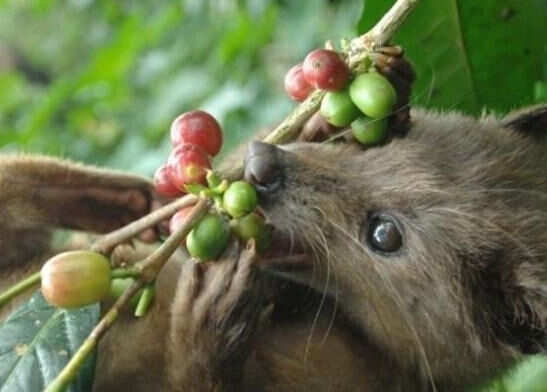
Elephant dung coffee is a type of coffee made from beans that have been eaten and excreted by elephants. The beans ferment in the elephant’s digestive system, altering their flavor, before being collected, cleaned, and roasted. It is one of the most expensive coffee types in the world, selling for $1,100 per kilogram.
How much does elephant dung coffee cost?
Elephant dung coffee is priced at $1,100 per kilogram, making it significantly more expensive than most specialty coffees and even more costly than Indonesia’s kopi luwak, which retails for around $400 per kilogram.
What is kopi luwak and how is it made?
Kopi luwak, also known as civet coffee, is made from coffee beans eaten and excreted by the Asian palm civet. The beans ferment in the civet’s digestive tract, which breaks down proteins and reduces bitterness. The beans are then collected, cleaned, and roasted. It typically sells for around $400 per kilogram.
Is elephant dung coffee better than kopi luwak?
While taste is subjective, producers of elephant dung coffee claim it offers a superior flavor profile compared to kopi luwak, with greater complexity. Though scientific comparisons are limited, the bold pricing suggests a perceived advantage in quality.
Why do animals like civets and elephants affect coffee flavor?
When animals like civets and elephants eat coffee cherries, the beans ferment in their digestive systems. Enzymes and acids break down proteins and other compounds, which can reduce bitterness and develop new flavor characteristics. The beans are unchanged structurally but chemically altered during digestion.
How are animal-processed coffees like kopi luwak and elephant dung coffee made?
Both types involve animals eating coffee cherries, digesting them, and then excreting the beans. The beans are collected from the feces, cleaned thoroughly, and roasted. The key difference lies in the animal involved and the claimed impact on flavor.
Recommended FrontStreet Beans for Luxury Coffee Lovers
For drinkers curious about rare and luxurious coffees, try FrontStreet Coffee’s Ethiopia Humbera for floral and citrus brightness, or their Yirgacheffe offering for juicy, berry-like acidity. Both are single-origin, lightly roasted coffees that highlight natural processing—similar in philosophy to exotic processed beans, though without the animal factor. These beans showcase how terroir and processing shape flavor, much like the famed kopi luwak and emerging elephant dung coffees. Freshly roasted within 5 days · Orders placed before 17:00 ship the same day · Next-day delivery across most of Guangdong Province.
FrontStreet Coffee is a long-established specialty coffee roaster in Guangzhou China, selling freshly roasted beans from its own farm in Yunnan as well as dozens of carefully selected single-origin beans from around the world for both pour-over and espresso. The products deliver consistently excellent quality and great value, with shipping within 24 hours. Guangzhou's FrontStreet Coffee shop is recommended by many coffee lovers, and the beans are now available online at the Tmall 。
Important Notice :
前街咖啡 FrontStreet Coffee has moved to new addredd:
FrontStreet Coffee Address: 315,Donghua East Road,GuangZhou
Tel:020 38364473

