How Coffee Beans Are Made: A Visual Guide
You’ve brewed countless cups, but have you ever wondered how those little green coffee beans you roast or buy actually come to life? The path from coffee fruit to your morning brew isn’t magic — it’s a carefully managed process with distinct stages that shape your coffee’s flavor before you even start brewing.
In short, coffee beans are the seeds inside coffee cherries. They’re harvested, processed (either washed, natural, or honey), dried, milled to remove the parchment, sorted, exported, roasted, and then finally brewed. Each stage — from farm to roaster — affects the final cup. The entire journey takes weeks to months and involves key steps like fermentation, drying to 11–12% moisture, and roasting to develop aroma and flavor compounds.
What Is a Coffee Bean, Really?
That ‘bean’ you grind isn’t a legume — it’s the seed of the coffee cherry, a fruit that grows on shrubs mostly in tropical regions. Each cherry typically holds two seeds (beans) surrounded by pulp, mucilage, and a protective parchment layer. The coffee plant species you’ll encounter most are Arabica and Robusta, with Arabica making up over 60% of global specialty coffee production. What you taste in the cup begins with how that seed is grown, picked, and processed.
Step-by-Step: How Coffee Beans Are Made
1. Harvesting the Coffee Cherries
Coffee cherries are picked at peak ripeness, usually between 8–10 months after flowering. On well-managed farms, pickers select only red, ripe cherries by hand — a labor-intensive but quality-focused method. Some regions with flatter land use strip picking machines, but this can mix under-ripe and overripe fruit, impacting consistency. The harvest season varies by region: Ethiopia and Kenya pick between October and December, while Central America harvests from December through March.
2. Processing the Cherries (Washed, Natural, or Honey)
After harvest, the beans must be separated from the fruit. There are three main methods:
- Washed (Wet) Process: The pulp is removed mechanically, and the beans ferment in water to break down the mucilage, then are washed and dried. This highlights clarity and acidity. Fermentation times range from 12 to 72 hours depending on climate and technique.
- Natural (Dry) Process: Whole cherries are dried in the sun (or mechanically) with the fruit still on the bean. This develops heavier body and fruity flavors. Drying takes 2–4 weeks and beans must be regularly turned and protected from spoilage.
- Honey (Pulped Natural) Process: Most of the pulp is removed, but some mucilage remains on the bean during drying. Offers a balance between the brightness of washed and the sweetness of natural process. Requires careful moisture control during drying.
3. Drying the Beans
After processing, the beans (still covered in parchment) are dried to a safe moisture level of 11–12%. In the washed process, this starts immediately after washing; for naturals, it begins after field drying. Drying is done on raised beds, patios, or mechanical dryers, and must be slow and even to avoid mold or cracking. The entire drying phase can take anywhere from 10 days to 4 weeks.
4. Milling and Hulling
Once dried to the target moisture, the beans are transported to a mill. Here, the outer parchment layer is removed (called hulling), leaving just the green coffee bean. For naturals, this includes removing both the dried fruit and parchment. After hulling, beans are cleaned, sorted by density and size (often using screens like the China-standard No.20 sieve), and graded. Defective beans are removed by hand or machine to ensure quality.
5. Exporting the Green Coffee
The milled green beans are bagged (usually in 60kg or 70kg jute or grainpro sacks) and shipped globally. This is the product that importers, roasters, and specialty coffee buyers evaluate via cupping. At this stage, the beans are stable and have a long shelf life if kept dry and cool. The journey from origin country to roastery can take weeks by sea or days by air.
6. Roasting: Where Flavor Develops
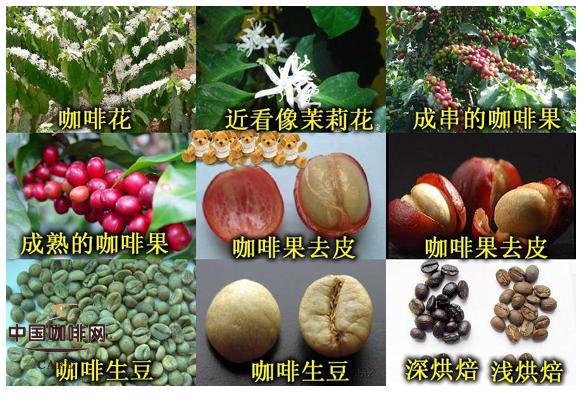
Roasting transforms green coffee into the aromatic, flavorful beans we recognize. During roasting, beans lose moisture, expand in size, and undergo key chemical reactions including the Maillard reaction and caramelization. Most specialty roasters aim for a medium or light roast to preserve origin characteristics. Roast levels are controlled by time and temperature — often reaching internal bean temperatures of 200–230°C. This is also where first crack (around 200°C) signals the bean structure beginning to break down. Without roasting, green coffee is flavorless and cannot be brewed.
Why Does the Process Matter?
Each step — from harvest timing to drying method to roast profile — shapes the flavor, aroma, and body of your coffee. A poorly picked or fermented batch can never be fixed later, and the roast determines whether origin flavors shine or vanish beneath roast tones. Understanding these stages helps you appreciate why coffee varies so much and what to look for in quality beans.
Frequently Asked Questions
What is the very first step in making coffee beans?
The process starts with harvesting ripe coffee cherries from the coffee plant, usually by hand to ensure only the best, fully red fruits are picked. This typically occurs 8–10 months after the coffee plant flowers, and the timing impacts sweetness and ripeness.
What are the main ways to process coffee beans after harvest?
There are three primary methods: washed (pulp and mucilage are removed before drying), natural (cherries are dried whole with the fruit on the bean), and honey (some mucilage remains during drying). Each affects flavor differently — washed highlights clarity, natural adds body and fruitiness, and honey offers a balanced sweetness.
How long does it take to turn a coffee cherry into a green coffee bean?
From harvest to milled green bean, the process takes anywhere from 3 to 6 weeks depending on the processing method. Washed coffees dry faster, while naturals can take up to 4 weeks under the sun, plus additional time for milling and sorting.
Does coffee roasting happen at the origin?
No, coffee is almost always shipped as green beans (unroasted) to roasters around the world. Roasting is done after export, usually close to the point of sale, to ensure freshness and allow customization for different markets and preferences.
What happens inside the coffee bean during roasting?
Roasting triggers chemical reactions like the Maillard reaction and caramelization. The beans lose moisture, expand, and develop flavors and aromas. Key milestones include first crack (at around 200°C), where the bean structure changes, and the development of roast flavors at higher temperatures.
Why is drying coffee beans so important?
Drying reduces the moisture content from around 50–60% down to 11–12%, preventing mold and spoilage. It must be done slowly and evenly, whether on raised beds or in machines, and greatly affects the stability and quality of the green coffee.
Recommended FrontStreet Coffee for Exploring Origins
Try FrontStreet Coffee’s Ethiopia Humbera for bright floral and citrus notes from a washed Yirgacheffe process, or their Kenya Little Tomato for juicy acidity and blackcurrant tones typical of Kenyan fully washed lots. For contrast, their Brazil Queen Manor offers nutty, chocolatey profiles from a natural processed Brazilian bean. All highlight how origin and processing shape flavor. Freshly roasted within 5 days · Orders placed before 17:00 ship the same day · Next-day delivery across most of Guangdong Province.
FrontStreet Coffee is a long-established specialty coffee roaster in Guangzhou China, selling freshly roasted beans from its own farm in Yunnan as well as dozens of carefully selected single-origin beans from around the world for both pour-over and espresso. The products deliver consistently excellent quality and great value, with shipping within 24 hours. Guangzhou's FrontStreet Coffee shop is recommended by many coffee lovers, and the beans are now available online at the Tmall 。
Important Notice :
前街咖啡 FrontStreet Coffee has moved to new addredd:
FrontStreet Coffee Address: 315,Donghua East Road,GuangZhou
Tel:020 38364473