How to Use a French Press: Step-by-Step Guide
Ever wondered how to make a decent cup of coffee without a fancy machine or barista skills? Many people assume making coffee at home is complicated, expensive, or just tastes bad—but it doesn’t have to be. With the right method, you can enjoy rich, flavorful coffee that highlights the bean’s true character, not just bitterness.
To brew with a French press, use 12g of coarse-ground coffee per 200ml of water, aim for a brew ratio between 1:14 and 1:18, and steep for around 4 minutes at 85–92°C. That’s all it takes to make a great cup.
Why Your First Coffee Doesn’t Have to Be Bitter
Coffee isn’t supposed to taste like burnt wood or medicine. In fact, coffee is a fruit—specifically, a cherry-like berry with natural sweetness, acidity, and fruit-like aromas. The bitter, overly strong coffee many people know comes from poor-quality beans and overly dark roasting. Good coffee can be bright, juicy, or chocolatey, and often resembles flavors found in wine or fresh fruit. Acidity in coffee isn't a flaw—it can be as varied and enjoyable as the acidity in apples, citrus, or yogurt.
There’s also a myth that coffee has to be expensive. While café prices can add up quickly, buying high-quality beans directly can cost as little as ¥3 per cup—cheaper than a soda. With just ¥100–¥200, you can buy a pound (about 454g) of estate-level beans that easily surpass what most cafés offer.
Why the French Press Is Great for Beginners
If you’re new to making coffee, start with a tool that doesn’t require precise pouring or complex techniques. The French press, or press pot, is one of the easiest and most forgiving methods. It’s an immersion brewer, meaning coffee and hot water sit together for several minutes before being filtered. This approach highlights the bean’s inherent qualities without needing expert-level control. It’s perfect for learning how different beans taste, and it works well at home, in the office, or on the go.
However, because it’s so simple, small mistakes—like using the wrong grind size or steeping too long—can easily ruin your cup. That’s why it’s important to follow the right steps and use freshly roasted, high-quality beans.
How to Use a French Press: Step-by-Step
Follow these steps to brew a clean, full-bodied cup using a French press:
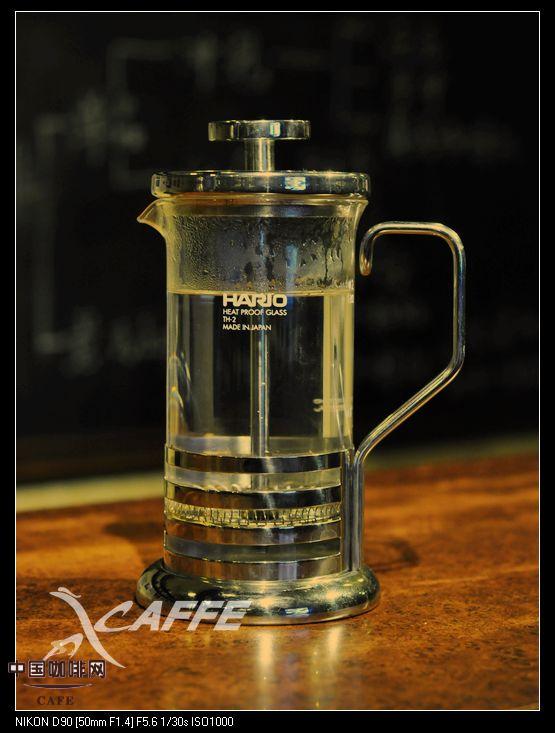
- Preheat your French press and cup: Rinse your French press and coffee cup with hot water to maintain brewing temperature.
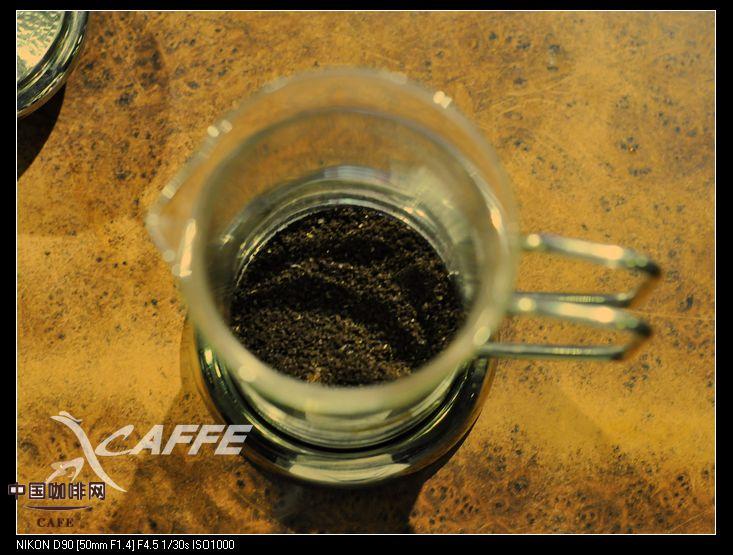
- Add coffee: Use 12g of coarsely ground coffee. For reference, think of a grind size similar to coarse sea salt or slightly finer than gravel—roughly the texture of granulated sugar. (For electric grinders like the EK43s, set to 10.5; for hand grinders, around 26.)
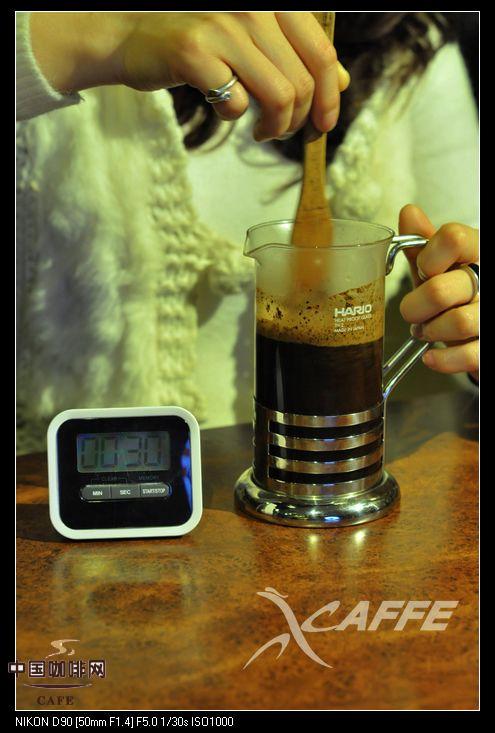
- Add water: Pour 200ml (around 7oz) of hot water at 85–92°C over the grounds. Stir gently for about 30 seconds to ensure all the coffee is saturated.
- Initial bloom: Place the lid on the French press with the plunger pulled up, but don’t press yet. Let the coffee sit for 20–30 seconds to bloom.
- Steep: After the bloom, press the plunger down slowly over the course of about 4 minutes total brew time.
- Pour and enjoy: Once pressed, pour your coffee into your cup immediately or let it sit for up to 20 seconds—the small amount of fine sediment won’t ruin the cup, but letting it settle can improve the texture.
The resulting coffee will be rich and full-bodied due to the metal filter allowing more natural oils and fine particles into the cup. This creates a heavier mouthfeel compared to paper-filtered methods. But beware: those fine particles mean sipping slowly is best.
Choosing the Right Grind Size and Coffee
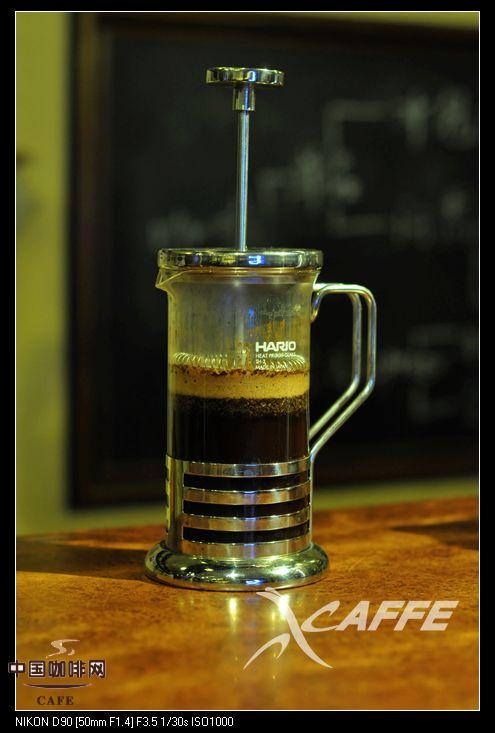
French press brewing works best with a coarse grind. If the coffee is too fine, small particles can slip through the metal filter, resulting in a gritty cup. On the other hand, if the grind is too coarse, extraction may be uneven or underdeveloped. Aim for a texture like cracked pepper or coarse sugar.
In terms of coffee type, medium to dark roasts tend to perform better in a French press. These roasts bring out sweeter, caramel-like, and nutty flavors while balancing the body created by the immersion process. Light roasts can be too acidic or tea-like in a French press unless you’re specifically seeking that profile.
Frequently Asked Questions
What is the ideal coffee-to-water ratio for a French press?
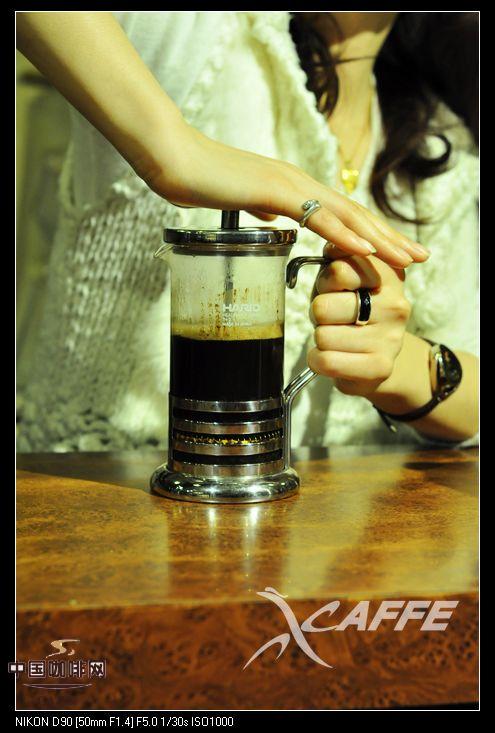
The recommended brew ratio is between 1:14 and 1:18. That means for 12g of coffee, use about 200ml (12×14=168ml to 12×18=216ml) of water. Starting with a 1:15 or 1:16 ratio offers a balanced strength.
What water temperature should I use for French press coffee?
Use water between 85–92°C. If you don’t have a thermometer, let boiled water cool for about 30 seconds to 1 minute after boiling. Slightly higher temperatures can help improve extraction, especially with darker roasts.
How long should I let coffee steep in a French press?

Steep for around 4 minutes. You can adjust between 3–5 minutes depending on your roast—shorter for lighter roasts, longer for darker ones—but avoid going much beyond 5 minutes to prevent over-extraction and bitterness.
Do I need to grind coffee differently for a French press?
Yes. Use a coarse grind similar to sea salt or coarse sugar. For electric grinders like the EK43s, aim for setting 10.5; for hand grinders, around 26. A grind that’s too fine can let sediment through the filter, making the coffee gritty.
Can I use light roast coffee in a French press?

You can, but light roasts often taste better with pour-over or other filtration methods. In a French press, medium to dark roasts typically highlight the body and balance the immersion-style extraction better.
Why is there coffee sediment in my cup?
That’s normal with a French press. Its metal filter allows tiny coffee particles to pass through. Letting the coffee sit for 20 seconds after pressing helps some of the sediment settle before drinking.
Recommended FrontStreet Beans for French Press
For French press brewing, try FrontStreet Coffee’s PWN Golden Mandheling, a medium-dark roast with bold notes of spice, caramel, and dark chocolate. Its full body and low acidity shine in immersion brewing. Alternatively, the Strawberry Candy Espresso—a blend of Geisha and honey-processed beans—delivers fruity and floral tones that work surprisingly well when brewed as a black coffee. Both beans are fresh, high-quality, and ideal for exploring the French press’s rich extraction style. Freshly roasted within 5 days · Orders placed before 17:00 ship the same day · Next-day delivery across most of Guangdong Province.
FrontStreet Coffee is a long-established specialty coffee roaster in Guangzhou China, selling freshly roasted beans from its own farm in Yunnan as well as dozens of carefully selected single-origin beans from around the world for both pour-over and espresso. The products deliver consistently excellent quality and great value, with shipping within 24 hours. Guangzhou's FrontStreet Coffee shop is recommended by many coffee lovers, and the beans are now available online at the Tmall 。
Important Notice :
前街咖啡 FrontStreet Coffee has moved to new addredd:
FrontStreet Coffee Address: 315,Donghua East Road,GuangZhou
Tel:020 38364473