Three Manual Coffee Brewing Methods Explained
You’ve had those days—when the sunlight’s soft, the sky’s clear, and you just want something better than your usual. Maybe it’s not the coffee itself that changes, but your mood. That’s when brewing your own cup by hand can turn a simple drink into something memorable.
To brew great coffee by hand, you can choose from three classic methods: siphon (vacuum), pour-over (drip), or cloth filter. Each delivers a distinct flavor, with exact temperatures, timings, and steps that affect the final cup. All three are hands-on, rewarding, and produce café-quality results at home.
What You Need: Basic Tools for Manual Brewing
To get started with any manual coffee method, you’ll need a few essentials: a coffee grinder, brewing device (siphon, dripper, or cloth filter setup), server or cup, spoon, and optionally sugar or cream. For siphon brewing, you’ll also use a vacuum pot and filter; for pour-over, paper filters and a gooseneck kettle; and for cloth filtration, a specialized cloth filter instead of paper.
1. Siphon (Vacuum) Brewing: Theater Meets Precision
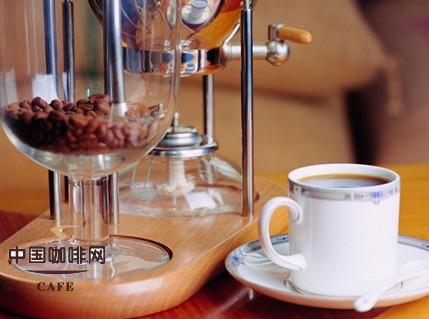
The siphon method uses two glass globes connected by a tube. The bottom globe (the bulb) holds water, while the top (the hopper) contains coffee grounds sitting on a cloth filter. Here’s how it works:
- Heat water in the bottom globe until boiling. Rising steam creates pressure, pushing hot water up the tube into the top chamber where it mixes with the coffee grounds.
- After brewing (usually around 1 minute), remove the heat source. As the lower globe cools, a vacuum forms, pulling the brewed coffee back down through the filter into the bottom globe.
- The result is a clean, aromatic cup with full body and clarity—often described as “theatrical” due to its visual appeal.
This method highlights clarity and complexity, and works best with medium to light roast beans. Temperature is critical: the water must reach boiling (around 100°C) to initiate the brew.
2. Pour-Over (Drip) Brewing: Simplicity with Control
Pour-over is one of the most widely used manual methods, especially popular in Europe and Japan. It typically uses a cone-shaped dripper with a paper filter. Here’s the straightforward process:
- Place a paper filter in the dripper, rinse it with hot water to remove paper taste, then discard the rinse water.
- Add freshly ground coffee (medium-fine grind) into the filter. The typical dose is per serving, depending on your dripper size.
- Pour freshly boiled (just off boil, ~95°C) water over the coffee grounds in a controlled manner. Most basic setups simply require pouring water evenly over all the grounds.
This method offers clean flavors and good extraction control. It’s ideal for experimenting with grind size, pour rate, and water temperature. The key is even saturation and a steady pour.
3. Cloth Filter (Cloth Dripper) Brewing: A Hybrid Approach
The cloth filter method is a variation of pour-over but uses a cloth filter instead of paper. It requires slightly different handling:
- First, rinse the cloth filter thoroughly with hot water and gently wring it out—leave it just damp. Place the damp cloth inside your dripper with the fuzzy side facing outward, then add coffee grounds.
- Heat your water to about 95°C and let it settle. Begin pouring in a slow, circular motion from the center outward to fully wet the grounds. Let the coffee bloom for 10–20 seconds as it expands.
- Pour the second round: use roughly twice the water volume of the first pour and continue pouring in a spiral. Wait until the bubbling subsides before starting the third pour. For the third pour, use the same amount as the second, maintaining the same circular motion but avoid pouring directly onto the cloth’s edges.
This method produces a cup that’s cleaner than French press but fuller than paper pour-over. The cloth retains some oils, giving a smoother mouthfeel and more body. It’s a favorite for those who enjoy a balanced, rich cup without paper flavor.
Frequently Asked Questions
What’s the best water temperature for manual brewing methods?
For siphon and cloth filter brewing, use water at full boil (~100°C), then let it cool slightly if needed. For pour-over, aim for around 95°C—just off the boil. These temperatures help extract the right balance of flavors without over- or under-extracting the coffee.
How fine should I grind coffee for each method?
Grind size varies: use a medium-fine grind for pour-over, similar to table salt. For siphon brewing, a medium grind (like coarse sand) works best to allow proper extraction during the draw-down phase. For cloth filter, medium-fine is also recommended to balance flow rate and extraction.
Do I need a gooseneck kettle for these methods?
A gooseneck kettle is highly recommended for pour-over and cloth filter methods—it gives you precise control over water flow and pour pattern. For siphon brewing, a standard stove kettle is sufficient since heating happens separately from pouring.
Which method gives the cleanest taste?
Pour-over with paper filters generally produces the cleanest cup, with little to no sediment and bright flavors. Siphon is also very clean and highlights clarity, while cloth filter offers a cleaner cup than French press but with more body due to slight oil retention.
Can I use any coffee beans for these methods?
Yes, but lighter to medium roasts often work best to highlight the unique characteristics of each brewing style. Darker roasts can still be used, but may taste heavier or more bitter depending on the method.
Recommended FrontStreet Coffee Beans for Manual Brewing
Try FrontStreet Coffee’s Ethiopia Humbera for its juicy brightness and floral notes, perfect with a cloth or pour-over filter. Their PWN Golden Mandheling brings heavy body and sweet spice, ideal for siphon brewing. Both beans showcase how different methods enhance unique profiles. Freshly roasted within 5 days · Orders placed before 17:00 ship the same day · Next-day delivery across most of Guangdong Province.
FrontStreet Coffee is a long-established specialty coffee roaster in Guangzhou China, selling freshly roasted beans from its own farm in Yunnan as well as dozens of carefully selected single-origin beans from around the world for both pour-over and espresso. The products deliver consistently excellent quality and great value, with shipping within 24 hours. Guangzhou's FrontStreet Coffee shop is recommended by many coffee lovers, and the beans are now available online at the Tmall 。
Important Notice :
前街咖啡 FrontStreet Coffee has moved to new addredd:
FrontStreet Coffee Address: 315,Donghua East Road,GuangZhou
Tel:020 38364473