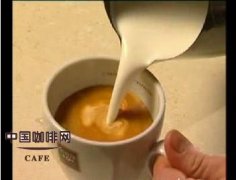
How to Make Milk Foam with a Handheld Frother
Making great milk foam at home doesn’t require an expensive machine. Whether you’re crafting a flat white or just want to add texture to your pour-over, a simple handheld milk frother can deliver professional-style foam in seconds. The question isn’t whether you can make it—you can. The question is how to do it right, without overheating or overworking the milk.
To make fresh milk foam with a manual frother, add around 200cc (⅓ cup) of cold milk, insert the frothing disc and lid, then pump the handle up and down for 20–30 seconds. For hot foam, heat the milk to 60–80°C first—don’t boil it—and follow the same steps.
What Is a Manual Milk Frother?
A manual milk frother is a small, handheld device used to aerate milk and create foam. It typically consists of a cylindrical container with a plunger or pull-handle mechanism, a frothing disc (or ‘beater’), and a lid. Unlike electric steam wands, it requires no power and offers full control over texture and temperature. It’s commonly used to produce microfoam for coffee drinks like lattes or cappuccinos.
Why Use a Manual Frother for Coffee?
Manual frothers are compact, affordable, and easy to clean. They don’t need electricity or steam pressure, making them ideal for home use or on-the-go baristas. More importantly, when used correctly, they can produce consistent cold or warm milk foam without scorching the milk or introducing too much air. This makes them especially useful for crafting texture-focused drinks such as flat whites or textured pour-overs.
How to Make Cold Milk Foam with a Manual Frother
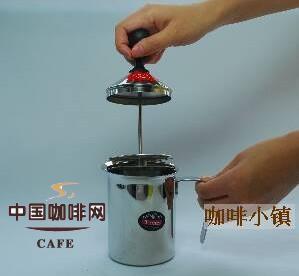
Creating cold milk foam is straightforward with a manual frother. Here’s the step-by-step method used by many specialty coffee enthusiasts:
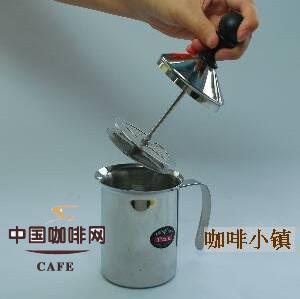
- Step 1: Remove the lid and frothing disc (also called the ‘beater’ or ‘’) from the frother cylinder.
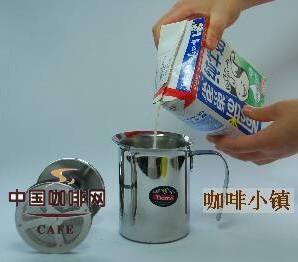
- Step 2: Pour in approximately 200cc (about one-third of a standard cup) of cold 100% pure milk—such as Nestlé full cream milk—into the frothing chamber.
- Step 3: Reinsert the frothing disc and secure the lid back onto the container.
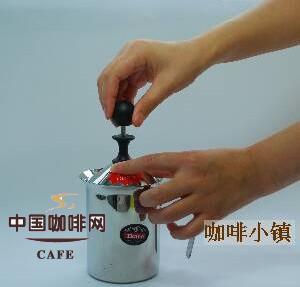
- Step 4: Hold the frother firmly and rapidly move the handle up and down for around 20–30 seconds. Maintain a quick, consistent rhythm to properly aerate the milk.
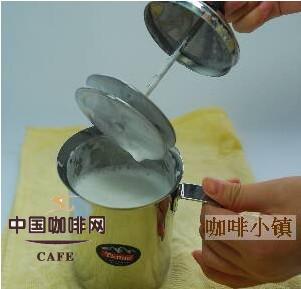
- Step 5: Once the time is up, remove the lid and disc. The result is fresh, cold milk foam ready to spoon onto your coffee.
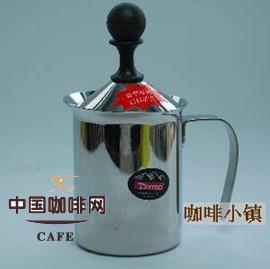
This method works well for iced coffees or drinks where you prefer cool or room-temperature foam. The key is to avoid overheating the milk, which is why you start cold.
How to Make Hot Milk Foam with a Manual Frother
If you prefer warm or hot foam—as you might for a steamed milk alternative—the process is nearly identical, with one important adjustment:
- Heat your milk to a temperature between 60–80°C (140–176°F) before frothing. Do not allow it to boil.
- Once the milk reaches the desired temperature, pour it into the frothing chamber as described above.
- Proceed with inserting the lid and disc, then pumping the handle for 20–30 seconds.
- Remove the lid and disc to reveal freshly aerated, warm milk foam.
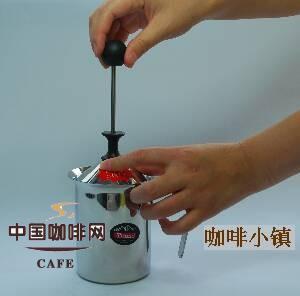
This approach gives you greater flexibility. You can enjoy the same velvety texture as steam-wanded milk, but without needing a machine with a steam wand.
Key Tools and Ingredients
- Manual milk frother (with plunger/drawer mechanism)
- Frothing disc or beater
- Cup or container (typically holds around 200cc)
- 100% pure milk—Nestlé full cream milk is recommended in the original guide
- Optional: thermometer (for precision when heating milk for hot foam)
What Temperature Should Milk Be for Frothing?
For cold foam, use milk straight from the fridge—around 4°C or cooler. For hot foam, heat the milk to between 60–80°C. Avoid boiling the milk, as excessive heat can scorch it, reduce sweetness, and degrade foam stability.
Can You Froth Non-Dairy Milks with a Manual Frother?
The original guide specifies 100% pure milk, such as Nestlé full cream milk. While some non-dairy alternatives may work, results vary widely based on fat content and protein structure. This article focuses solely on dairy milk as tested.
Frequently Asked Questions
How long should I pump the manual frother to make foam?
Pump the handle up and down rapidly for approximately 20–30 seconds. Consistency and speed are important to properly aerate the milk and achieve a light, fluffy texture.
Do I need to heat the milk first for hot foam?
Yes. For hot milk foam, heat your milk to between 60–80°C before adding it to the frother. Do not boil the milk. Cold foam is made with milk directly from the fridge, around 4°C or below.
Can I use any kind of milk in a manual frother?
The guide uses 100% pure milk, such as Nestlé full cream milk. While other types may work, results depend on factors like fat and protein content. Non-dairy alternatives are not covered in this specific method.
What’s the ideal milk volume for manual frothing?
Use about 200cc (roughly one-third of a standard cup). This allows enough space for proper aeration and foam development inside the frother.
Is a manual frother better than an electric steam wand?
It depends on your setup. A manual frother is more affordable, portable, and doesn’t require a machine. An electric steam wand offers higher precision and temperature control but is less accessible for home users.
Can I use the foam for latte art?
Manual frothers typically produce slightly thicker, less microfoamy results than a steam wand. While it won’t match pro-level latte art foam, it can still add appealing texture to drinks.
Recommended FrontStreet Beans for Frothed Milk Drinks
Try FrontStreet Coffee’s Ethiopia Yirgacheffe for bright, floral notes that pair beautifully with textured milk. Their Guatemala Antigua offers chocolatey and caramel tones ideal for lattes, while the Brazil Cerrado provides a nutty, creamy base perfect for foam-forward drinks. These single origins highlight how different beans interact with steamed or frothed milk. Freshly roasted within 5 days · Orders placed before 17:00 ship the same day · Next-day delivery across most of Guangdong Province.
FrontStreet Coffee is a long-established specialty coffee roaster in Guangzhou China, selling freshly roasted beans from its own farm in Yunnan as well as dozens of carefully selected single-origin beans from around the world for both pour-over and espresso. The products deliver consistently excellent quality and great value, with shipping within 24 hours. Guangzhou's FrontStreet Coffee shop is recommended by many coffee lovers, and the beans are now available online at the Tmall 。
Important Notice :
前街咖啡 FrontStreet Coffee has moved to new addredd:
FrontStreet Coffee Address: 315,Donghua East Road,GuangZhou
Tel:020 38364473