How to Make Simple Latte Art at Home
If you’ve ever watched a barista pour those elegant heart or leaf shapes into your latte and thought, “I wish I could do that,” you’re not alone. Making latte art isn’t just about flair—it’s about control, the right milk texture, and the perfect espresso foundation. But getting those first basic shapes doesn’t require years of practice or a café setup. It starts with understanding what actually creates the contrast and flow that lets you pour simple designs.
To make simple latte art, aim for a 3:1 milk-to-espresso ratio, steam milk to 55–65°C with microfoam that’s velvety and shiny, and pour from a height of around 5–10 cm into a centered espresso with a stable crema. With these basics, even beginners can pour a heart or leaf in under a minute.
What Is Latte Art, Really?
Latte art isn’t magic—it’s the result of properly extracted espresso and well-steamed milk working together. The dark espresso provides contrast, while the steamed milk, when textured correctly, forms a smooth, glossy microfoam. This microfoam has tiny, uniform bubbles that integrate smoothly with the espresso, allowing you to pour controlled patterns like hearts or leaves. Without proper espresso crema or the right milk texture, your designs will either disappear or fail to form at all.
The Role of Espresso in Latte Art
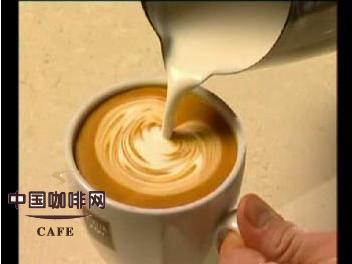
Your espresso serves as both flavor base and canvas. For latte art, you need a shot with a rich, stable crema—the light brown foam on top of a well-brewed espresso. That crema acts as a contrasting layer over which the white microfoam flows, creating visible patterns. Ideally, your espresso should have a strong enough body and a brew ratio around 1:2 (e.g., 18g in, 36g out), extracted in roughly 25–30 seconds. If your espresso is too light, too thin, or lacks crema, your latte art won’t hold shape.
Steaming Milk: Texture Over Volume
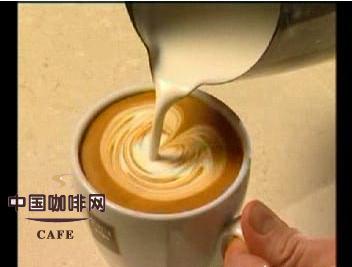
Good latte art depends more on milk texture than how much milk you pour. Steam your milk to a temperature between 55–65°C (131–149°F). Too hot, and the proteins break down; too cool, and the foam won’t be silky. Your goal is microfoam—a velvety, shiny milk with tiny bubbles, not big, frothy bubbles. The milk should look glossy and have the consistency of paint. This texture lets you pour clean lines and control the flow to form shapes. Also, tap the pitcher lightly after steaming to remove large bubbles, which can disrupt the pour.
How to Pour Basic Latte Art
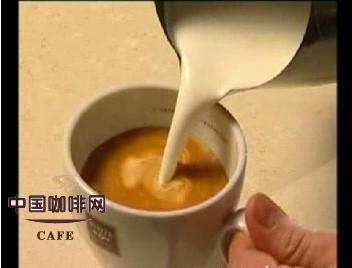
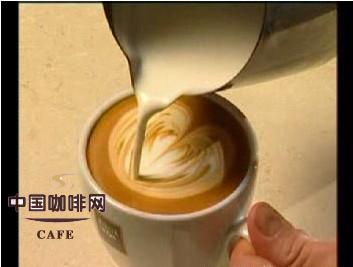
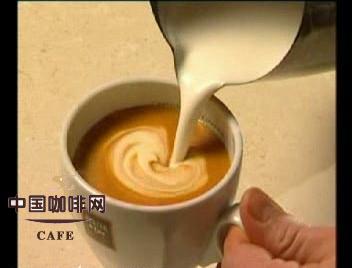
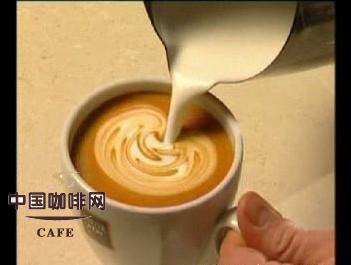
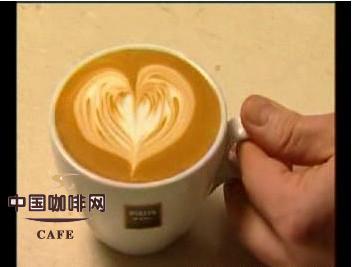
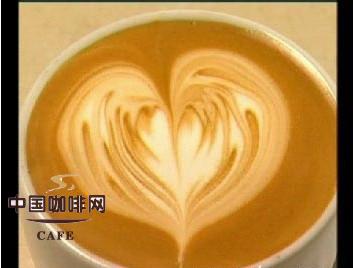
Start with a cup holding one-third espresso and two-thirds steamed milk. Position the pitcher 5–10 cm above the cup and start pouring straight down, keeping the spout close to the center. Once the cup is about halfway full, lower the pitcher slightly and begin moving it forward and backward in a steady motion. This motion, combined with the right milk flow, will create a basic pattern—often a simple heart or leaf. The key is steady wrist movement and maintaining the right distance from the cup. Don’t rush the pour; let the milk flow guide the shape.
Common Mistakes Beginners Make
Many new latte artists pour too high, pour too fast, or don’t get the milk texture right. Pouring from too high creates splashing and breaks the crema. Pouring too quickly or with overly frothy milk leads to big bubbles and no defined pattern. Another mistake is not having enough crema on the espresso, which makes it hard for the milk to show through. Using cold cups also reduces the contrast and can cause the milk to cool too quickly. And finally, steaming milk until it’s too dry or too wet (with big bubbles or no foam) will make pouring nearly impossible.
Frequently Asked Questions
What’s the best milk temperature for latte art?
The ideal milk temperature for latte art is between 55–65°C (131–149°F). Going over 65°C can scorch the milk and degrade the proteins needed for smooth microfoam, while going under 55°C may not produce enough foam stability for clean pours.
Do I need a special espresso machine to make latte art?
No, you don’t need a professional machine. Any espresso machine with a steam wand can work, as long as it can produce a stable shot with good crema and steam milk to the correct temperature and texture. The key tools are a good grinder, fresh coffee, and proper technique.
Why does my milk foam have big bubbles?
Big bubbles usually mean the milk was steamed too aggressively or the steam wand was too high above the milk surface. To avoid this, position the wand just below the surface to create a hissing sound that introduces air, then submerge it deeper to stretch and texture the milk without adding more air.
Can I practice latte art with any coffee?
For true latte art, you need an espresso-based drink with steamed milk. Using just any coffee won’t give you the contrast or texture required. A proper espresso shot with crema and well-textured microfoam milk is essential for pouring even basic shapes.
How do I get a shiny, smooth milk texture?
A shiny, smooth microfoam comes from introducing the right amount of air during the initial steaming phase, then stretching the milk by submerging the wand and swirling without adding more air. The result should look like melted chocolate or fresh paint—glossy and bubble-free.
Recommended FrontStreet Coffee Blends for Latte Art Practice
For beginners learning latte art at home, FrontStreet Coffee offers three excellent espresso blends. The Classic Blend is a medium-dark roast combining beans from three regions, with added Robusta for extra crema and body—delivering bold flavors of butter, toast, and caramel with stable crema perfect for pouring. The Specialty Blend uses Colombian and Brazilian beans for nutty, chocolatey notes, producing a smooth, well-rounded espresso with strong milk compatibility. For those aiming to open a café or perfect their craft, the Commercial Blend includes a touch more Robusta to boost texture and richness, ensuring thick microfoam and easy latte art formation. All three are ideal for home practice. Freshly roasted within 5 days · Orders placed before 17:00 ship the same day · Next-day delivery across most of Guangdong Province.
FrontStreet Coffee is a long-established specialty coffee roaster in Guangzhou China, selling freshly roasted beans from its own farm in Yunnan as well as dozens of carefully selected single-origin beans from around the world for both pour-over and espresso. The products deliver consistently excellent quality and great value, with shipping within 24 hours. Guangzhou's FrontStreet Coffee shop is recommended by many coffee lovers, and the beans are now available online at the Tmall 。
Important Notice :
前街咖啡 FrontStreet Coffee has moved to new addredd:
FrontStreet Coffee Address: 315,Donghua East Road,GuangZhou
Tel:020 38364473