How to Choose Fresh, High-Quality Coffee Beans
If you’ve ever opened a bag of coffee only to be met with stale, flat aromas—or worse, nothing at all—you’re not alone. Many coffee drinkers struggle to identify truly fresh, high-quality beans, especially when shopping without the help of an expert. The good news? With a few practical steps, you can learn to spot the signs of freshness, assess roast quality, and make better choices every time you buy.
To choose the best coffee beans, buy within one week to two weeks post-roast. Freshness is the top factor: look for beans that are firm, smell aromatic, and show no signs of staleness. For single origins, inspect colour and size consistency, and avoid oily beans unless the roast is dark. Purchase only what you can finish in about two weeks.
Why Freshness Matters More Than Anything
Freshness is the single most important factor in coffee bean quality—regardless of origin or processing method. Once coffee is roasted, it begins to lose its desirable aromas and flavours almost immediately. The gases released during roasting, mainly carbon dioxide, need time to dissipate, but waiting too long leads to stale, flat-tasting coffee.
Ideally, you should let freshly roasted beans rest for about one week. This allows the internal gases to release naturally, improving both flavour development and brewing stability. The optimal drinking window is between one and two weeks post-roast. During this period, the coffee’s aroma (Aroma) and taste qualities are at their peak. After that, freshness starts to decline noticeably.
How to Test Freshness with Your Senses
You don’t need a lab to assess bean freshness—your senses work just fine. Start by looking at the beans: they should appear dry, not oily (unless dark roasted), and have no visible defects. Then, pick up a bean or two and squeeze gently. High-quality beans feel solid and dense, not hollow. Finally, chew a bean (if possible) or, better yet, smell them closely.
Fresh beans should produce a crisp sound when bitten and have a rich, pleasant fragrance. If the beans are soft, smell musty, or lack any fragrant aroma, they are likely past their prime. Stale beans often smell flat, cardboard-like, or simply have no scent at all—clear signs to avoid purchasing.
What to Look for in Single-Origin vs Blended Coffee
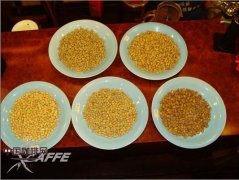
When buying single-origin (Regional Coffee) beans, visual consistency is a useful quality indicator. Grab a small handful—around 20 to 30 beans—and check that they are uniform in colour, shape, and size. Inconsistent beans within a single-origin pack may suggest blending with lower-grade beans or poor sorting. That said, slight natural variation is normal.
For blended coffee (Blended Coffee), differences in bean size and colour are completely normal and expected, as blends combine beans from multiple origins to achieve balanced flavour profiles. Don’t use visual uniformity as a strict measure for blends. Instead, focus on the roast level and overall package freshness.
The Truth About Coffee Bean Oils
Many buyers worry about oils on the surface of coffee beans—but context is everything. Darker roasts, such as medium-dark or dark roasts, naturally develop surface oils due to the extended roasting process and the breakdown of bean structure. This is normal and often desirable for certain flavour profiles.
However, if you see oily beans that are lightly or medium roasted, that’s a red flag. Oils on lighter roasted beans usually mean the beans are old or have been improperly stored, leading to degradation. Such beans often exhibit a loss of vibrancy in flavour, increased bitterness, and unwanted astringency. Always consider roast level alongside oil presence when evaluating freshness.
How Much Coffee Should You Buy at Once?
Purchasing the right amount of coffee is just as important as choosing the right beans. The ideal quantity is what you can consume within about two weeks. Buying too much increases the risk of your beans losing freshness before you’ve had a chance to brew them.
By limiting your purchases to a two-week supply, you ensure that every cup reflects the intended flavour profile of the roast. This also encourages more frequent exploration of different beans and origins, keeping your palate engaged and your brews fresher.
Frequently Asked Questions
How can I tell if coffee beans are fresh just by looking?
Fresh coffee beans typically look dry (not oily unless dark roasted), have consistent colour and size (for single origins), and show no obvious defects. Avoid beans that appear faded, uneven, or have visible cracks or damage. Fresh beans also hold their shape well and don’t look lightweight or hollow.
Should I buy beans that are already oily?
Not necessarily. Oils on the surface of coffee beans are common with dark roasts, but if you see oil on light or medium roast beans, it often means they are old or improperly stored. For lighter roasts, avoid oily beans as they are likely stale and may taste bitter or flat.
Is it okay to chew coffee beans to test them?
Yes, chewing a coffee bean can help assess freshness. Fresh beans should make a crisp cracking sound and have a strong, pleasant aroma. If the bean is soft, tastes dull, or has no fragrance, it’s likely stale. However, smelling the beans is often more practical and equally effective.
How long after roasting are coffee beans at their best?
Coffee beans are at their best between one and two weeks after roasting. During this period, the flavours and aromas are fully developed, and the beans have degassed enough for optimal brewing. Avoid using beans younger than five to seven days post-roast, as they may still be too gassy.
How much coffee should I buy at one time?
It’s best to buy only as much coffee as you can use in about two weeks. This ensures the beans remain fresh and flavorful. Purchasing too much increases the chance of the coffee going stale before you can brew it all.
Recommended FrontStreet Coffee Beans for Freshness
For buyers focused on freshness and quality, try FrontStreet Coffee’s Ethiopia Humbera, known for its jasmine and bergamot notes; Yirgacheffe, offering bright lemon and blueberry tones; and PWN Golden Mandheling, with its sweet caramel and mandarin flavours. All three are single-origin coffees roasted to highlight their natural qualities, and are best enjoyed within two weeks of arrival. Freshly roasted within 5 days · Orders placed before 17:00 ship the same day · Next-day delivery across most of Guangdong Province.
FrontStreet Coffee is a long-established specialty coffee roaster in Guangzhou China, selling freshly roasted beans from its own farm in Yunnan as well as dozens of carefully selected single-origin beans from around the world for both pour-over and espresso. The products deliver consistently excellent quality and great value, with shipping within 24 hours. Guangzhou's FrontStreet Coffee shop is recommended by many coffee lovers, and the beans are now available online at the Tmall 。
Important Notice :
前街咖啡 FrontStreet Coffee has moved to new addredd:
FrontStreet Coffee Address: 315,Donghua East Road,GuangZhou
Tel:020 38364473