Five Single-Origin Peaberry Coffees Compared
Ever wonder how different peaberry coffees really taste? Most coffee drinkers assume all beans are the same—flat, paired seeds—but peaberries are the rare 5–10% that form singly inside the coffee cherry, taking up all the space and often roasting more evenly. We cupped five single-origin peaberries to find out how origin, processing, and roast shape their profiles.
In this review, we compared five peaberry coffees: Costa Rica, Mandheling, Tanzania, Mexico, and Hawaii Kona. Each was roasted to first crack finish (medium roast) and tasted via pour-over and French press. Flavour, body, acidity, and aftertaste were evaluated side by side using consistent parameters: 15g coffee to 150–180ml water at 85°C for pour-over; 12g to 160ml at 88°C for French press.
What Is a Peaberry Coffee Bean?
A peaberry, also called a caracolillo, forms when a coffee cherry produces just one rounded seed instead of the usual two flat beans. This happens in 5–10% of coffee cherries, usually from younger trees or at the top of the plant. The single seed absorbs more nutrients, sometimes leading to a more intense cup. Peaberries often roast more evenly due to their round shape, and their scarcity can command higher prices—but quality varies, just like any coffee.
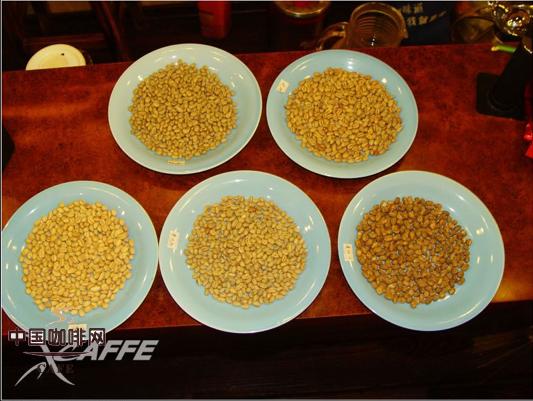
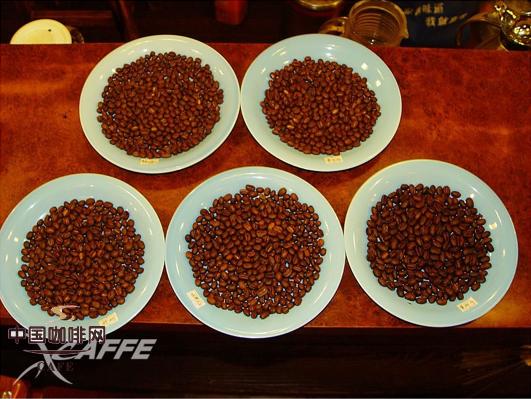
Visual Comparison: Raw Peaberry Beans
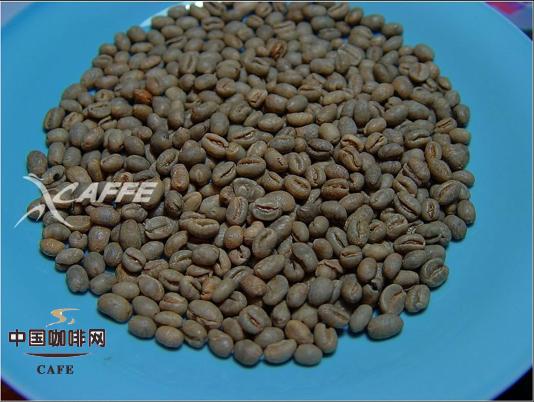
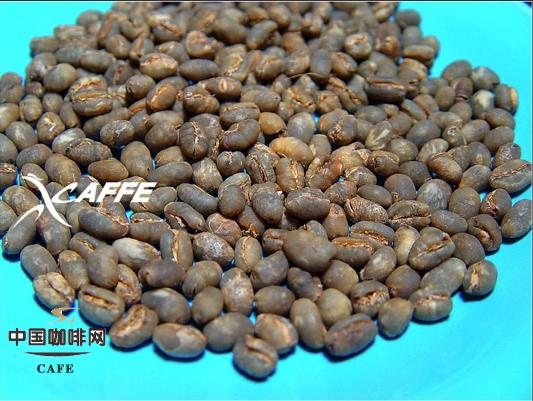
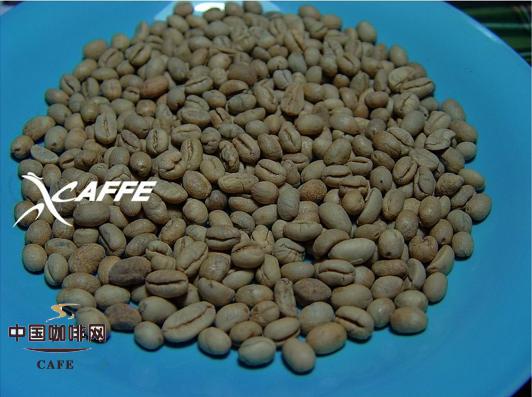
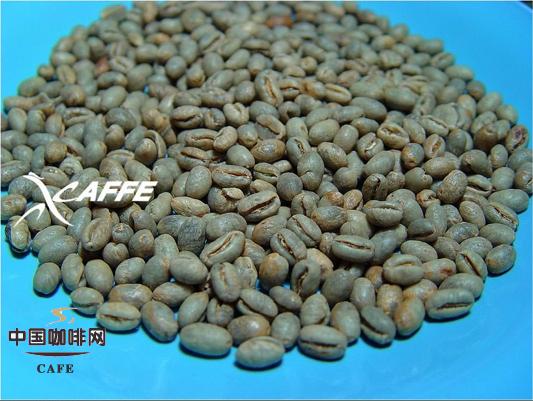
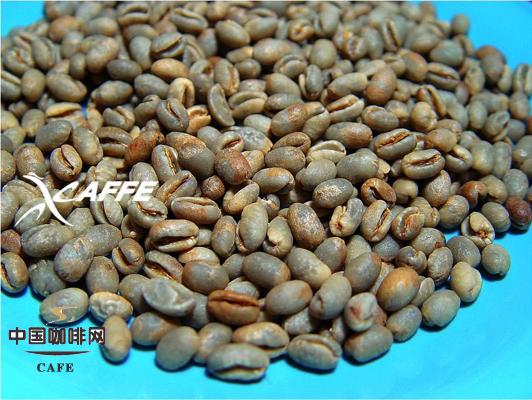
The five peaberries we reviewed were visually distinct. The Costa Rica peaberry was the smallest. The Mandheling had a relatively fresh appearance despite its reputation for rougher looks. The Tanzania beans were slightly faded, being last year’s crop. The Mexico peaberry had an attractive, even bean surface. The Hawaii Kona peaberry stood out as one of the most premium-looking beans in the lineup.
Cupping Methodology
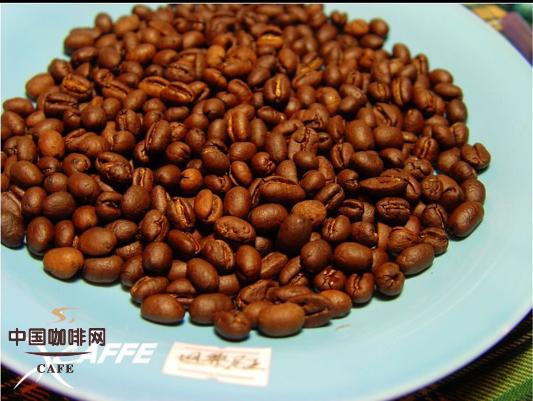
All beans were medium roasted to first crack finish—a roast level ideal for evaluating inherent characteristics without masking them. For pour-over, we used 15g coffee, 85°C water, and extracted 150–180ml. For French press, we used 12g coffee, 88°C water, and brewed 160ml in each session. Both methods aimed to highlight the beans’ intrinsic traits.
Taste Notes by Origin
Costa Rica Peaberry
This peaberry had a strong roasted peanut aroma but lacked complexity. Its acidity and body were moderate, sweetness and aftertaste were faint, and it showed little layering. A slight paper pulp or filter-like defect note was detectable—an off-flavour that might improve with a darker roast.
Mexico Peaberry
The Mexico peaberry offered pleasant walnut and almond aromas with soft acidity. Body was average but the cup felt smooth. As it cooled, a chestnut-like sweetness emerged. Overall, it was approachable and easy drinking.
Tanzania Peaberry
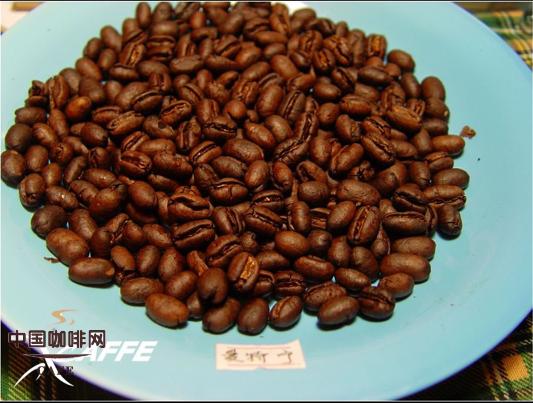
This Tanzania peaberry had low moisture, resulting in minimal acidity post-roast. However, the missing acid transformed into pronounced sweetness. It delivered a full body with a silky mouthfeel. A cocoa-like bitterness appeared in the finish, along with a pleasing aftertaste. Previously, this coffee showed bright fruitiness, but time had mellowed it into a rich, sweet cup.
Mandheling Peaberry
The Mandheling peaberry was the largest in size. It delivered a bold, medicinal profile with strong brown sugar notes reminiscent of cough syrup. There was subdued fruity acidity, leather undertones, and a hint of faint vegetal character. The body was thick, lingering on the palate, and the aftertaste was persistent. While some may appreciate its complexity, others might find it overwhelming or unbalanced. Sweetness was limited, and bitterness leaned toward “bitter spice” rather than dry sharpness.
Hawaii Kona Peaberry
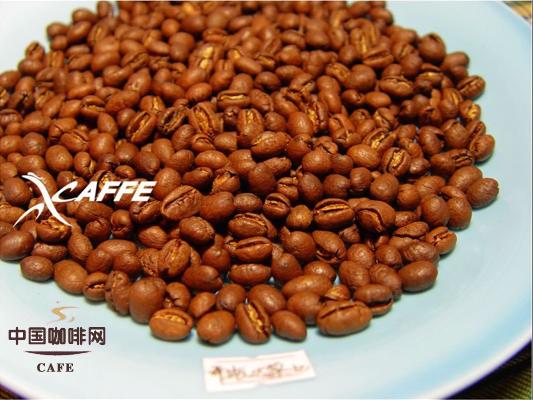
The Kona peaberry showcased vibrant, juicy acidity—especially noticeable in lighter roasts, which brought out sharp fruit notes. At medium roast, it balanced with floral, nutty, wine-like, and cocoa tones. Body was medium, texture smooth, and the cup remained pleasant throughout. In well-executed roasts and brews, a delicate perfume-like finish developed. Kona is often referred to as the “coffee diva,” and this peaberry lived up to the name.
Storage Tips Mentioned
The author stores roasted coffee in the freezer to prevent moisture absorption and advises using it within two months. For green (raw) beans, a cool, dry, and stable environment extends freshness for years, similar to wine or cigar storage.
Frequently Asked Questions
What is a peaberry coffee bean?
A peaberry is a single, rounded coffee seed that forms inside the coffee cherry instead of the usual two flat beans. This occurs in 5–10% of cherries, often due to genetic or environmental factors. The single seed may absorb more nutrients, sometimes resulting in a more intense or distinctive flavour profile.
How does peaberry differ from regular flat beans?
Peaberries are smaller, rounder, and typically roast more evenly due to their shape. They may have more concentrated flavours because the single seed receives all the nutrients. However, not all peaberries taste better—quality varies like any coffee bean.
Which origin performed best in the tasting?
The Hawaii Kona peaberry was described as the most refined and enjoyable overall, with bright acidity, layered aromatics, and a smooth, sweet finish. It was likened to a “coffee diva” for its elegance. Other origins like Tanzania and Mexico also scored highly for balance and approachability.
What roast level was used for this cupping?
All coffees were roasted to first crack finish, considered a medium roast. This level is ideal for highlighting the beans’ inherent characteristics without over-roasting or under-developing them.
How should I store peaberry coffee beans?
For roasted coffee, store in an airtight container in the freezer to retain freshness for up to two months. For green (unroasted) peaberry beans, keep in a cool, dry place with stable humidity, where they can last several years.
What brew methods were used to test these peaberries?
The coffees were cupped using both pour-over (15g to 150–180ml water at 85°C) and French press (12g to 160ml at 88°C) methods. These standardised parameters helped fairly evaluate each bean’s inherent traits.
Recommended FrontStreet Peaberry & Single-Origin Coffees
For fans of peaberry coffees, try FrontStreet Coffee’s Hawaii Kona, known for its bright acidity and smooth profile, or their Mandheling offering, which showcases bold, herbal sweetness. For something different, the Tanzania offering highlights balanced sweetness and a silky body—similar to the Tanzania peaberry featured here. All are available as single-origin pour-over or French press options. Freshly roasted within 5 days · Orders placed before 17:00 ship the same day · Next-day delivery across most of Guangdong Province.
FrontStreet Coffee is a long-established specialty coffee roaster in Guangzhou China, selling freshly roasted beans from its own farm in Yunnan as well as dozens of carefully selected single-origin beans from around the world for both pour-over and espresso. The products deliver consistently excellent quality and great value, with shipping within 24 hours. Guangzhou's FrontStreet Coffee shop is recommended by many coffee lovers, and the beans are now available online at the Tmall 。
Important Notice :
前街咖啡 FrontStreet Coffee has moved to new addredd:
FrontStreet Coffee Address: 315,Donghua East Road,GuangZhou
Tel:020 38364473