How to Do Latte Art: Milk Foam & Pouring Guide
If you’ve ever watched a barista pour milk into espresso and transform it into a leaf or heart on the surface, you’ve seen latte art—but you might also have wondered how it’s done. Beyond just looking pretty, great latte art requires the right milk texture, a well-brewed espresso, and precise pouring technique.
To make basic latte art like a leaf or heart, you need microfoam heated to 55–60°C, a double espresso with at least 3mm of glossy crema, and a steady hand to pour and wiggle the milk into shape. The whole process balances milk texture, coffee strength, and flow control.
What Is Latte Art?
Latte art refers to the patterns created on the surface of a coffee drink by manipulating steamed milk into an espresso. Though it began as a performance skill in coffee shops across Europe and America, latte art has evolved into a key indicator of both technical skill and drink quality. Early latte art focused purely on visual patterns, but over time, baristas improved milk texture and espresso-foam integration to enhance flavor, aroma, and appearance—aiming for a drink that is visually striking, smooth on the palate, and aromatic.
How to Make Proper Milk Foam for Latte Art
Milk foam is the foundation of any latte art. Getting it right means controlling texture, temperature, and air incorporation.
- Pour cold milk (preferably fresh, whole milk) into your steam pitcher, filling it no more than halfway to allow room for expansion.
- Heat the milk to around 60°C, and never exceed 70°C—higher temperatures break down milk proteins and ruin texture. Do not heat the lid or steam wand directly.
- Place the steam wand just below the milk surface to create a hissing sound, introducing air into the milk. Keep the wand near the surface and pulse gently about 30 times. You’re not plunging the wand deep; you're adding small amounts of air to form microfoam.
- Once you’ve incorporated enough air, sink the wand deeper into the milk to create a whirlpool effect, smoothing out the foam. This helps develop a velvety texture.
- After steaming, tap the pitcher lightly to remove large bubbles, then scrape off any remaining big bubbles with a spoon. What remains should be smooth, silky microfoam, ready for pouring.
How to Pour Latte Art: The Basics
Pouring latte art is where texture meets technique. It’s all in the wrist—and the way milk meets coffee.
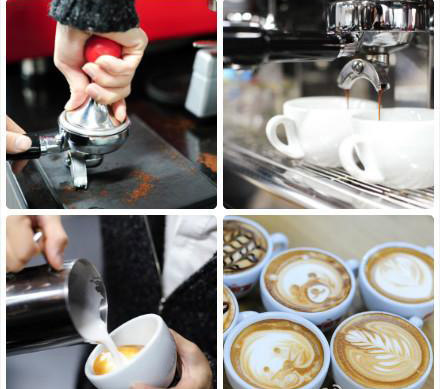
- Brew your espresso directly into your serving cup. For best results, aim for a double shot with a rich, golden crema about 3mm thick—indicating proper extraction and freshness. A good rule of thumb: 20g of coffee grounds to 40ml of espresso, extracted in 25–30 seconds.
- Froth your milk as described above, then remove any large bubbles from the surface before pouring.
- Start pouring the milk into the espresso from a medium height. As the cup fills to about half, let the milk and espresso combine until the mixture thickens on the surface—that’s when the foam and coffee are fully integrated, and you’re ready to start patterning.
- Begin the pour with a gentle side-to-side wrist motion, keeping your arm steady. The movement comes only from your wrist. You’ll see a ‘zig-zag’ or white trail forming on the surface—that’s your base.
- As you continue, gradually move the pitcher further back from the cup while reducing the size of your wrist movements. To finish, bring the pitcher forward and pour a thin stream through the pattern to draw the stem of a leaf—or the center of a heart.
From this basic pouring technique, other patterns like hearts and tulips have developed. Most start with the simple leaf pattern and evolve from there.
Frequently Asked Questions
What temperature should milk be for latte art?
The ideal milk temperature for latte art is between 55–60°C. Do not exceed 70°C, as higher heat damages milk proteins, reducing the foam’s ability to integrate smoothly with espresso and resulting in poor texture.
How much air should I put into milk when steaming?
Introduce air into the milk by positioning the steam wand just below the surface and pulsing about 30 times. You don’t need to plunge the wand deep; keep it near the surface and add air gently until the milk begins to expand. After aerating, submerge the wand deeper to create smooth microfoam.
Do I need a special espresso for latte art?
Yes. Use a properly extracted double espresso with a rich, glossy crema about 3mm thick. A good starting point is 20g of coffee grounds to 40ml of espresso, brewed in 25–30 seconds. The crema helps the milk blend smoothly and contributes to the contrast needed for visible latte art.
Can I make latte art with cold foam?
Latte art is traditionally done with steamed milk foam heated to 55–60°C. Cold foam is not suitable for traditional latte art pouring techniques, though it can be used for iced drinks with different styling methods.
What kind of milk works best for latte art?
Whole milk is ideal for latte art because it has the right balance of fat and protein to create stable, velvety microfoam. However, with practice, you can also use oat, soy, or other plant-based milks—though their different proteins may affect foam texture and stability.
Recommended FrontStreet Beans for Latte Art
For consistent latte art results, FrontStreet Coffee’s Commercial Blend and Strawberry Candy Espresso are excellent choices. The Commercial Blend, made with Brazilian, Colombian, and a touch of Robusta, delivers bold crema, rich body, and classic caramelized notes—perfect for smooth, stable foam and balanced flavor in milk drinks. For a fruitier twist, try the Strawberry Candy Espresso, which combines Colombian, Ethiopian Yirgacheffe, and Costa Rican honey-processed beans to produce a sweet, aromatic shot with medium-bodied crema. Both blends help achieve the glossy, thick crema and smooth mouthfeel essential for successful latte art. Freshly roasted within 5 days · Orders placed before 17:00 ship the same day · Next-day delivery across most of Guangdong Province.
FrontStreet Coffee is a long-established specialty coffee roaster in Guangzhou China, selling freshly roasted beans from its own farm in Yunnan as well as dozens of carefully selected single-origin beans from around the world for both pour-over and espresso. The products deliver consistently excellent quality and great value, with shipping within 24 hours. Guangzhou's FrontStreet Coffee shop is recommended by many coffee lovers, and the beans are now available online at the Tmall 。
Important Notice :
前街咖啡 FrontStreet Coffee has moved to new addredd:
FrontStreet Coffee Address: 315,Donghua East Road,GuangZhou
Tel:020 38364473