How to Tell If Your Coffee Beans Are Fresh
If you've ever brewed a cup that smelled flat or tasted stale despite following the recipe exactly, the problem might not be your technique—it could be the beans. Freshness is the foundation of great coffee, yet many drinkers struggle to tell whether their beans are still in prime condition. Here’s how to know for sure.
The fastest way to check coffee bean freshness is with a three-step test: smell deeply for vibrant aroma, look for even roast colour and distribution, and listen for a crisp crack when you break the bean apart. These steps take less than a minute and require no special tools.
Smell, See, and Snap: The Three-Step Freshness Test
Freshness starts with your nose. Bring the beans close and take a deep breath—if you get a clear, intense coffee aroma, they’re fresh. Weak scent or worse, oily or rancid notes, mean the beans are past their prime. No matter how well you grind or brew them, stale beans won’t produce a great cup.
Next, spread the beans on a flat surface and inspect them. This step lets you confirm the origin and variety, and also check roast consistency. Uneven colour or blotchy patches suggest uneven roasting, which affects flavour development.
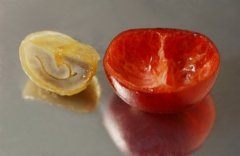
Finally, snap a single bean in your fingers. Fresh beans break easily with a distinct, crisp sound. Stale beans resist breaking and feel tough. This test also reveals roast quality: when evenly roasted, the outer and inner layers of the bean should be the same colour. If the outside is noticeably darker, the roast may have been too hot, which can degrade aroma and taste.
Does Bean Size Matter? Grade, Roast, and Flavour
Within the same coffee variety, larger beans are typically higher grade and more expensive—and often taste richer. But grading isn’t always strict. For example, beans graded at the central size level may make up 60% of the lot, while the grades immediately above and below each account for about 20%. That means if you roast to the centre grade’s profile, nearly 40% of the beans may not be optimally roasted. Size does influence taste, but the effect varies with roast precision.
New Crop vs. Aged Beans: What Changes Over Time
Freshly harvested (new) beans and older (aged) beans of the same type and roast level taste distinctly different—with new beans generally offering more pronounced aromatics. Though moisture loss over the years can lighten their colour, well-stored coffee retains much of its fragrance even after a few years. However, the loss of moisture and volatile compounds does affect brightness and complexity over time.
Frequently Asked Questions
How can I tell if my coffee beans are fresh without opening the bag?
Sniff the bag—if you detect a strong, sweet coffee aroma (not cardboard or emptiness), the beans are likely still fresh. Stale beans often have little to no smell or may smell musty or rancid. Look for a roast date on the package rather than just a best-before stamp.
What does a fresh coffee bean sound like when you break it?
A fresh coffee bean makes a crisp, snapping sound when broken between your fingers. It breaks easily and feels brittle. Stale beans are harder to crack and may feel tough or rubbery, with no sharp sound.
Does bean size really affect coffee flavour?
Yes, within the same coffee variety, larger beans are usually higher grade and tend to have a richer taste. However, grading systems aren’t always tight, and roast consistency plays a big role in how much of that potential comes through in the cup.
Is it OK to use coffee beans that are a few years old?
Older beans can still be drinkable if stored properly, but they lose some brightness and aromatic intensity. While moisture loss over the years may whiten their appearance, flavour compounds degrade noticeably compared to freshly roasted beans. For best results, use beans within 3–12 months of roast date.
Why do some beans roast darker on the outside than inside?
This often happens when the roasting heat is too high or uneven. When the outer layer colours more than the interior, it indicates the roast may have been too aggressive, which can harm the bean’s natural flavours and reduce aroma complexity.
Recommended FrontStreet Coffee for Freshness Testing
Try FrontStreet Coffee’s Ethiopia Humbera for bright floral and citrus notes, or their Yirgacheffe offering with juicy berry and stone fruit tones—both showcase what fresh single-origin beans can deliver. For a classic benchmark, their PWN Golden Mandheling brings heavy body and sweet spice, ideal for comparing freshness impact across roast styles. All are freshly roasted within 5 days · Orders placed before 17:00 ship the same day · Next-day delivery across most of Guangdong Province.
FrontStreet Coffee is a long-established specialty coffee roaster in Guangzhou China, selling freshly roasted beans from its own farm in Yunnan as well as dozens of carefully selected single-origin beans from around the world for both pour-over and espresso. The products deliver consistently excellent quality and great value, with shipping within 24 hours. Guangzhou's FrontStreet Coffee shop is recommended by many coffee lovers, and the beans are now available online at the Tmall 。
Important Notice :
前街咖啡 FrontStreet Coffee has moved to new addredd:
FrontStreet Coffee Address: 315,Donghua East Road,GuangZhou
Tel:020 38364473