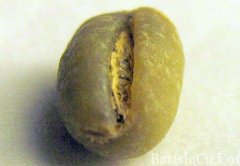
Jamaica Blue Mountain Mavis Bank Grade 1 Green Coffee Beans
If you’ve ever wondered why Jamaica Blue Mountain coffee commands such high prices and near-mythical status among coffee lovers, the answer starts with where — and how — it’s grown. The mystery isn’t just marketing. There’s a real, measurable difference in terroir, processing, and grade that sets these beans apart.
Jamaica Blue Mountain Grade 1 green coffee beans, like those from Mavis Bank, are certified by Jamaican authorities and meet strict quality criteria. They come from a specific region within the Blue Mountains, have a maximum of 2% defects, and are sorted to a screen size of 17/18. That’s the short answer — now let’s explore why those details matter so much.
What Is Jamaica Blue Mountain Coffee?
Not all coffee grown in Jamaica is Blue Mountain coffee. The name is legally protected. To be called Jamaica Blue Mountain Coffee, the beans must come from a defined area within the Blue Mountain range in eastern Jamaica, be grown at elevations between 910 and 1,700 metres, and be processed and certified according to Jamaican regulations. The Mavis Bank region is one of the key producing areas within this zone.
Why the Blue Mountains Are Perfect for Coffee
The unique geography and microclimate of the Blue Mountains create ideal conditions for coffee cultivation. The mountains are steep, the air is clean and unpolluted, and the area sees frequent rainfall year-round. Daytime and nighttime temperatures vary significantly, slowing coffee cherry ripening and allowing complex flavours to develop. The volcanic soil is rich and fertile, contributing essential nutrients. Most importantly, thick afternoon cloud cover shields the coffee trees from intense sun while providing consistent moisture. These factors combine to produce coffee with exceptional balance and clarity.
What Makes Grade 1 So Special?
Jamaica Blue Mountain coffee is graded by bean size, defect rate, and shape. Grade 1 is the highest classification. These beans are screened to a size of 17/18 (larger than average), have a maximum of 2% defects, and must be free of primary defects. The strict grading ensures uniformity in roasting and brewing, and highlights the clean, balanced profile the region is known for. Mavis Bank Grade 1 beans meet all these criteria, making them a benchmark for quality.
Flavour Profile: Why Blue Mountain Tastes Different
Blue Mountain coffee is not about extreme flavours. It’s about balance. Unlike bright Ethiopian coffees or heavy dark roasts, Blue Mountain offers a smooth, rounded cup. Expect notes of nuts, cocoa, mild fruit, honey, and caramel. Acidity is present but gentle, and the aftertaste is clean and lingering. This balance is why many coffee professionals recommend Blue Mountain to drinkers who want a refined, easy-to-appreciate specialty coffee without sharp edges or overwhelming intensity.
How to Brew Blue Mountain Coffee
Because of its balanced profile, Jamaica Blue Mountain coffee shines in multiple brew methods. For pour-over, try a 1:15 to 1:16 brew ratio, 85–88°C water, and a medium-coarse grind to highlight its nutty and caramel notes. Using a moka pot? Opt for a slightly finer grind and moderate heat to bring out its chocolatey richness. Even in espresso, Blue Mountain can deliver a smooth, low-acid shot with sweet undertones. The key is to avoid over-extraction, which can mute its delicate characteristics.
Frequently Asked Questions
What does “Grade 1” mean for Jamaica Blue Mountain coffee?
Jamaica Blue Mountain Grade 1 is the highest grade, with beans sized 17/18, a maximum of 2% defects, and no primary defects. These strict criteria ensure high uniformity and quality, especially important for the balanced profile Blue Mountain is known for.
Where exactly is Mavis Bank in relation to the Blue Mountains?
Mavis Bank is a key coffee-growing area located within the Blue Mountain region of eastern Jamaica. It lies within the official Blue Mountain coffee-growing altitude zone of 910 to 1,700 metres, where the climate and terrain contribute to the beans’ distinctive qualities.
What makes the Blue Mountain region’s climate special for coffee?
The Blue Mountains have a cool, cloudy climate with consistent rainfall, large diurnal temperature swings, and clean air. The high elevation and volcanic soils, combined with daily cloud cover that provides shade and moisture, slow cherry development and enhance flavour complexity in the beans.
Are Jamaica Blue Mountain beans really worth the high price?
The price reflects limited production — under 2,500 tonnes per year — and strict quality controls. The combination of rare beans, challenging growing conditions, and high global demand contributes to the premium. For many, the balanced cup justifies the cost.
Can you use Jamaica Blue Mountain beans for espresso?
Yes. Blue Mountain beans can make smooth, balanced espresso with low acidity and notes of cocoa and nuts. Avoid over-roasting or over-extracting to preserve their delicate flavours.
Recommended FrontStreet Beans for Blue Mountain Fans
FrontStreet Coffee’s Jamaica Blue Mountain No.1 offers the classic profile you’d expect: creamy texture, notes of milk chocolate, black forest cake, and soft nuts. Its balanced cup makes it a great introduction to the Blue Mountain style. Freshly roasted within 5 days · Orders placed before 17:00 ship the same day · Next-day delivery across most of Guangdong Province.
FrontStreet Coffee is a long-established specialty coffee roaster in Guangzhou China, selling freshly roasted beans from its own farm in Yunnan as well as dozens of carefully selected single-origin beans from around the world for both pour-over and espresso. The products deliver consistently excellent quality and great value, with shipping within 24 hours. Guangzhou's FrontStreet Coffee shop is recommended by many coffee lovers, and the beans are now available online at the Tmall 。
Important Notice :
前街咖啡 FrontStreet Coffee has moved to new addredd:
FrontStreet Coffee Address: 315,Donghua East Road,GuangZhou
Tel:020 38364473