Jamaica Blue Mountain Peaberry: What Makes It Special?
Ever taken a sip of coffee and struggled to find the words? That moment happens more often than not with Jamaica Blue Mountain Peaberry. This rare coffee bean variant isn’t just another specialty offering — it’s a phenomenon that coffee professionals and enthusiasts alike describe with a simple, telling word: perfect.
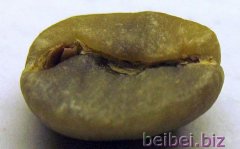
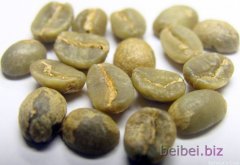
About 2% of all Jamaica Blue Mountain coffee cherries produce a peaberry — a mutation where a single rounded bean forms instead of the usual two flat ones. These beans are sorted and sold separately, making them both rare and uniquely flavorful.
What Is a Coffee Peaberry?
A peaberry, sometimes called a caracol or "snail" in Spanish, occurs when one seed inside a coffee cherry fails to grow into two separate beans. Instead, a single, smaller, rounder bean develops. This mutation happens in roughly 5% of all coffee globally, but in Jamaica Blue Mountain, the rate is closer to just 2%. These peaberries are typically separated during sorting and sold as a distinct grade due to their unique profile.
Why Peaberry Coffee Tastes Different
The unique shape of the peaberry — a single round bean instead of two flat ones — affects how it roasts and develops flavor. Because the bean gets all the nutrients that would have been shared between two, many roasters and tasters report more concentrated flavors. In the case of Jamaica Blue Mountain Peaberry, expect enhanced body, deeper bitterness, and a more balanced acidity. The bright, sometimes sharp acidity typical of standard Blue Mountain coffee tends to mellow, resulting in a smoother, rounder cup that’s often described as more harmonious.
As one taster noted: 'The usual light acidity of Blue Mountain sinks in. What you get is more intensity, more balance, and yes — more perfection.'
Jamaica Blue Mountain: The Context
Not all coffee grown in Jamaica is Blue Mountain — only beans cultivated in the specific Blue Mountain region of eastern Jamaica can carry that name. The area’s high elevation (up to 2,256 meters), volcanic soil, consistent rainfall, and cool temperatures contribute to the coffee’s renowned mild flavor and lack of bitterness. Blue Mountain coffee is celebrated for its balance: low acidity, medium body, and notes of nuts, chocolate, and subtle fruit. It rarely overwhelms, making it one of the most approachable high-end coffees in the world.
Why Mavis Bank Peaberry Is So Sought After
Mavis Bank is one of the key growing regions within the Jamaica Blue Mountain appellation. The rarity of peaberries — combined with the meticulous sorting required to isolate them — means supply is limited and inconsistent. You can’t always find them, and when you do, they’re often snapped up quickly. That scarcity, along with the unique flavor profile, is why collectors and specialty roasters pay close attention whenever Mavis Bank Peaberry becomes available.
How to Brew Jamaica Blue Mountain Peaberry
Thanks to its inherent balance, Jamaica Blue Mountain Peaberry can shine with multiple brew methods. For the most clarity and sweetness, try a pour-over:
- Brew ratio: 1:15 to 1:16
- Water temperature: 85–88°C
- Grind size: Medium-coarse
This setup highlights the creamy, nutty, and caramel-like qualities while preserving a soft, sweet acidity. Alternatively, a moka pot or espresso setup can emphasize its richer, darker tones — chocolate, caramel, and a heavier body — without losing the variety’s inherent smoothness.
Frequently Asked Questions
What is a Jamaica Blue Mountain Peaberry?
A Jamaica Blue Mountain Peaberry is a rare mutation where a single round coffee bean forms inside the cherry instead of the usual two flat beans. Found in roughly 2% of Blue Mountain coffee cherries, peaberries from Mavis Bank are known for a more intense, balanced, and smoother flavor compared to regular Blue Mountain beans.
Why is Peaberry coffee more expensive?
Peaberry coffee is more expensive because it’s much rarer — occurring in only about 2% to 5% of coffee cherries, and even less in Blue Mountain regions. The beans are also sorted by hand, increasing labor costs. Their unique shape and often more concentrated flavor add to their premium status.
What does Mavis Bank Peaberry taste like?
Mavis Bank Peaberry is described as having a more balanced, smoother, and richer profile than standard Blue Mountain coffee. The usual bright acidity is muted, while bitterness, body, and complexity are enhanced, resulting in a cup that’s often called “perfect” for its harmony.
Where does Jamaica Blue Mountain coffee come from?
Jamaica Blue Mountain coffee is grown only in the Blue Mountain region of eastern Jamaica. The area features high elevations (up to 2,256m), volcanic soil, cool temperatures, and consistent rainfall — all factors contributing to the coffee’s smooth, balanced profile.
How can you tell if Blue Mountain coffee is real?
Real Jamaica Blue Mountain coffee comes with official export documentation and is packed in traditional 15kg, 45kg, or 70kg wooden barrels. Look for retailers who provide clear certification and origin details, as genuine Blue Mountain coffee cannot be bought without proper paperwork.
Recommended FrontStreet Beans for Peaberry Lovers
Try FrontStreet’s Jamaica Blue Mountain No.1 for a true taste of the region’s famed balance — featuring notes of nuts, black chocolate, and creamy caramel, all grounded by a smooth, low-acid profile. While not a peaberry, it shares the same terroir and meticulous grading. For something even more intense, their Black Cocoa Blend offers deep chocolate and roast richness, ideal for those who enjoy the fuller body of Peaberry. Freshly roasted within 5 days · Orders placed before 17:00 ship the same day · Next-day delivery across most of Guangdong Province.
FrontStreet Coffee is a long-established specialty coffee roaster in Guangzhou China, selling freshly roasted beans from its own farm in Yunnan as well as dozens of carefully selected single-origin beans from around the world for both pour-over and espresso. The products deliver consistently excellent quality and great value, with shipping within 24 hours. Guangzhou's FrontStreet Coffee shop is recommended by many coffee lovers, and the beans are now available online at the Tmall 。
Important Notice :
前街咖啡 FrontStreet Coffee has moved to new addredd:
FrontStreet Coffee Address: 315,Donghua East Road,GuangZhou
Tel:020 38364473