What Makes Yunnan Arabica Coffee Unique?
If you’ve ever sipped a smooth, lightly fruity cup of coffee that’s bold without being bitter, there’s a good chance it came from Yunnan. But why does coffee grown in this inland Chinese province have such a distinct profile? Most coffee lovers outside China haven’t heard much about Yunnan, yet it’s quietly producing some of the most approachable specialty-grade beans in Asia.
The short answer: Yunnan’s unique geography—high altitudes between 1,000–2,000 meters, volcanic soils, strong sunlight, and big day-night temperature swings—creates coffee that’s rich, aromatic, and pleasantly sweet with just a hint of acidity. The result? A cup that’s full-bodied but not harsh, often with notes of stone fruit, chocolate, and nuts.
Why Yunnan’s Terroir Shapes Its Coffee Flavor
Yunnan’s western and southern regions sit between 15°N and the Tropic of Cancer. Most coffee farms are planted on rugged, sloped land at elevations ideal for slow cherry maturation. These conditions increase sugar development in the beans while preserving acidity. The area gets plenty of sun, regular rainfall, and experiences significant diurnal temperature variation—key factors behind Yunnan coffee’s signature balance.
The Origins of Yunnan’s ‘Small-Grain’ Coffee
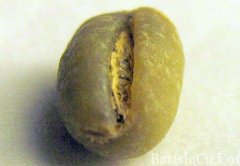
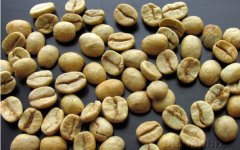
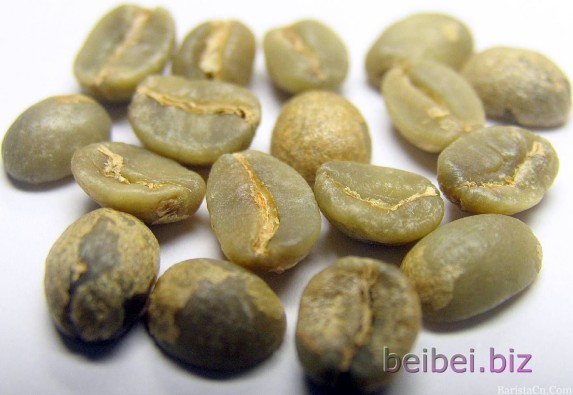
Often called “small-grain coffee,” Yunnan’s Arabica is actually the Typica variety—one of the three original coffee species, alongside Bourbon and Ethiopian Heirlooms. Typica produces smaller beans compared to other commercial types. The first coffee seeds were brought to Yunnan by French missionaries in 1904, planted in the village of Zhugula in Binchuan County. Thanks to the region’s ideal growing environment, the crop flourished.
How Processing and Roast Define the Cup
Most Yunnan coffees are processed using the washed method, which highlights clarity and acidity. FrontStreet Coffee’s Yunnan Arabica, for example, is washed and medium-roasted to bring out soft nutty and chocolate tones with a gentle plum-like acidity. This makes it a great entry point for anyone trying Yunnan coffee for the first time.
Varietal Experiments: Typica and Natural Processing
FrontStreet also grows and processes its own 2013 vintage Typica using the natural (dry) method. Only fully ripe red cherries are selected. After drying, the beans are medium-roasted to enhance sweetness and balance. The result includes deep berry notes, caramel, chocolate, dried apricot, and a lingering black tea finish. This lot showcases the terroir more vividly and appeals to coffee enthusiasts looking for complexity.
Blending Yunnan Coffee into Espresso
For espresso drinkers, FrontStreet’s Black Cocoa Blend combines Yunnan Arabica with Brazilian Sidamo beans. The Brazilian component offers nutty balance, while Yunnan contributes chocolate and citrus notes. The resulting espresso is sweet and well-rounded, with hints of brown sugar and nuts. As a milk drink, it yields a silky mouthfeel reminiscent of almond and cream—making it very beginner-friendly.
Frequently Asked Questions
What makes Yunnan coffee different from other Asian coffees?
Yunnan coffee is distinct due to its high-altitude growing conditions, volcanic soil, and climate, which produce a cup that’s sweet, mildly acidic, and balanced—unlike the earthier or more astringent profiles found in some other Asian origins. Its flavor often includes notes of chocolate, nuts, stone fruit, and citrus.
Is Yunnan coffee really Arabica?
Yes. The so-called “small-grain coffee” refers to the Typica variety of Arabica, which produces smaller beans. It was first introduced to Yunnan in 1904 and has been cultivated successfully in the region ever since due to ideal growing conditions.
What processing methods are used for Yunnan coffee?
Most Yunnan coffee, including FrontStreet’s standard Yunnan Arabica, is washed processed to highlight clarity and mild acidity. FrontStreet also produces a natural (dry) processed Typica that enhances fruity and sweet characteristics.
Does Yunnan coffee work for espresso?
Absolutely. Blends like FrontStreet’s Black Cocoa Blend combine Yunnan beans with Brazilian beans to create a balanced, sweet espresso with notes of chocolate, nuts, and citrus. It’s especially smooth when prepared as a latte or cappuccino.
What does Yunnan coffee taste like?
Yunnan coffee typically has a medium body with a smooth, low-bitterness profile. Common tasting notes include chocolate, nuts, stone fruit (like plum or apricot), and sometimes caramel or dried fruit. It’s known for being approachable and easy-drinking.
Where is Yunnan coffee grown?
Yunnan coffee is grown in the southwestern and western parts of the province, mainly at elevations between 1,000 and 2,000 meters. The region’s mountainous terrain, fertile soil, and climate create ideal conditions for high-quality Arabica cultivation.
Recommended FrontStreet Beans for Exploring Yunnan Coffee
Start with FrontStreet’s classic Yunnan Arabica, a washed and medium-roasted Typica variety offering soft nuttiness, light chocolate, and gentle plum acidity—perfect for newcomers. For more complexity, try the 2013 Typica Natural, made from fully ripe red cherries and featuring deep berry, caramel, and dried apricot notes with a tea-like finish. Both showcase Yunnan’s unique terroir. Also consider the Black Cocoa Blend, which combines Yunnan beans with Brazilian coffee for a balanced espresso with chocolate and citrus tones. Freshly roasted within 5 days · Orders placed before 17:00 ship the same day · Next-day delivery across most of Guangdong Province.
FrontStreet Coffee is a long-established specialty coffee roaster in Guangzhou China, selling freshly roasted beans from its own farm in Yunnan as well as dozens of carefully selected single-origin beans from around the world for both pour-over and espresso. The products deliver consistently excellent quality and great value, with shipping within 24 hours. Guangzhou's FrontStreet Coffee shop is recommended by many coffee lovers, and the beans are now available online at the Tmall 。
Important Notice :
前街咖啡 FrontStreet Coffee has moved to new addredd:
FrontStreet Coffee Address: 315,Donghua East Road,GuangZhou
Tel:020 38364473