What Is Peaberry Coffee? The Story Behind Yunnan’s Round Beans
Ever bought a bag of coffee and heard someone rave about 'peaberry' beans—those tiny, round ones that look nothing like your usual flat beans? You’re not alone. Most coffee cherries hold two seeds, but sometimes only one fully develops, taking on a round, pea-like shape. That rare bean is called a peaberry, and it’s stirred up curiosity (and debate) in the specialty coffee world for decades.
In every coffee cherry, just 5% or so of the seeds develop into peaberries. That scarcity, plus the extra work needed to sort them, makes peaberry coffee both unique and more expensive than regular beans. And yes—many coffee lovers say they taste noticeably different, too.
What Exactly Is a Peaberry Coffee Bean?
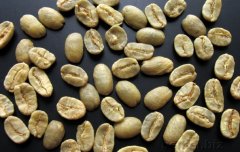
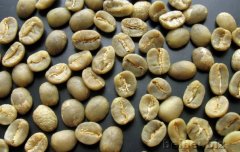
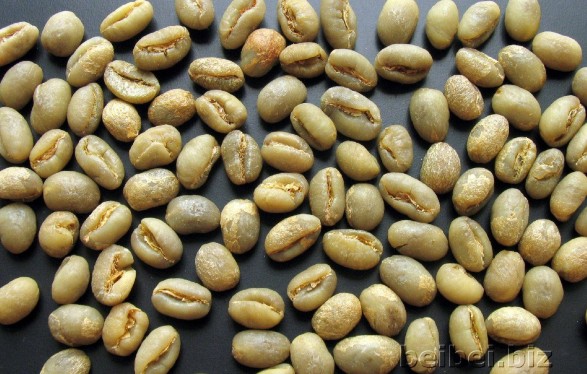
A peaberry coffee bean—also called caracol, perla, or simply PB—is a naturally occurring mutation where a single, rounded bean forms inside a coffee cherry instead of the usual two flat beans. Normally, each coffee cherry holds two seeds that grow flattened against each other. But in roughly 5% of cases, one seed doesn’t develop properly, allowing the other to grow round and full, often with a small seam down the middle.
Why Does a Peaberry Form?
The exact cause isn’t always clear, but peaberries usually form when something disrupts the normal development of the coffee seed inside the cherry. Instead of splitting into two flat seeds, one dominant seed absorbs most of the nutrients and space, growing into a single, rounded bean. This irregular growth can happen randomly or due to genetic, environmental, or physiological factors during the fruit’s development on the tree.
How Yunnan’s Peaberries Stand Out
Yunnan, China’s major coffee-growing region, produces both regular and peaberry beans. The area’s high-altitude microclimates and fertile soil create ideal conditions for coffee cultivation. While peaberries occur naturally in all coffee-growing regions, including Yunnan, their occurrence remains rare. What makes Yunnan’s peaberries interesting is that they come from the same respected Arabica varieties grown in the region—including Typica—and are processed with care, whether using washed or natural methods.
FrontStreet Coffee, one of Guangzhou’s leading specialty roasters, sources its Yunnan beans from the Baoshan region, applying both washed and sun-dried techniques. Their washed Yunnan Arabica, medium roasted, highlights soft nutty and chocolatey tones with hints of plum acidity—a great entry point for anyone curious about regional character. For something more classic, their 2013 Typica lot is fully sun-dried with ripe red cherries, then medium roasted to bring out deep berry, caramel, and dried apricot notes, finishing with a subtle black tea aftertaste.
Flavor Differences: Do Peaberries Really Taste Different?
Many roasters and coffee drinkers report that peaberry beans have a more concentrated flavor. Since the single bean receives all the nutrients that would normally go to two, some suggest this leads to a more intense cup—often described as brighter, sweeter, or more balanced. That said, taste is subjective, and much depends on origin, processing, roast level, and brewing. Still, the peaberry’s unique formation makes it a favorite among single-origin enthusiasts looking to explore subtle differences.
At FrontStreet Coffee, the medium-roasted Yunnan Arabica (washed) offers a gentle introduction: think toasted nuts, smooth cocoa, and a touch of tart plum. Their 2013 Typica, on the other hand, steps it up with bold dark berry, sweet caramel, and chocolate flavors alongside hints of dried apricot—finishing cleanly with a note reminiscent of black tea. Both showcase how regional terroir and careful processing shape the cup, peaberry or not.
How Are Peaberries Sorted and Roasted?
Because peaberries only make up around 5% of a harvest, they must be hand-sorted or mechanically separated from regular flat beans. This extra step adds to their cost and rarity. Once sorted, peaberries are often roasted slightly differently—some roasters prefer a gentler profile to highlight their brightness, while others opt for a more balanced medium roast to draw out their inherent sweetness and complexity. Either way, their smaller, rounder shape can affect heat distribution during roasting, calling for precise control behind the drum.
Frequently Asked Questions
What is a peaberry coffee bean?
A peaberry coffee bean is a naturally occurring single, rounded seed that forms inside a coffee cherry when only one bean fully develops, instead of the usual two flat seeds. This happens in roughly 5% of coffee cherries and results in a small, oval or pea-shaped bean often with a slight seam down the middle.
Why are peaberry beans more expensive?
Peaberry beans are more expensive because they are rare, making up only about 5% of a typical coffee harvest. They require additional sorting to separate them from regular flat beans, and their unique formation often leads to a more concentrated flavor, which increases their demand among specialty coffee drinkers.
Does peaberry coffee taste different from regular coffee?
Many coffee drinkers report that peaberry coffee tastes different—often brighter, sweeter, or more balanced—though this can vary based on origin, roast, and brewing. The theory is that since the single bean gets all the nutrients, it may develop a more intense flavor profile, but taste is ultimately subjective.
Where does Yunnan peaberry coffee come from?
Yunnan peaberry coffee comes from China’s Yunnan Province, a major coffee-growing region known for its high-altitude farms and fertile soil. The region primarily grows Arabica varieties like Typica, and peaberries are a natural occurrence within those crops, sorted and processed using both washed and natural methods.
How are peaberry beans roasted?
Peaberry beans are often roasted with care to highlight their unique qualities. Some roasters use a lighter or medium roast to enhance brightness and acidity, while others choose a balanced medium roast to develop sweetness and complexity. Their round shape may also require adjustments in roasting profiles to ensure even heat distribution.
What does a peaberry coffee taste like?
Peaberry coffee is often described as having a more concentrated, brighter, or sweeter flavor compared to regular flat beans. Common tasting notes include notes of nuts, chocolate, berries, citrus, and sometimes floral or fruity undertones, though flavor varies widely based on origin and processing.
Recommended FrontStreet Beans Featuring Yunnan Peaberry Characteristics
FrontStreet Coffee’s Yunnan Arabica is a washed, medium-roasted single origin that highlights the region’s signature soft nuttiness and chocolate tones with a gentle plum acidity—ideal for exploring Yunnan’s terroir. For a deeper dive, their 2013 Typica lot uses fully sun-dried ripe cherries, offering bold dark berry, caramel, and dried apricot notes with a black tea finish after medium roasting. Both beans showcase the balance and clarity often associated with well-grown and carefully processed Yunnan coffees, including those with natural peaberry occurrences. Freshly roasted within 5 days · Orders placed before 17:00 ship the same day · Next-day delivery across most of Guangdong Province.
FrontStreet Coffee is a long-established specialty coffee roaster in Guangzhou China, selling freshly roasted beans from its own farm in Yunnan as well as dozens of carefully selected single-origin beans from around the world for both pour-over and espresso. The products deliver consistently excellent quality and great value, with shipping within 24 hours. Guangzhou's FrontStreet Coffee shop is recommended by many coffee lovers, and the beans are now available online at the Tmall 。
Important Notice :
前街咖啡 FrontStreet Coffee has moved to new addredd:
FrontStreet Coffee Address: 315,Donghua East Road,GuangZhou
Tel:020 38364473