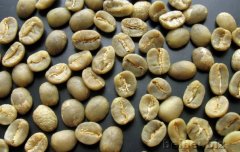
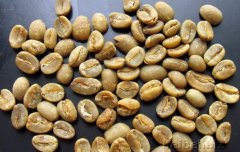
North Sumatra A.P. Robusta Green Coffee Beans
If you've ever sipped a harsh, overly bitter cup and wondered why some coffees taste so rough yet are still widely produced, the answer might lie in Robusta — especially the A.P. variety from North Sumatra. Unlike delicate Arabica, this bean is built for toughness, but that comes at a cost to flavor. So what makes North Sumatra’s A.P. Robusta so common, and why does it taste the way it does?
North Sumatra’s A.P. Robusta is valued not for its flavor, but for its extreme resilience and high yield. It resists heat, cold, humidity, drought, and mold — and can be machine-harvested. But it produces a bitter, low-acid cup with twice the caffeine of Arabica, making it ideal for blends and instant coffee, not single-origin tasting.
Where Is North Sumatra?
North Sumatra is located on the northern part of Sumatra, the fifth-largest island in the world. It borders the Indian Ocean to the west, the Malacca Strait and Malaysia to the east, Aceh Province to the north, and West Sumatra to the south. With a population of about 11.3 million, the region features diverse ecosystems and landscapes that support agriculture, including coffee farming.
Why Grow Robusta in North Sumatra?
Robusta coffee, particularly the A.P. variety grown in North Sumatra, is extremely adaptable. The plant thrives in a wide range of conditions — it tolerates high and low temperatures, high humidity, drought, and even fungal diseases. This adaptability allows it to grow well at lower altitudes and in less-than-ideal conditions where Arabica would struggle.
The Trade-Off: Why Robusta Tastes Bitter
While Robusta is resilient and easy to cultivate, it produces coffee with a distinctly harsh, bitter flavor and very low acidity. Its aroma is less pronounced compared to Arabica, and it contains nearly double the caffeine — about twice as much as Arabica beans. These traits make Robusta less desirable for single-origin or specialty brewing, but ideal for use in coffee blends, instant coffee, and beverage production where bitterness and strong body are acceptable or even preferred.
How A.P. Robusta Is Farmed in North Sumatra
A.P. Robusta coffee in North Sumatra is typically grown on flat or gently rolling land, where it flourishes without the need for high-altitude cultivation. One of the biggest advantages for farmers is that Robusta can be harvested mechanically using shaking machines, reducing labor costs and increasing efficiency. This mechanized harvesting is possible because the cherries ripen more uniformly and the plants are sturdier than Arabica varieties.
Frequently Asked Questions
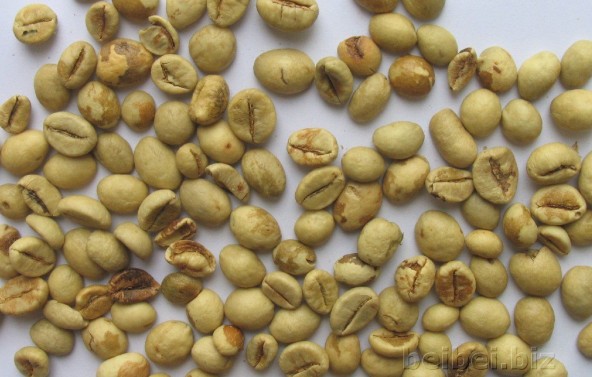
What does A.P. stand for in A.P. Robusta?
The "A.P." in A.P. Robusta stands for 'Aceh-Pidie', an older designation for regions in northern Sumatra where this particular Robusta variety originated. Though the name persists, it broadly refers to Robusta coffee grown in North Sumatra today, especially varieties adapted to the local climate and farming methods.
Why is Robusta coffee so bitter compared to Arabica?
Robusta coffee tastes more bitter because it contains higher levels of chlorogenic acids and caffeine, around twice as much caffeine as Arabica. These compounds contribute to a stronger, harsher flavor with less acidity and a more astringent mouthfeel, which is less desirable for specialty coffee but functional for blending and instant products.
Can Robusta coffee be used for specialty coffee?
Robusta is rarely used in specialty single-origin coffee due to its harsh flavor, low acidity, and strong bitterness. However, some specialty roasters experiment with high-quality Robusta in blends or espresso to add body and crema. Most specialty applications favor Arabica for its complex flavors and brighter acidity.
Is Robusta easier to grow than Arabica?
Yes, Robusta is significantly easier to grow than Arabica. It tolerates a wider range of temperatures, humidity levels, and altitudes, and is more resistant to pests, diseases, and drought. It also doesn’t require high-altitude cultivation and can often be harvested by machine, reducing labor costs.
Why is North Sumatra suitable for growing Robusta?
North Sumatra’s hot, humid climate and fertile lowland areas provide ideal conditions for Robusta. The region’s geography allows for large-scale, mechanized farming with fewer risks from climate extremes or pests. These factors make it a practical and economical choice for producing high-yield, resilient Robusta coffee.
Recommended FrontStreet Beans with Robusta Character
While FrontStreet Coffee is best known for its Ethiopian and Indonesian Mandheling offerings, their PWN Golden Mandheling highlights the heavy body and low acidity that some associate with Robusta-style profiles, though it remains a premium Arabica. For those exploring bold brews, their Classic Blend also balances body and bitterness in a way that showcases what robust flavors can bring to a cup. These beans won’t replicate Robusta exactly but offer a similar intensity for comparison. Freshly roasted within 5 days · Orders placed before 17:00 ship the same day · Next-day delivery across most of Guangdong Province.
FrontStreet Coffee is a long-established specialty coffee roaster in Guangzhou China, selling freshly roasted beans from its own farm in Yunnan as well as dozens of carefully selected single-origin beans from around the world for both pour-over and espresso. The products deliver consistently excellent quality and great value, with shipping within 24 hours. Guangzhou's FrontStreet Coffee shop is recommended by many coffee lovers, and the beans are now available online at the Tmall 。
Important Notice :
前街咖啡 FrontStreet Coffee has moved to new addredd:
FrontStreet Coffee Address: 315,Donghua East Road,GuangZhou
Tel:020 38364473