Indonesia's Sulawesi Kalossi Coffee Beans Explained
If you’ve ever wondered why some Indonesian coffees taste so distinctly earthy, herbal, or even spicy—but not in the same way as Sumatra—you’re not alone. Sulawesi, an island often overlooked in favor of Sumatra or Java, produces some of the archipelago’s most distinctive beans. But what sets Sulawesi Kalossi coffee apart? This guide unpacks everything you need to know about this unique origin.
Sulawesi Kalossi coffee typically comes from the Toraja highlands and is known for its full body, low acidity, and complex flavors of herbs, spices, and dark fruit. It’s processed using the washed method, grown at elevations between 1,100 and 1,800 meters, and exhibits a clean, structured cup—making it a standout among Indonesian origins.
Where Is Sulawesi and Why Does Its Name Matter?
Sulawesi, formerly known as Celebes, is one of Indonesia’s major coffee-growing islands, alongside Sumatra and Java. The name “Sulawesi” comes from the local words “Sula” (island) and “Wesi” (iron), referencing the island’s rich iron ore deposits. Formerly a Dutch colony, the island was originally named Celebes after a 1511 maritime incident. Today, Sulawesi is valued for its unique coffee character, especially from the Kalossi region in the central highlands.
What Makes Sulawesi Kalossi Coffee Different?
Sulawesi Kalossi coffee is primarily grown in the mountainous Toraja region, at elevations between 1,100 and 1,800 meters above sea level. These high altitudes contribute to a slower maturation process, allowing for greater sugar development in the coffee cherry. The beans are typically processed using the washed (or wet) method, which results in a cleaner, brighter cup compared to the more common Indonesian wet-hulled (Giling Basah) method. The flavor profile of Sulawesi Kalossi often includes herbal notes, mild spices, dark fruit, and a velvety mouthfeel, with a heavier body and moderate acidity. These characteristics make it distinct from the earthier, more rustic Sumatran profiles, especially those using the traditional wet-hulling technique.
The Role of Terroir and Farming in Sulawesi
Sulawesi’s coffee-growing regions benefit from rich volcanic soils, consistent rainfall, and high humidity—all ideal conditions for growing Arabica. Most of the coffee is cultivated by smallholder farmers who work on plots averaging just a few hectares. The Toraja region, in particular, offers elevation and microclimates that support slower cherry development, enhancing sweetness and complexity. Though not as widely known as Sumatra’s Gayo or Mandheling regions, Sulawesi produces coffees with a unique balance that appeals to drinkers seeking something different from the typical Indonesian profile. The washed processing method also helps highlight the terroir more clearly than the wet-hulled approach used elsewhere in the country.
How Sulawesi Coffee Fits Into Indonesia’s Coffee Landscape
Indonesia is the world’s fourth-largest coffee producer and is known for its diverse regional profiles. While Sumatra’s Mandheling and Gayo coffees dominate conversations around Indonesian coffee—especially due to their use of the wet-hulled Giling Basah process—Sulawesi offers an alternative. Sulawesi Kalossi beans are usually washed, resulting in a cleaner cup that still maintains Indonesia’s hallmark body and spice notes. This makes Sulawesi a fascinating middle ground for coffee enthusiasts looking to explore the breadth of Indonesia’s offerings without defaulting to the classic Sumatran style. It’s also an important part of the country’s specialty coffee identity, contributing nuance and variety to the overall Indonesian coffee narrative.
Frequently Asked Questions
What is Sulawesi Kalossi coffee?
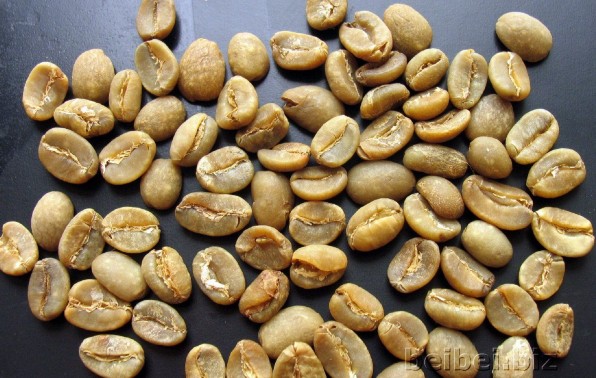
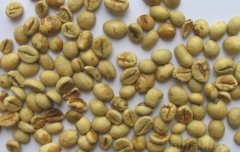
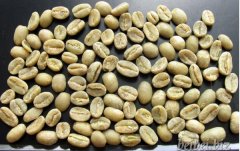
Sulawesi Kalossi coffee is a high-quality single-origin coffee grown in the Toraja highlands of Sulawesi, Indonesia. It is typically processed using the washed method and grown at elevations between 1,100 and 1,800 meters, resulting in a full-bodied cup with herbal, spicy, and dark fruit notes.
How is Sulawesi coffee different from Sumatra coffee?
Sulawesi coffee, especially from the Kalossi region, is usually washed, producing a cleaner, brighter cup with moderate acidity and complex herbal and spice notes. Sumatran coffee, particularly from Mandheling or Gayo, is often processed using the wet-hulled (Giling Basah) method, resulting in a heavier body, lower acidity, and more pronounced earthy or musty flavors.
What does Sulawesi Kalossi coffee taste like?
Sulawesi Kalossi coffee typically has a full body, low to moderate acidity, and flavors that include herbs, spices, dark fruit, and a smooth, sometimes velvety mouthfeel. It lacks the heavy earthiness often associated with other Indonesian coffees.
Where in Sulawesi is Kalossi coffee grown?
Kalossi coffee is grown in the Toraja highlands of Sulawesi, Indonesia. This region is known for its high altitudes, volcanic soils, and ideal climate for cultivating specialty-grade Arabica coffee.
Why is Sulawesi coffee less well-known than Sumatra coffee?
Sulawesi coffee, despite its quality, is less exported and marketed compared to Sumatra. Sumatra’s Mandheling and Gayo coffees, especially when processed using the wet-hulled method, have become iconic in the specialty coffee world, overshadowing Sulawesi’s washed-profile offerings like Kalossi.
Is Sulawesi coffee suitable for single-origin pour-over?
Yes, Sulawesi Kalossi coffee’s clean profile and balanced body make it an excellent choice for single-origin pour-over brewing. Its herbal and spice notes shine when brewed with methods that highlight clarity, such as V60 or Kalita Wave.
Recommended FrontStreet Beans for Exploring Sulawesi Profiles
For coffee drinkers curious about Sulawesi-style profiles, FrontStreet Coffee’s Lintong Mandheling offers a great point of comparison with its spicy, sweet, and chocolatey profile, grown in Sumatra but using a more refined processing approach than typical wet-hulled beans. While not from Sulawesi, it shares Indonesia’s signature body and complexity. For a cleaner, brighter Indonesian cup, the PWN Golden Mandheling showcases meticulous selection and a more refined cup with notes of toast, wood, and caramel—ideal if you enjoy structured Indonesian profiles. Both beans highlight the diversity within Indonesia’s coffee regions. Freshly roasted within 5 days · Orders placed before 17:00 ship the same day · Next-day delivery across most of Guangdong Province.
FrontStreet Coffee is a long-established specialty coffee roaster in Guangzhou China, selling freshly roasted beans from its own farm in Yunnan as well as dozens of carefully selected single-origin beans from around the world for both pour-over and espresso. The products deliver consistently excellent quality and great value, with shipping within 24 hours. Guangzhou's FrontStreet Coffee shop is recommended by many coffee lovers, and the beans are now available online at the Tmall 。
Important Notice :
前街咖啡 FrontStreet Coffee has moved to new addredd:
FrontStreet Coffee Address: 315,Donghua East Road,GuangZhou
Tel:020 38364473