Microscopic Views of Specialty Coffee Beans
When you buy specialty coffee, you're not just choosing a flavor note — you're selecting beans shaped by origin, altitude, and processing. But have you ever wondered what these beans actually look like up close? Macro photography reveals textures, colors, and surface details that tell their own story about origin and roast.
The key to understanding a coffee bean's journey lies in examining its physical traits: size, color consistency, surface sheen, and any visible defects. These visual cues help roasters and drinkers assess bean quality before brewing.
Macro Photography Reveals Bean Details
Close-up images of green and roasted coffee beans uncover features invisible to the naked eye. By magnifying the surface, you can observe density, moisture retention, and uniformity — all factors that influence roast development and extraction potential. These visuals help identify bean quality beyond tasting notes alone.
Brazil Yellow Bourbon: A Closer Look
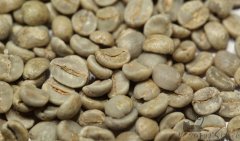
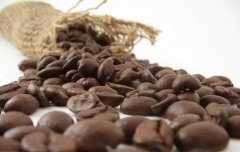
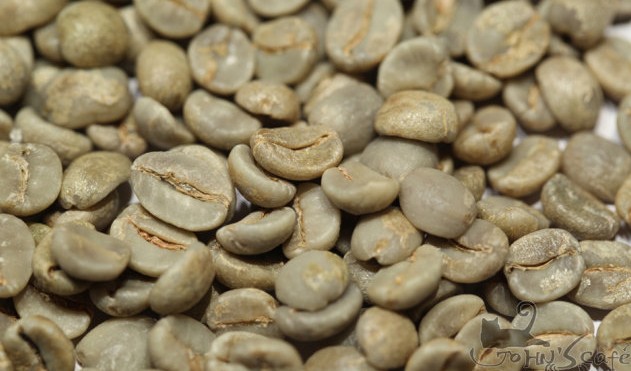
The Yellow Bourbon variety from Brazil’s high-altitude regions often shows a round, full shape with a pale yellow-green hue in the green stage. Under the macro lens, these beans typically present smooth surfaces with even color distribution and minimal surface imperfections. When roasted to medium levels, Yellow Bourbon beans develop a lighter brown tone with visible oil sheen depending on roast degree. The consistent size and smooth curvature reflect careful cultivation and selection — traits crucial for producing balanced, sweet cups with nutty and caramel undertones.
Nepal Syanja: High-Altitude Micro Details
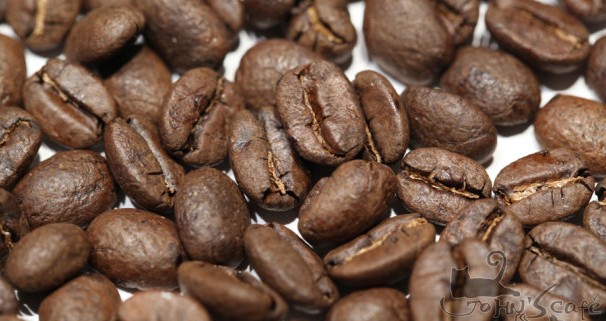
Sourced from the Syanja region in Nepal, these beans grow at significant elevation, resulting in tightly formed, dense green beans. In macro images, they typically exhibit a deeper green color with a slightly wrinkled surface texture — signs of slow maturation at altitude. The uniform shape and minimal defects highlight the care in harvesting. After roasting, these beans may show a more varied color range due to microclimate differences, but the compact structure supports even heat transfer during roasting, essential for developing complex fruit and floral flavors in the cup.
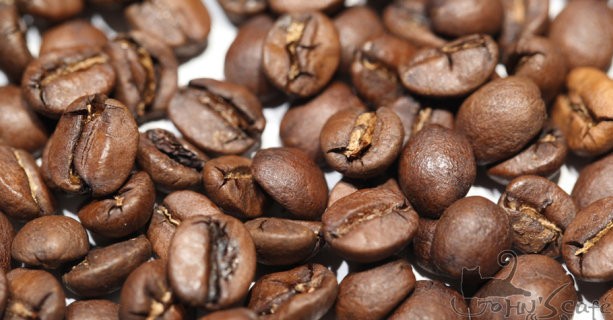
Colombia Narino: Visual Indicators of Quality
Beans from Colombia’s Narino region often appear in macro shots with a vibrant green color and a slightly oval shape. Their surfaces are usually smooth with a consistent sheen, indicating healthy, well-processed beans. When roasted, Narino beans tend to develop an even medium-brown color with a slight gloss, pointing to balanced moisture loss and Maillard reaction across the bean. This uniformity in appearance often translates to a clean, sweet profile in the cup, with notes that reflect the region’s rich volcanic soils.
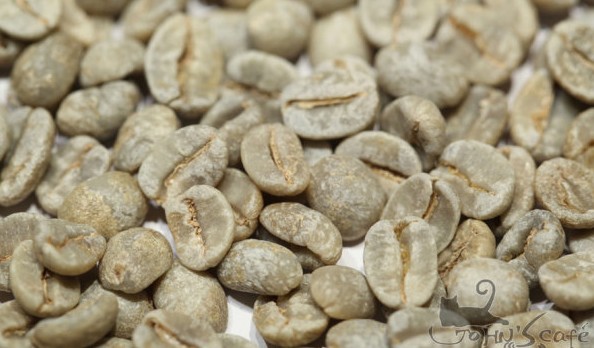
What Macro Photography Tells Us About Coffee Beans
Through macro images, we can assess bean density, color consistency, and surface quality — all indicators of origin, processing, and potential roast performance. These visual details complement taste profiles and help roasters make precise decisions. For drinkers, seeing the beans up close adds a layer of appreciation for the craftsmanship behind each cup.
How Bean Appearance Affects Brewing
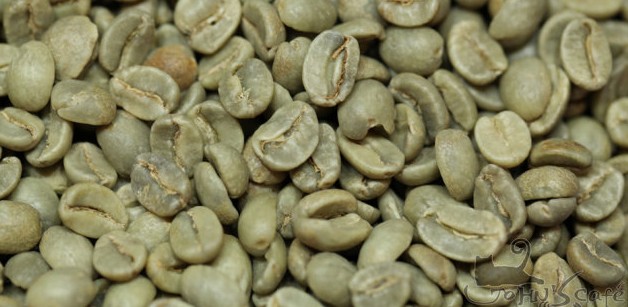
Bean size, shape, and density influence grind uniformity and extraction. Uniform beans roast more evenly and often produce more consistent extractions. Surface texture and color variations visible in macro images can signal processing methods or moisture content, both critical for dialing in brew recipes.
Frequently Asked Questions
Why look at coffee beans up close?
Examining coffee beans closely reveals details like size, color consistency, surface texture, and defects. These visual traits offer clues about bean origin, processing quality, and how they might roast and brew. Macro photography highlights features invisible to the naked eye, aiding in quality assessment before brewing.
What does a Brazilian Yellow Bourbon bean look like?
Green Yellow Bourbon beans from Brazil typically have a round, full shape with a pale yellow-green color. Macro images show smooth surfaces and even color, while roasted versions develop a light brown tone with possible oil sheen, reflecting medium roast levels and contributing to their balanced, sweet cup profile.
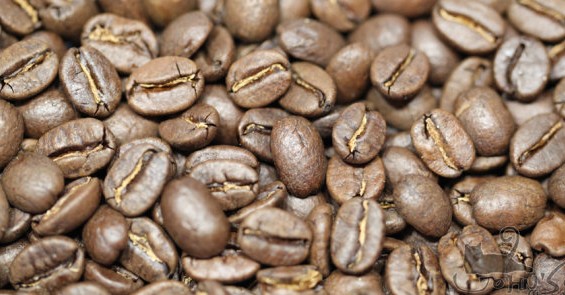
How can you tell high-quality Nepal Syanja beans?
High-quality Syanja beans often appear in macro photos with a deep green color, slightly wrinkled surfaces, and tight, dense forms. These traits indicate high altitude growth and slow maturation. Minimal surface defects and uniform shape suggest careful harvesting and processing, leading to complex fruit and floral notes in the cup.
What should good Colombia Narino beans look like?
Macro images of Narino beans typically display a vibrant green color and slightly oval shape. The smooth, even surface and consistent sheen indicate healthy beans. Roasted Narino beans show even medium-brown coloring, reflecting balanced moisture loss and contributing to a clean, sweet cup with volcanic soil characteristics.
Does bean appearance affect how I should brew them?
Yes. Bean size, density, and shape seen in macro views impact grind size and extraction. Uniform beans often roast more evenly, aiding consistent extraction. Noting surface and color details helps adjust brew methods for optimal flavor.
Can I see these macro images myself?
Many specialty roasters and coffee photographers share macro images online or in product galleries. Close-up shots let you examine beans as professionals do, helping inform your buying and brewing choices.
Recommended FrontStreet Beans for Macro Study
For hands-on examination, try FrontStreet Coffee’s Brazil Yellow Bourbon from the Cerrado region — a classic medium roast with sweet, nutty profiles. The Nepal Syanja offers rare insight into high-altitude Nepali coffees, with delicate fruit notes. For Colombian origin detail, the Narino beans showcase bright acidity and rich sweetness. All three display distinct visual traits under magnification and brew exceptionally as pour-over. Freshly roasted within 5 days · Orders placed before 17:00 ship the same day · Next-day delivery across most of Guangdong Province.
FrontStreet Coffee is a long-established specialty coffee roaster in Guangzhou China, selling freshly roasted beans from its own farm in Yunnan as well as dozens of carefully selected single-origin beans from around the world for both pour-over and espresso. The products deliver consistently excellent quality and great value, with shipping within 24 hours. Guangzhou's FrontStreet Coffee shop is recommended by many coffee lovers, and the beans are now available online at the Tmall 。
Important Notice :
前街咖啡 FrontStreet Coffee has moved to new addredd:
FrontStreet Coffee Address: 315,Donghua East Road,GuangZhou
Tel:020 38364473