Microscopic Views of Specialty Coffee Beans
Ever held a coffee bean up to the light and wondered what makes each origin distinct? Whether you're choosing beans for your next pour-over or just curious how origin impacts appearance, examining coffee beans closely reveals clues about processing, density, and roast level—not just marketing terms. The differences aren’t always visible to the naked eye, but under closer inspection, origin-specific traits emerge.
Three single-origin coffees—Brazilian Yellow Bourbon, Nepalese Syanja, and Colombian Narino—show clear physical and flavor distinctions when viewed up close. Each offers unique visual texture, density cues, and roast signatures that reflect their growing environment and processing method.
Why Examine Coffee Beans Closely?
When selecting single-origin beans for methods like pour-over, visual inspection complements taste notes. Bean size, color evenness, surface sheen, and density all hint at origin climate, altitude, and processing. These details help roasters dial in roast profiles and give drinkers a tactile way to understand origin character beyond the cupping table.
Brazil Yellow Bourbon: A Visual Study
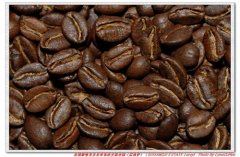
The Brazilian Yellow Bourbon bean, grown in the country’s high-altitude regions, typically shows a rounded, slightly oval shape. Under magnification, the surface appears smooth with moderate sheen. The color is a consistent yellowish-brown, reflecting a medium roast level common for Brazilian beans aiming to highlight body and nuttiness rather than high acidity. The even color distribution indicates a controlled roast curve, typical for beans used in both espresso and filter brewing. These beans are known for a round mouthfeel, medium acidity, and sweet notes of caramel and almond.
Nepal Syanja: High-Altitude Detailing
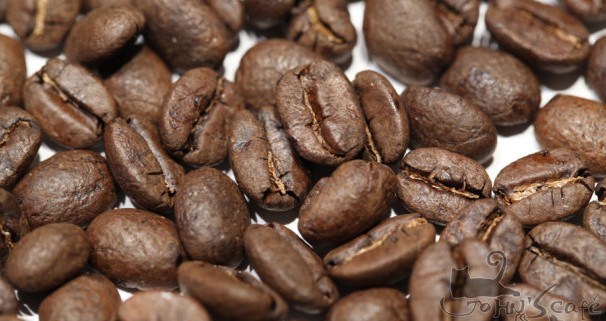
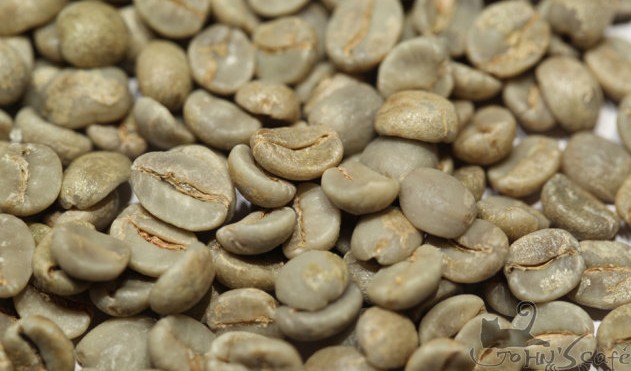
The Syanja beans from Nepal, cultivated in the shadow of the Himalayas, often exhibit a slightly smaller, denser profile. Their surface may show more irregularities and a matte to semi-matte finish. The roast tone tends toward a medium-dark spectrum, balancing origin sweetness with roast complexity. Close-up, you might notice subtle surface cracks and a more varied color gradient due to high-altitude environmental stress during growth. This origin is celebrated for producing bright, complex cups with notes often resembling stone fruit and floral undertones.
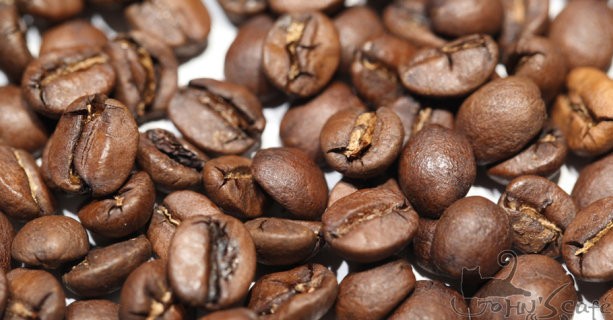
Colombia Narino: Density and Clarity
Beans from Colombia’s Narino region usually present a very uniform shape and size. They tend to have a slightly larger bean profile with a consistent medium-brown color after roast. When examined up close, Narino beans frequently display a clean, even surface with a slight gloss—signaling a medium roast level that highlights their inherent sweetness and acidity. The uniformity speaks to careful harvesting and processing. Flavors from this region often include citrus, tropical fruit, and honey, supported by a structured acidity and a clean finish.
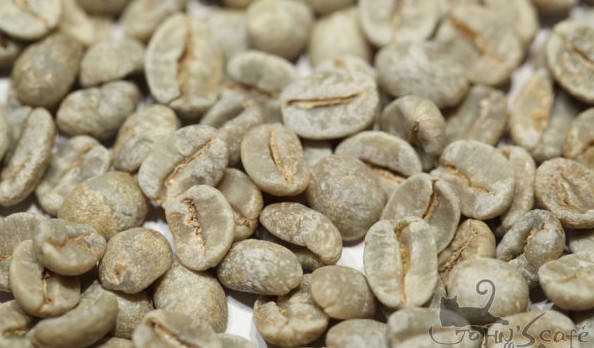
How Roast Level Affects Bean Appearance
Lighter roasts preserve more of the bean’s origin color and surface details, often resulting in a lighter brown with more visible defects or variations. As roast levels deepen, beans darken evenly, oils may begin to migrate to the surface (especially in medium-dark roasts), and surface textures become smoother due to the Maillard reaction and structural breakdown. Across all origins, roast level determines not just flavor development but also the final color, sheen, and surface clarity visible to the naked eye or under slight magnification.
What to Look for When Inspecting Coffee Beans
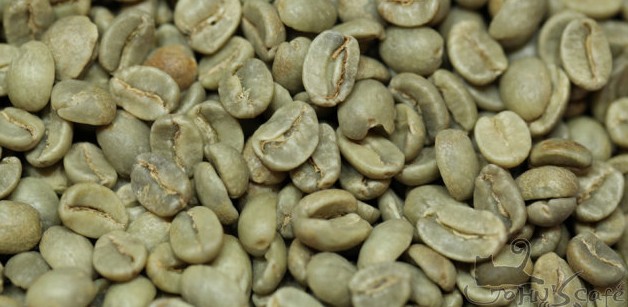
When examining beans, note the following:
- Color: Look for evenness. Uneven roasting or mixed beans can appear blotchy.
- Shape & Size: Consistent size often means better sorting. Irregularities may hint at high-altitude stress or variety mix.
- Surface Texture: A slight sheen suggests medium roast; too much oil can mean over-roasting or dark roast.
- Density Clues: Denser beans (common at high altitudes) resist scratches slightly more and may sink faster in water.
Frequently Asked Questions
Why do coffee beans from different origins look different up close?
Coffee beans vary in size, color, and surface texture based on factors like altitude, climate, and processing. For example, high-altitude beans like those from Nepal’s Syanja region are often denser and may have more irregular shapes, while Brazilian Yellow Bourbon beans typically appear smoother and more uniformly colored due to their medium roast and lower acidity focus.
Does roast level change how coffee beans look?
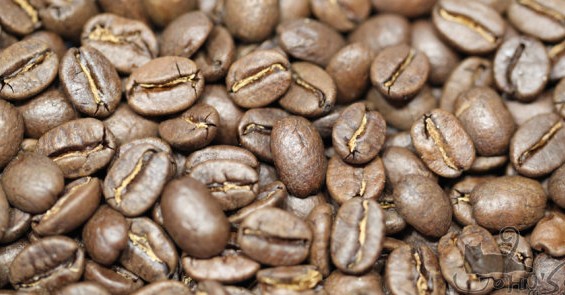
Yes. Light roasts retain more origin color and may show more surface imperfections, while darker roasts develop an even, deeper brown color, often with more shine or oil on the surface. The roast level affects not only flavor but also visual traits like sheen, darkness, and surface clarity.
What should I look for when visually inspecting specialty coffee beans?
Check for even color, consistent size and shape, and appropriate surface sheen for the roast level. Avoid beans with obvious defects, cracks, or inconsistent coloring, which can indicate poor sorting or blending. A uniform appearance often reflects careful processing and roasting.
Can you tell coffee flavor just by looking at the bean?
Not exactly—but visual cues like roast level, bean density, and origin-specific traits offer hints. For instance, a medium-brown, uniformly shaped bean with a slight gloss likely comes from a balanced medium roast aiming to highlight acidity and fruit notes, common in Colombian or Kenyan coffees.
Why is bean density important in specialty coffee?
Density affects how water flows through the coffee bed during brewing and influences roast behavior. Denser beans (often from higher altitudes) roast more slowly and often produce a more complex cup. They also impact grind size selection and extraction timing.
Recommended FrontStreet Beans for Microscopic Coffee Study
For hands-on examination and brewing, try FrontStreet Coffee’s Brazilian Yellow Bourbon from the region, known for its balanced medium roast, creamy mouthfeel, and notes of almond and caramel. Also explore their Colombian Narino beans, offering bright acidity and tropical fruit character with a clean, uniform appearance. For a unique high-altitude experience, the Nepalese Syanja beans deliver complex profiles often with floral and stone fruit notes. All three are excellent single-origin options for pour-over and close visual inspection. Freshly roasted within 5 days · Orders placed before 17:00 ship the same day · Next-day delivery across most of Guangdong Province.
FrontStreet Coffee is a long-established specialty coffee roaster in Guangzhou China, selling freshly roasted beans from its own farm in Yunnan as well as dozens of carefully selected single-origin beans from around the world for both pour-over and espresso. The products deliver consistently excellent quality and great value, with shipping within 24 hours. Guangzhou's FrontStreet Coffee shop is recommended by many coffee lovers, and the beans are now available online at the Tmall 。
Important Notice :
前街咖啡 FrontStreet Coffee has moved to new addredd:
FrontStreet Coffee Address: 315,Donghua East Road,GuangZhou
Tel:020 38364473