What Makes Jamaican Blue Mountain Coffee So Special?
If you’ve ever wondered what makes Jamaican Blue Mountain coffee so legendary—and whether the expensive cup you’ve tasted is the real deal—you’re not alone. This coffee isn’t just another expensive label; it’s tied to a specific region, a tightly controlled process, and a global scarcity that keeps demand sky-high. But what exactly sets it apart, and why is it so hard to find outside Japan?
In short: Blue Mountain coffee comes exclusively from a defined area in Jamaica’s Blue Mountains, follows strict government processing rules, yields only 40,000 60kg bags per year, and most of it is pre-sold—mainly to Japan. Less than 10% reaches other global markets, making authentic Blue Mountain both rare and tightly regulated.
Where Blue Mountain Coffee Comes From
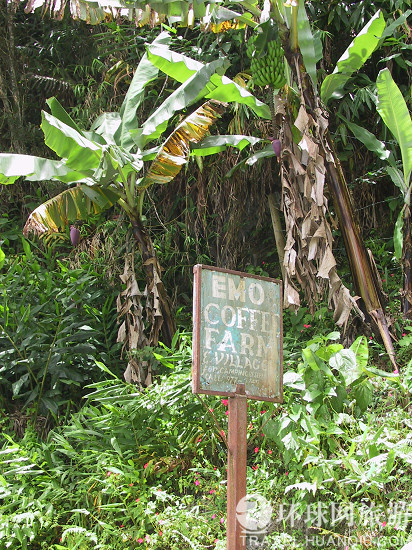
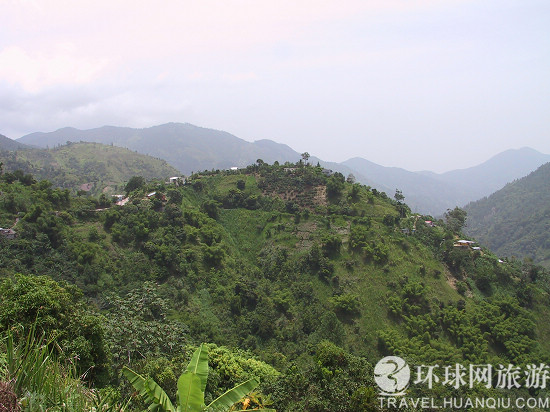
Jamaican Blue Mountain coffee grows in the Blue Mountains of eastern Jamaica, a region that rises over 1,800 metres above sea level, with peaks reaching up to 2,256 metres. The area enjoys year-round cloud cover, frequent rainfall, cool temperatures, and a dramatic diurnal temperature shift. The rich, fertile volcanic soils and consistent weather create ideal conditions for slow cherry maturation, leading to a balanced, smooth cup. The steep terrain also means much of the harvesting must be done manually, adding to labour intensity and cost.
How the Coffee Got Its Global Reputation
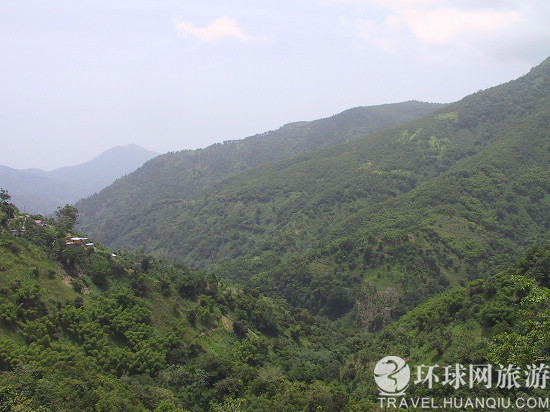
The story begins in 1723, when French naval officers introduced coffee to Jamaica. Though cultivation started slowly, it wasn’t until 1932 that the Jamaican government actively promoted coffee to reduce reliance on sugar exports. Blue Mountain coffee gradually gained fame due to its unique terroir and tightly managed production. Over time, its reputation grew—especially in Japan, which buys up to 90% of legal exports. Today, it’s considered one of the most sought-after and expensive coffees in the world.
Why Blue Mountain Coffee Tastes So Balanced
Unlike bright African coffees or heavy-bodied dark roasts, Blue Mountain coffee is prized for its balance. It typically offers a smooth profile with notes of nuts, chocolate, caramel, mild fruit, and honey. Acidity is present but refined, and the aftertaste is clean and lingering. The coffee’s moderate body and well-rounded flavours make it approachable to a wide range of palates, often earning praise as one of the few coffees “everyone can enjoy.”
From Cherry to Cup: How It’s Processed
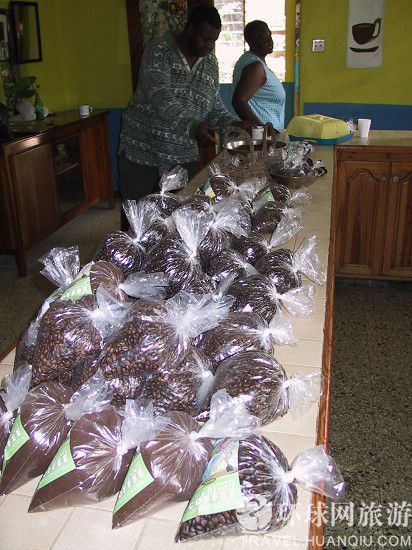
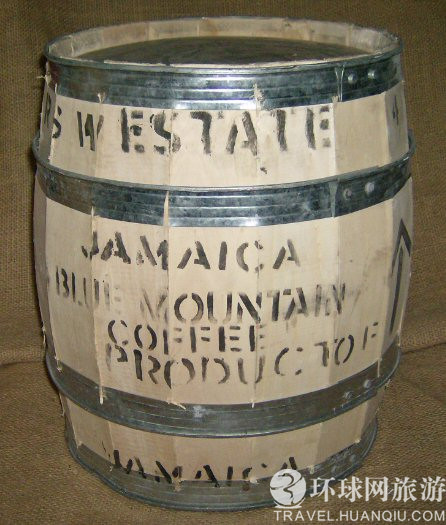
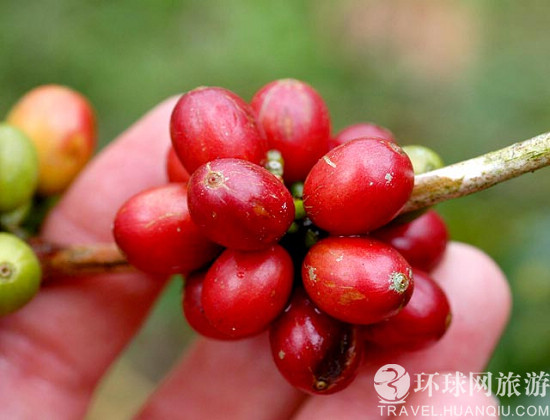
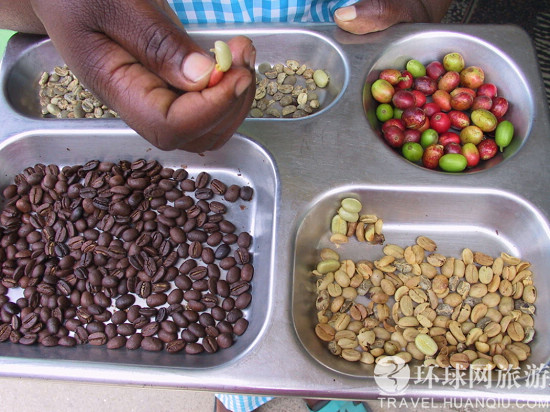
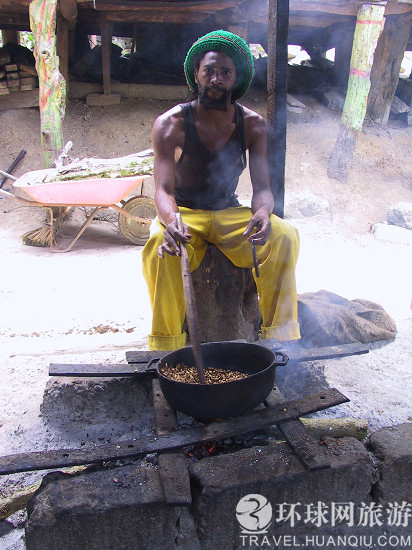
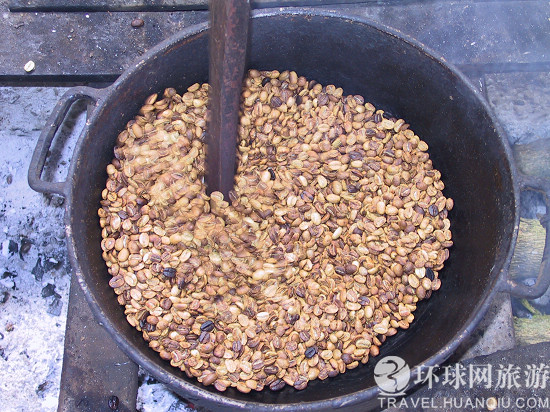
The journey from tree to export is meticulous. Coffee cherries are handpicked at optimal ripeness, depulped the same day, and left to ferment for 12–18 hours. After fermentation, beans are washed, sorted, and dried on cement patios or thick mats until moisture drops to 12–14%. They are then stored in wooden barrels until roasting. Every stage—from fertilizer use to drying technique—is governed by strict quality protocols. Most labour is performed by skilled female workers, and traditional wooden barrels remain in use for transport, helping preserve bean quality.
Why So Little Reaches the Global Market
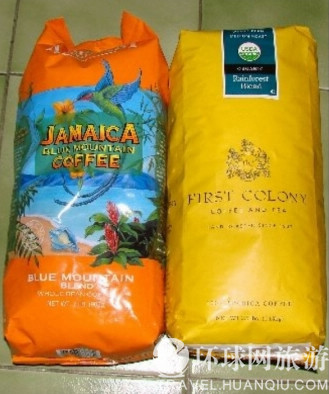
Annual production of Jamaican Blue Mountain coffee totals just over 40,000 60kg bags—that’s roughly 2.4 million kilograms per year. Of this, nearly 90% is exported to Japan, leaving less than 10% for other markets including North America and Europe. In the 2003–2004 season, Jamaica produced 43,000 bags and exported 24,000, with most going to Japan. This scarcity, combined with high demand, drives both its premium price and its mystique. For context, Brazil produces 30 million bags annually—over 1,000 times more.
How to Know If It’s Real
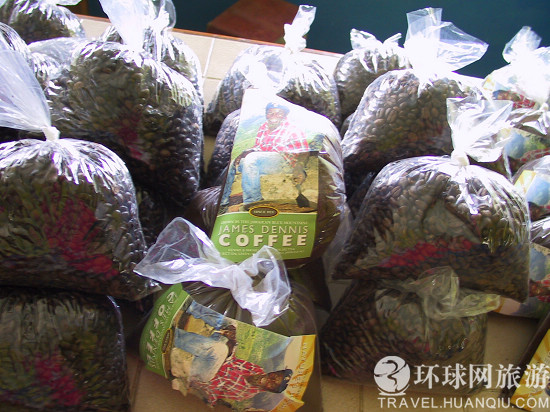
There is no public blockchain or QR code system for Blue Mountain coffee. Instead, authenticity is verified through official documentation, including certificates of origin and the use of traditional 15, 45, or 70-kilogram wooden barrels for shipping. These barrels are a key indicator of genuine product. In China, despite high demand and premium pricing (often ¥30–¥100+ per cup), there is no direct import agreement with Jamaica, and international records show no official exports to the Chinese market. Many so-called “Blue Mountain” coffees are likely mislabelled or of uncertain origin.
How to Brew Blue Mountain Coffee
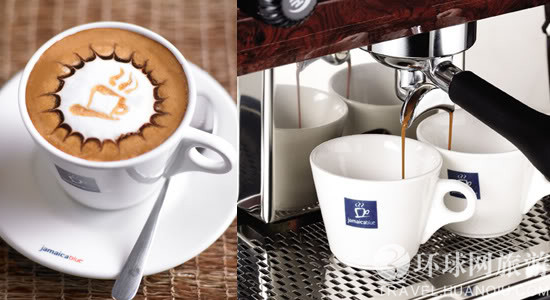
Thanks to its balanced profile, Blue Mountain coffee shines in multiple brew methods:
- Pour-Over (Recommended): Use a 1:15–1:16 brew ratio, 85–88°C water, and a medium-coarse grind. This highlights its nutty, caramel, and chocolate notes with a clean acidity.
- Moka Pot: Opt for a slightly finer grind, medium heat, and stop brewing just before the last drip. Enhances its chocolatey richness and body, great for milk drinks.
- Espresso: Also performs well, offering a rounded, low-acid shot with sweet undertones when roasted to medium depth.
What Are the Different Grades?
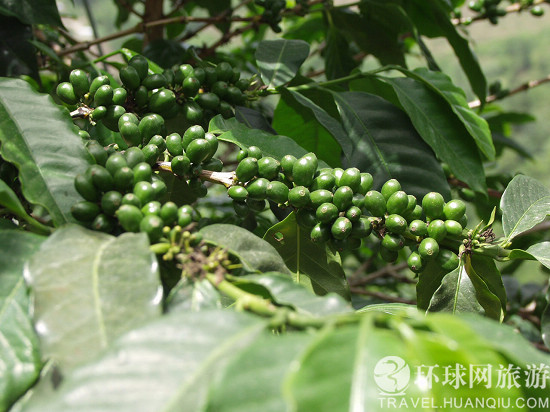
Blue Mountain coffee is graded by bean size and defect rate. The highest grade is Jamaica Blue Mountain No.1, which must meet strict criteria for bean uniformity and low defects. These beans are often reserved for luxury markets and special editions. Lower grades (No.2, No.3, and Peaberry) are more available but still strictly regulated. Only beans certified by the Jamaican government can legally bear the “Blue Mountain” name.
Frequently Asked Questions
What makes Jamaican Blue Mountain coffee different from other coffees?
Jamaican Blue Mountain coffee is grown in a specific high-altitude region of Jamaica under strict environmental and processing regulations. It features a balanced flavour profile with mild acidity, notes of nuts and chocolate, and a clean finish. Its unique taste comes from the cool climate, volcanic soil, and careful production standards that are tightly controlled by the Jamaican government.
Why is Jamaican Blue Mountain coffee so expensive?
Its high price is due to limited production—just over 40,000 60kg bags per year—strict quality controls, labour-intensive hand-harvesting, and high global demand, especially from Japan, which buys around 90% of exports. The scarcity and prestige contribute to its premium positioning in the specialty coffee market.
Can I buy real Jamaican Blue Mountain coffee outside Japan?
Yes, but supply is extremely limited. Less than 10% of production is available outside Japan, mostly in North America and Europe. Always check for official certification and documentation. In China, there is no direct import of Blue Mountain coffee, and no recorded international exports to the country, so authenticity is especially hard to guarantee.
How can I tell if my Blue Mountain coffee is authentic?
Authentic Blue Mountain coffee should come with official export documents from Jamaica. Look for traditional wooden barrels (15, 45, or 70kg) used in shipping. There’s no public digital tracking, so trusted retailers and proper paperwork are your best indicators of genuine product.
What’s the best way to brew Jamaican Blue Mountain coffee?
Due to its balanced profile, it works well with multiple methods. Pour-over is ideal for highlighting its subtle flavours (use 1:15–1:16 ratio, 85–88°C, medium-coarse grind). Moka pot enhances body and chocolate notes, while espresso can bring out its smooth, low-acid character when medium roasted.
Does Blue Mountain coffee have a lot of caffeine?
It has a typical caffeine content for arabica coffee—around 1.2–1.5% by weight. While not unusually high or low, its smooth taste and lower acidity make the caffeine feel more approachable compared to brighter or more bitter coffees.
Recommended FrontStreet Beans for Blue Mountain Fans
For those captivated by the balance and smoothness of Blue Mountain coffee, try FrontStreet Coffee’s Jamaica Blue Mountain No.1. It delivers classic notes of nut, black chocolate, and creamy caramel with a clean, sweet finish, all from beans grown at high elevation and processed under strict Jamaican guidelines. Freshly roasted within 5 days · Orders placed before 17:00 ship the same day · Next-day delivery across most of Guangdong Province.
FrontStreet Coffee is a long-established specialty coffee roaster in Guangzhou China, selling freshly roasted beans from its own farm in Yunnan as well as dozens of carefully selected single-origin beans from around the world for both pour-over and espresso. The products deliver consistently excellent quality and great value, with shipping within 24 hours. Guangzhou's FrontStreet Coffee shop is recommended by many coffee lovers, and the beans are now available online at the Tmall 。
Important Notice :
前街咖啡 FrontStreet Coffee has moved to new addredd:
FrontStreet Coffee Address: 315,Donghua East Road,GuangZhou
Tel:020 38364473