What Makes Jamaican Blue Mountain Coffee So Special?
If you’ve ever wondered what makes Jamaican Blue Mountain coffee so legendary — and why a small bag costs nearly $7 in its homeland — you’re not alone. This isn’t just another expensive coffee trend. There’s real history, strict quality control, and unique growing conditions behind every cup.
Jamaica produces less than 50,000 60kg bags of coffee annually, and only around 40,000 of those are Blue Mountain — with up to 90% of exports going to Japan. That scarcity, along with exacting production rules, is why true Blue Mountain coffee remains one of the most sought-after and expensive coffees in the world.
What Is Blue Mountain Coffee?
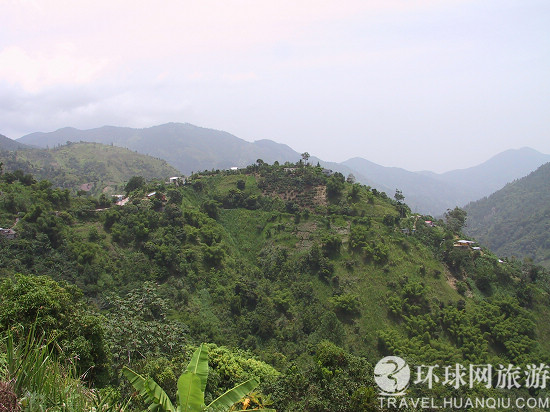
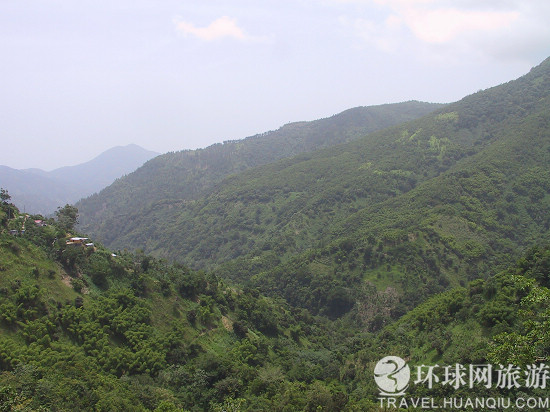
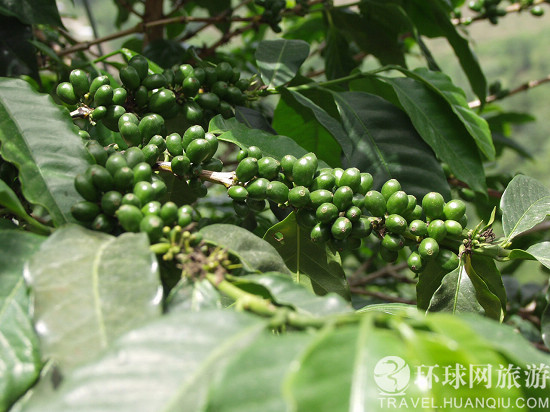
Not all coffee grown in Jamaica qualifies as Blue Mountain coffee. Officially, only beans grown within a specific region of the Blue Mountains — a rugged, high-altitude area in eastern Jamaica — and certified by the Jamaican government can carry the “Jamaica Blue Mountain Coffee” label. The Blue Mountains rise over 2,256 meters, with most coffee grown between 1,200 and 1,800 meters.
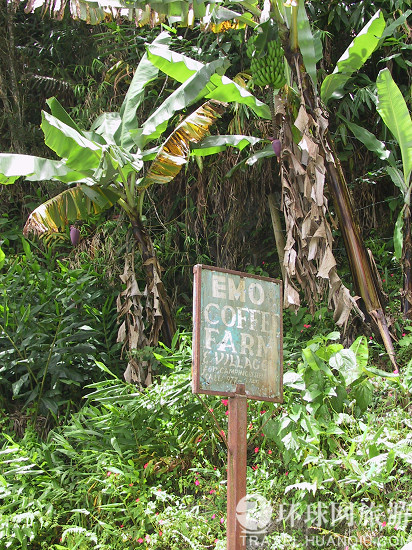
The region is known for its fertile volcanic soil, frequent cloud cover, cool temperatures, and consistent rainfall. These factors slow coffee cherry ripening, allowing complex flavors to develop while maintaining a smooth, balanced profile.
Why Is Blue Mountain Coffee So Expensive and Rare?
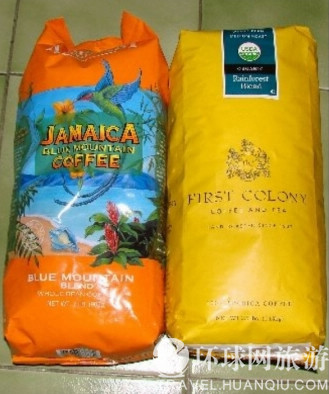
Annual global production of Blue Mountain coffee is under 2,500 metric tons, a tiny fraction of worldwide output. Jamaica produces roughly 40,000 60kg bags per year (about 2.4 million kg), yet only about 24,000 bags (1.4 million kg) were exported in the 2003–2004 season — nearly 90% of which went to Japan. China has no official import record, despite rising domestic demand.
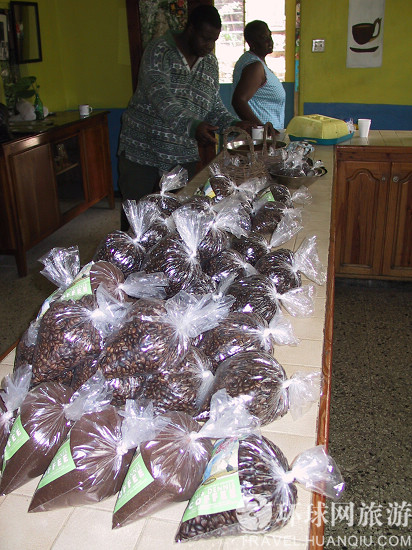
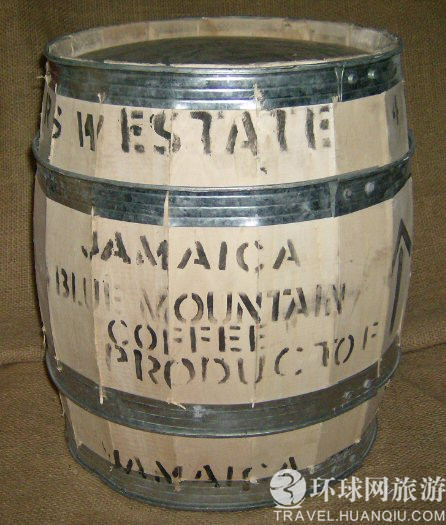
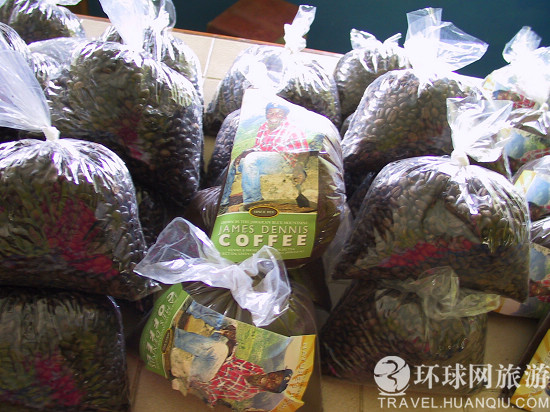
The Jamaican government enforces strict quality controls and limits production to protect the Blue Mountain name. Unlike mass-market producers, Jamaica prioritizes quality over volume. The coffee is still transported in traditional wooden barrels (15kg, 45kg, or 70kg), a practice almost unique today. In local markets, a 114g (4 oz) package can cost nearly $7.
How Is Blue Mountain Coffee Grown and Processed?
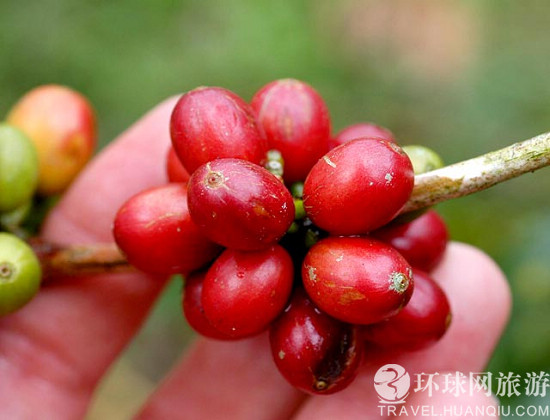
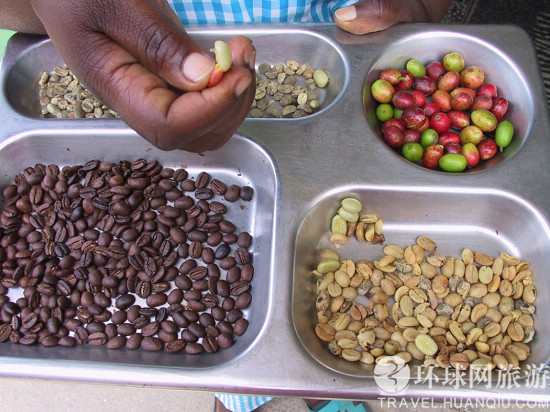
Every step of Blue Mountain coffee production follows precise guidelines. The coffee grows on steep, hard-to-reach hillsides, and skilled female workers handpick only perfectly ripe cherries. The beans are depulped the same day, then fermented for 12–18 hours before being washed and sorted.
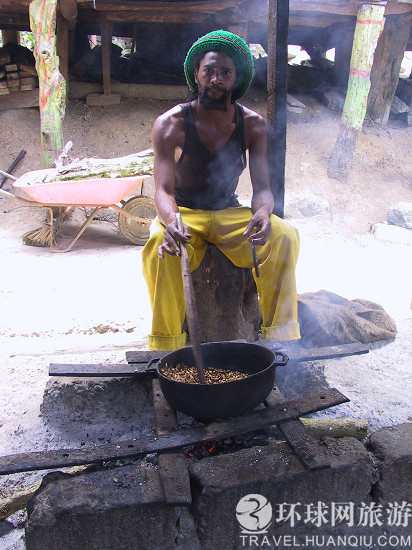
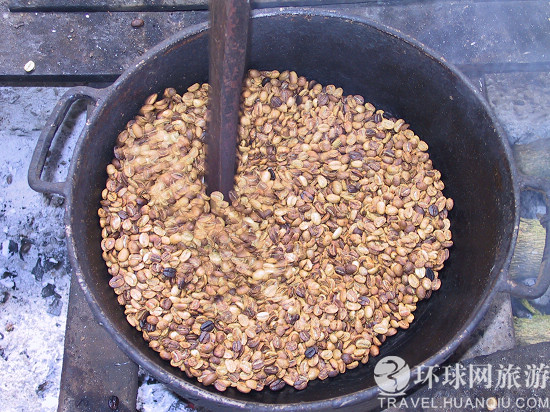
Next, the beans are dried on concrete or thick mats until their moisture content drops to 12–14%. They’re stored in special warehouses before roasting. Any mistake in fermentation, drying, or storage can ruin the final cup. The process is labor-intensive and requires exact timing and handling — much of it still done manually.
What Does Blue Mountain Coffee Taste Like?
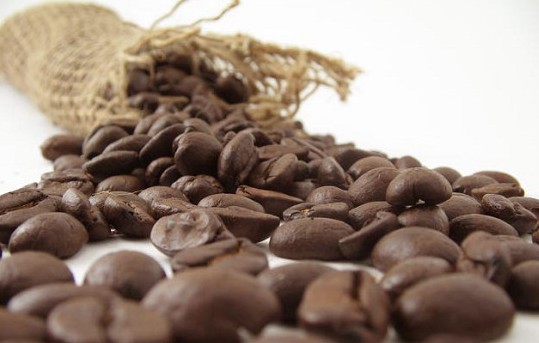
True Blue Mountain coffee is famous for its balance. It avoids the extreme acidity of some African coffees or the heavy bitterness of dark roasts. Instead, it offers a smooth, well-rounded profile with notes of nuts, chocolate, caramel, honey, mild fruit, and sometimes floral hints.
The cup is clean, sweet, and medium-bodied, with a soft acidity and a long, pleasant finish. That balance is why many coffee professionals consider it one of the most accessible and enjoyable high-end coffees in the world.
How Should You Brew Blue Mountain Coffee?
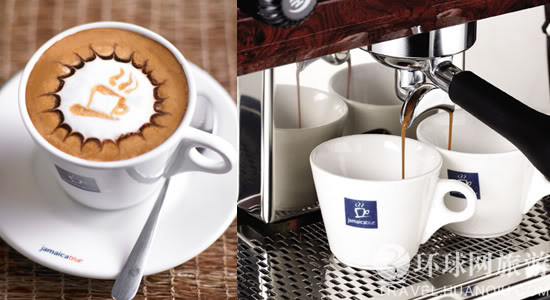
Thanks to its balanced profile, Blue Mountain coffee shines in multiple brew methods. For pour-over, use a medium-coarse grind, 1:15–1:16 brew ratio, and water at 85–88°C to highlight its nutty, caramel, and creamy qualities. A moka pot (with slightly finer grind) enhances its chocolatey and nutty notes, especially in milk-based drinks. Avoid over-roasting; a medium-dark roast preserves its hallmark balance.
Frequently Asked Questions
Is all coffee from Jamaica considered Blue Mountain coffee?
No. Only coffee grown in the designated Blue Mountain region of Jamaica and certified by the Jamaican government can be called Jamaica Blue Mountain Coffee. Other Jamaican coffees, even if high-quality, aren’t allowed to use the Blue Mountain name.
Why is Blue Mountain coffee so hard to find?
Blue Mountain coffee production is extremely limited — Jamaica produces less than 50,000 60kg bags a year, and only about 40,000 of those qualify as Blue Mountain. Most of the exportable crop goes to Japan, with very little reaching other markets. China, for example, has no official import records despite high demand.
How can I tell if Blue Mountain coffee is real?
True Blue Mountain coffee comes in traditional wooden barrels (15kg, 45kg, or 70kg) and includes official certification. In markets like Japan and now China, reputable sellers provide documentation. If your “Blue Mountain” comes in a standard jute bag or lacks verifiable certification, it’s likely not genuine.
What’s the best way to brew Blue Mountain coffee at home?
Because of its balanced flavor, Blue Mountain works well with multiple methods. For pour-over, aim for a 1:15–1:16 brew ratio with medium-coarse grind and 85–88°C water. A moka pot or even espresso can also work, though medium-dark roasts best preserve its inherent balance.
Does Blue Mountain coffee actually taste better than other specialty coffees?
“Better” is subjective, but Blue Mountain is celebrated for its exceptional balance — no harsh acidity, no overpowering bitterness. It’s often described as one of the most universally likable high-end coffees, with notes of nuts, chocolate, caramel, and mild fruit.
FrontStreet Coffee Beans Similar to Blue Mountain Style
While FrontStreet doesn’t sell Blue Mountain, their Jamaica Blue Mountain No.1 is a certified single origin with the same balanced profile: notes of nuts, black chocolate, and creamy caramel. For something comparable in smoothness, try their Ethiopia Humbera — bright yet sweet, with floral and citrus tones. Or explore their PWN Golden Mandheling, a classic Indonesian bean with low acidity and rich body. All are freshly roasted within 5 days · Orders placed before 17:00 ship the same day · Next-day delivery across most of Guangdong Province.
FrontStreet Coffee is a long-established specialty coffee roaster in Guangzhou China, selling freshly roasted beans from its own farm in Yunnan as well as dozens of carefully selected single-origin beans from around the world for both pour-over and espresso. The products deliver consistently excellent quality and great value, with shipping within 24 hours. Guangzhou's FrontStreet Coffee shop is recommended by many coffee lovers, and the beans are now available online at the Tmall 。
Important Notice :
前街咖啡 FrontStreet Coffee has moved to new addredd:
FrontStreet Coffee Address: 315,Donghua East Road,GuangZhou
Tel:020 38364473