What Makes Jamaican Blue Mountain Coffee So Special?
Ever wondered why Jamaican Blue Mountain coffee commands such legendary status—and such steep prices—even in its home country? If you’ve heard tales of its smooth yet complex taste, or seen its sky-high cost in specialty shops, you’re not alone. Many coffee lovers dream of trying the real thing, but few know what makes it truly unique—or whether they’ve ever had the genuine article.
Jamaican Blue Mountain coffee is renowned for its mild, balanced flavor with medium acidity, sweet undertones, and almost no bitterness. Only coffee grown at high elevations in the designated Blue Mountain region of Jamaica, processed under strict quality controls, and certified by the Jamaican government can carry the official 'Jamaica Blue Mountain' label.
Where Blue Mountain Coffee Comes From
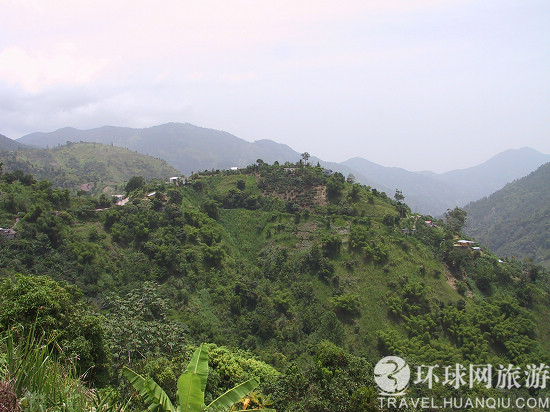
The Blue Mountains of Jamaica rise over 2,256 meters (7,402 feet) at their highest point, though most coffee grows between 1,200 and 1,700 meters. The region’s climate—marked by cool temperatures, frequent cloud cover, high rainfall, and volcanic soil—creates near-perfect conditions for growing coffee. The thick morning fog protects the trees from harsh sun, while large diurnal temperature shifts slow cherry maturation, allowing complex sugars to develop. These factors combine to produce a coffee that’s famously smooth and well-balanced.
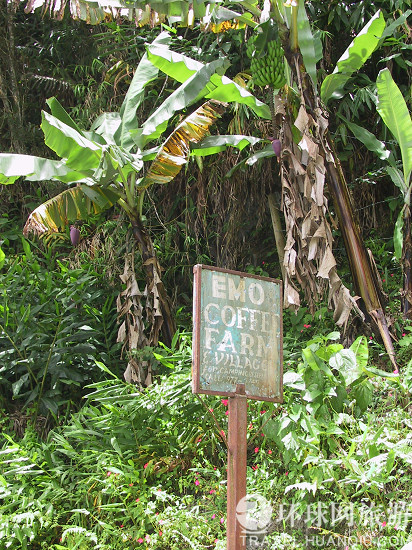
How Blue Mountain Coffee Is Made
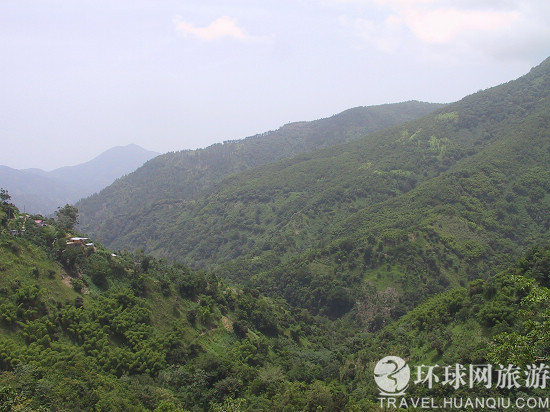
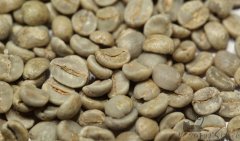
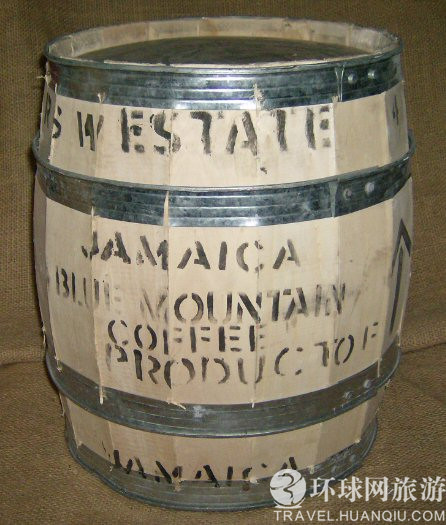
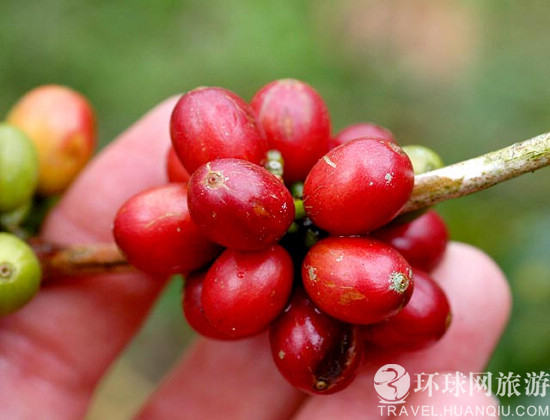
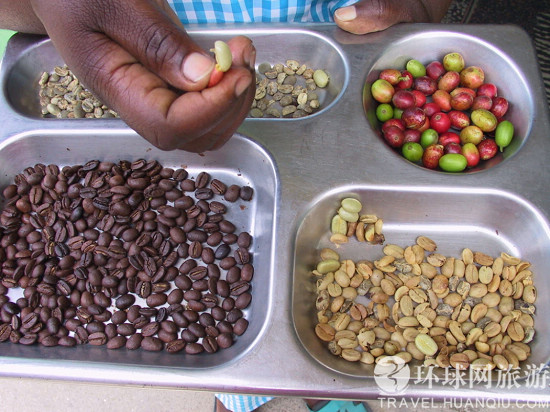
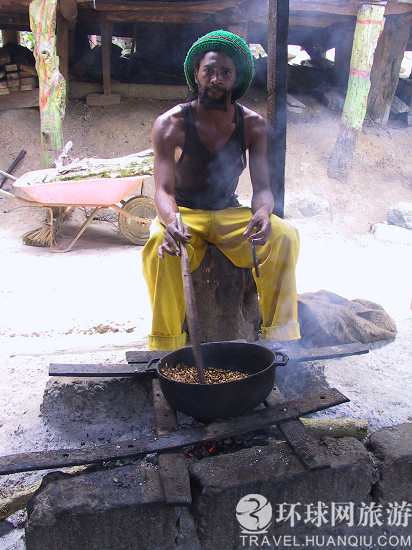
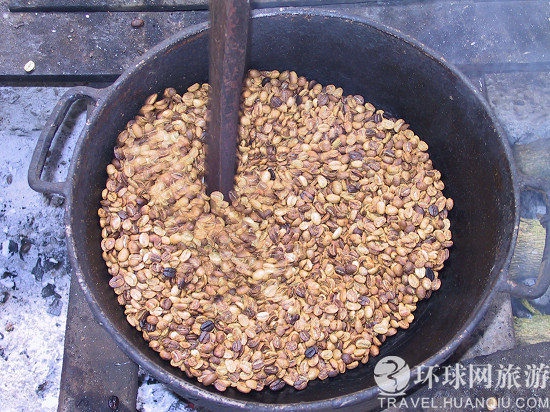
Blue Mountain coffee isn’t just about where it’s grown—it’s about how it’s made. Every step, from planting to roasting, follows strict guidelines. Coffee is planted on steep hillsides, often requiring skilled labor for harvesting. Only perfectly ripe cherries are picked. After harvest, the beans are depulped the same day, fermented for 12 to 18 hours, then washed and sorted. Drying happens on concrete patios or thick mats until moisture levels reach 12–14%. Finally, beans are stored in barrels before roasting. Most producers still ship the green beans in traditional 15-, 45-, or 70-kilogram wooden barrels—a rarity in today’s global coffee trade.
Why Blue Mountain Coffee Is So Rare and Expensive
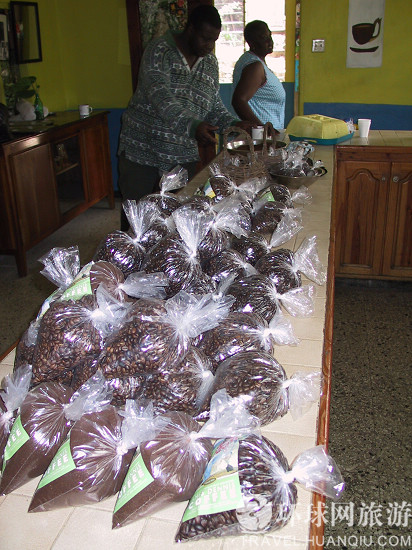
Jamaica produces only about 40,000 60-kg bags of coffee annually, and just a fraction of that—roughly 24,000 bags in the 2003–2004 season—is Blue Mountain. Of those, nearly 90% historically went to Japan, with smaller amounts sent to the U.S. and Europe. The limited growing area (primarily in the parishes of St. Andrew, St. Thomas, Portland, and St. Mary), combined with strict yield controls prioritizing quality over quantity, keeps supply extremely tight. In 2003–2004, Jamaica produced 43,000 bags total but exported only 24,000. A single 114-gram (4-ounce) bag can cost around $7 USD in Jamaica. With such low global availability, it’s no surprise prices remain high—and counterfeit versions abound.
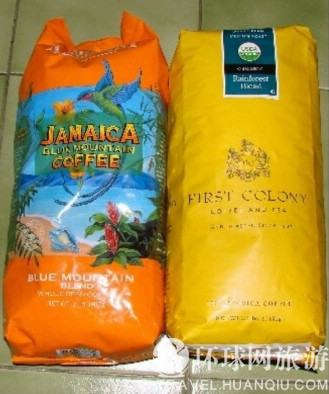
What Real Blue Mountain Coffee Tastes Like
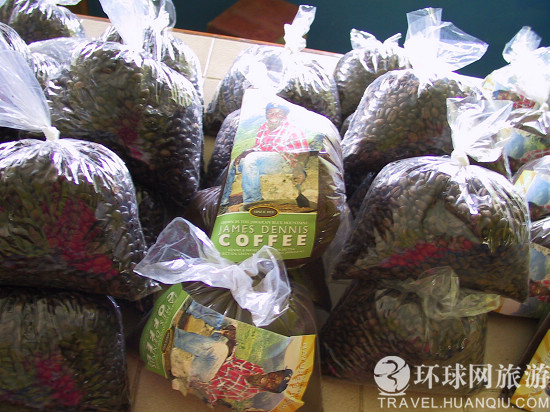
True Jamaican Blue Mountain coffee is known for its exceptional balance. Unlike bright Ethiopian coffees or bold dark roasts, Blue Mountain offers a smooth, rounded profile with subtle sweetness, medium acidity, and virtually no harsh bitterness. Flavors often include notes of nuts, chocolate, caramel, honey, mild fruit, and sometimes floral or herbal undertones. The cup is clean, silky, and approachable—traits that have made it a favorite among coffee professionals and new drinkers alike. It’s less about single dominant flavors and more about a harmonious, refined experience.
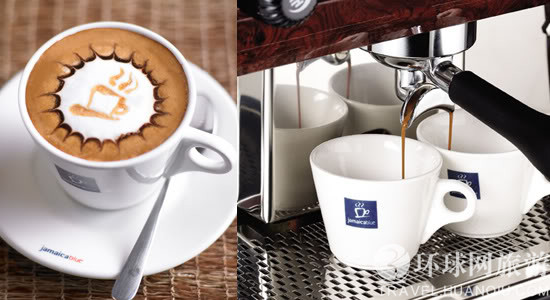
How to Identify Authentic Blue Mountain Coffee
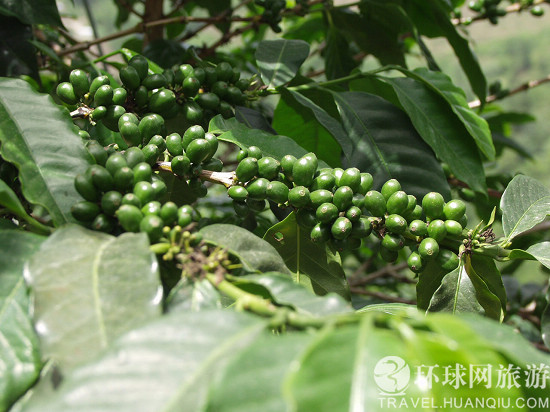
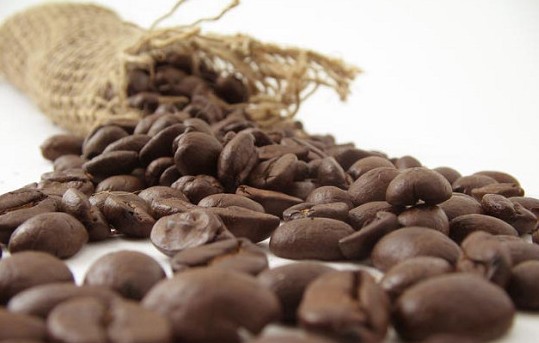
Because of its prestige, many sellers claim to offer 'Blue Mountain coffee' that isn’t the real thing. True Jamaican Blue Mountain coffee must come from the designated region and be certified by Jamaican authorities. Look for documentation from the importer proving origin, or check for traditional wooden barrels (typically 15, 45, or 70 kg)—a key sign of authenticity. There’s no public digital traceability system, but reputable sellers will provide certificates of origin and physical proof of barrel use. In China, no direct imports from Jamaica have been recorded, and international bodies have no record of Blue Mountain coffee being officially exported there, raising doubts about many local offerings.
Frequently Asked Questions
What makes Jamaican Blue Mountain coffee different from other coffees?
Jamaican Blue Mountain coffee is grown in a specific high-elevation region of Jamaica with unique climate and soil conditions that create a smooth, balanced cup with medium acidity, low bitterness, and notes of nuts, chocolate, and fruit. It’s also produced under strict quality controls and certified by the Jamaican government, ensuring origin and processing standards that most other coffees don’t have.
Why is Jamaican Blue Mountain coffee so expensive?
The high price is due to limited production—Jamaica only grows about 40,000 60-kg bags of coffee per year, with just 24,000+ of those being Blue Mountain—and strict yield controls. Most of the crop is exported, especially to Japan, leaving little for other markets. The combination of scarcity, labor-intensive processing, and certification adds to the cost.
Where is Jamaican Blue Mountain coffee grown?
It’s grown in the Blue Mountains of eastern Jamaica, primarily in the parishes of St. Andrew, St. Thomas, Portland, and St. Mary. The coffee is cultivated at elevations between 1,200 and 1,700 meters, with some farms reaching up to 2,256 meters at the highest peaks.
How can I tell if my Blue Mountain coffee is real?
Real Jamaican Blue Mountain coffee must be certified by Jamaican authorities and grown in the designated Blue Mountain region. Look for documentation from the importer or seller showing origin. Traditional 15-, 45-, or 70-kg wooden barrels are also a strong indicator of authentic green beans. Be cautious of sellers without proof of origin or certification.
What does Jamaican Blue Mountain coffee taste like?
It has a mild, smooth flavor with medium acidity and low bitterness. Common tasting notes include nuts, chocolate, caramel, honey, mild fruit, and floral hints. The cup is well-balanced, clean, and easy to drink, with a silky mouthfeel and long, pleasant finish.
Can I buy real Jamaican Blue Mountain coffee in China?
There is no official record of direct Jamaican Blue Mountain coffee imports into China, and international coffee organizations report no exports to China. Many coffees sold as 'Blue Mountain' in China are likely not the genuine product. Always check for certification and origin documentation before purchasing.
Recommended FrontStreet Beans for Blue Mountain Fans
If you’re drawn to the balanced profile of Jamaican Blue Mountain coffee, try FrontStreet Coffee’s Jamaica Blue Mountain No.1. It delivers the same smooth, low-acidity cup with notes of nuts, chocolate, and caramel. For something similar in balance but with more fruit brightness, their Ethiopia Humbera offers floral and citrus layers with a clean finish. Or explore Panama Humbera for a heavier body and tropical sweetness, also well-suited to those who enjoy refined, complex coffees. Freshly roasted within 5 days · Orders placed before 17:00 ship the same day · Next-day delivery across most of Guangdong Province.
FrontStreet Coffee is a long-established specialty coffee roaster in Guangzhou China, selling freshly roasted beans from its own farm in Yunnan as well as dozens of carefully selected single-origin beans from around the world for both pour-over and espresso. The products deliver consistently excellent quality and great value, with shipping within 24 hours. Guangzhou's FrontStreet Coffee shop is recommended by many coffee lovers, and the beans are now available online at the Tmall 。
Important Notice :
前街咖啡 FrontStreet Coffee has moved to new addredd:
FrontStreet Coffee Address: 315,Donghua East Road,GuangZhou
Tel:020 38364473