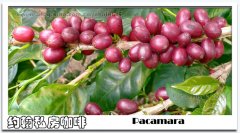
What’s Inside a Coffee Bean? The Whole Specialty Story
Ever wondered why two cups of coffee can taste completely different—even when both are labeled 'premium'? The truth lies far beyond marketing. It’s hidden in the bean’s species, where it grew, how it was roasted, and how you brewed it. Every decision, from farm to cup, changes the outcome. Let’s break down how that tiny green seed becomes your morning ritual.
In short: There are three main coffee species—Arabica, Robusta, and Liberica—with Arabica making up most specialty coffee due to its complex flavors. Altitude, roast level, grind size, and brewing method all critically shape flavor. For best results, drink freshly roasted coffee within two weeks and match your grind and brew method to the roast.
The Big Three: Arabica, Robusta, and Liberica
Coffee aficionados classify beans into three primary species, though the Coffea genus includes around 40 plants. The most common is Robusta (60–70% of global production), a lowland-growing, high-yield, disease-resistant bean with intense caffeine content. It’s widely used in instant and canned coffee for its strong, bitter profile. Arabica, on the other hand, is the crown jewel of specialty coffee. Grown at higher elevations, it’s more delicate, nuanced, and prone to disease—historically devastating entire crops, like in 19th-century Sri Lanka. Liberica is the rarest, seldom seen outside niche circles or research, with milder flavors and little commercial appeal.
Why Altitude Matters: The Highlands Advantage
Among the coffee species, Arabica is king in specialty circles—and much of that comes down to altitude. Higher elevation means cooler temperatures, which slow the ripening process. This allows coffee cherries to develop more fully, producing denser beans that roast more evenly and express more complex flavors. In Central and South America, coffee quality is often graded solely by altitude. Specialty coffee, by definition, comes from high-altitude regions. Certifications like USDA Organic, Rainforest Alliance, and Fair Trade further define quality beyond just growing elevation.
Roast: Where Flavor Really Develops
Roasting is where a coffee bean’s hidden potential is unlocked. While green beans carry subtle aromatics, it takes heat to reveal their true character. Experts estimate that 80% of a coffee’s flavor comes from the bean itself, and 20% from how it’s roasted. There are three main roast levels: light, medium, and dark. Each suits different beans and flavor goals. Light roasts preserve acidity and origin traits; dark roasts enhance bitterness and body, masking origin characteristics but balancing high acidity. The tricky part? Knowing exactly when to stop roasting. That depends on closely monitoring the beans’ color, aroma, cracking sounds, surface sheen, and temperature—skills built through experience. Whatever the roast, coffee is best consumed within two weeks of roasting for peak freshness.
Brewing Science: Grind Size and Extraction Methods
Once roasted, coffee must be ground and brewed—and here, precision matters. The grind size determines which brewing method works best:
- Fine grind: Used for espresso machines and moka pots. Brewed quickly with 90°C water.
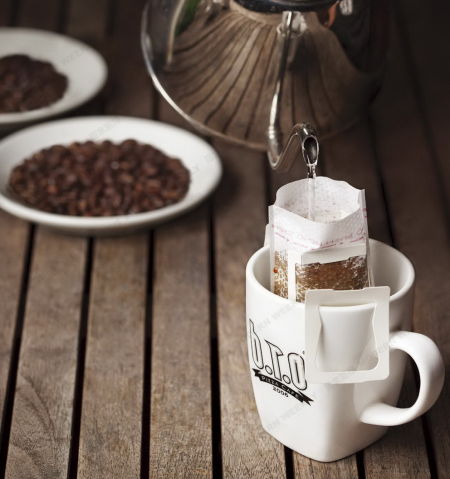
- Medium grind: Ideal for home brewers using hand drippers, pour-over cones, siphon pots, or drip machines. Water temp should be 85–90°C; pre-warming gear enhances aroma.
- Coarse grind: Best for French press. Extraction takes the longest, also at 85–90°C.
All coffee contains both acidity and bitterness. Lighter roasts lean acidic; darker roasts bring out more bitterness. Balancing these elements is part of the craft.
Frequently Asked Questions
What are the three main coffee species?
The primary coffee species are Arabica, Robusta, and Liberica. Arabica is known for its complex flavors and is dominant in specialty coffee. Robusta is hardy, high in caffeine, and mostly used in commercial and instant coffee. Liberica is rare, with mild flavor, and is generally limited to niche or research markets.
Does altitude really affect coffee flavor?
Yes. Higher altitudes result in cooler temperatures, which slow cherry ripening. This leads to denser beans with more developed flavors. Most specialty coffee comes from high-altitude regions, and elevation is a key quality indicator in countries like Colombia and Guatemala.
How does roast level influence taste?
Light roasts preserve the bean’s natural acidity and origin characteristics. Medium roasts balance acidity and body. Dark roasts boost bitterness and body but can mask the bean’s origin profile. The roast level determines which flavors are emphasized or muted in the cup.
What’s the best grind size for different brewing methods?
Use a fine grind for espresso and moka pots, medium for pour-over, drip, and siphon methods, and coarse for French press. Matching grind size to brew method ensures proper extraction and flavor balance.
How long is coffee fresh after roasting?
Coffee is at its best within two weeks of roasting. After that, flavor and aroma degrade significantly, regardless of roast quality or bean origin.
Which certifications indicate high-quality coffee?
Look for USDA Organic, Rainforest Alliance, and Fair Trade certifications. While not directly related to taste, they indicate responsible farming practices and add to the overall quality assurance of the coffee.
Recommended FrontStreet Beans for Home Brewing
For exploring specialty coffee at home, start with FrontStreet’s Brazil Queen Manor (red bourbon, medium roast)—offering creamy texture, mild acidity, and notes of nuts and caramel. The Colombia Huila Sidra (washed, medium) brings tropical fruits, sweetness, and juicy body. For something earthier, try the Lintong Mandheling (medium-dark), with notes of toast, herbs, and dark chocolate. All three are ideal for pour-over, French press, or espresso. Freshly roasted within 5 days · Orders placed before 17:00 ship the same day · Next-day delivery across most of Guangdong Province.
FrontStreet Coffee is a long-established specialty coffee roaster in Guangzhou China, selling freshly roasted beans from its own farm in Yunnan as well as dozens of carefully selected single-origin beans from around the world for both pour-over and espresso. The products deliver consistently excellent quality and great value, with shipping within 24 hours. Guangzhou's FrontStreet Coffee shop is recommended by many coffee lovers, and the beans are now available online at the Tmall 。
Important Notice :
前街咖啡 FrontStreet Coffee has moved to new addredd:
FrontStreet Coffee Address: 315,Donghua East Road,GuangZhou
Tel:020 38364473