What Makes Rwandan Coffee Special? Washed Bourbon Flavors Explained
If you’ve ever wondered why some African coffees taste distinctly bright yet full-bodied, Rwandan beans offer a compelling answer. This small landlocked nation produces some of the most talked-about washed Arabica in East Africa—not through volume, but via relentless focus on cup quality. The question isn’t whether Rwandan coffee is good, but what makes it so consistently refined despite challenging conditions.
In short: Rwandan washed Arabica, especially from Bourbon varieties, is known for a soft, dense body with vibrant acidity. Most experts recommend a darker roast to highlight its complex fruit and chocolate tones. The best cups display intense sweetness, herbal brightness, and layered complexity.
Where Rwandan Coffee Comes From
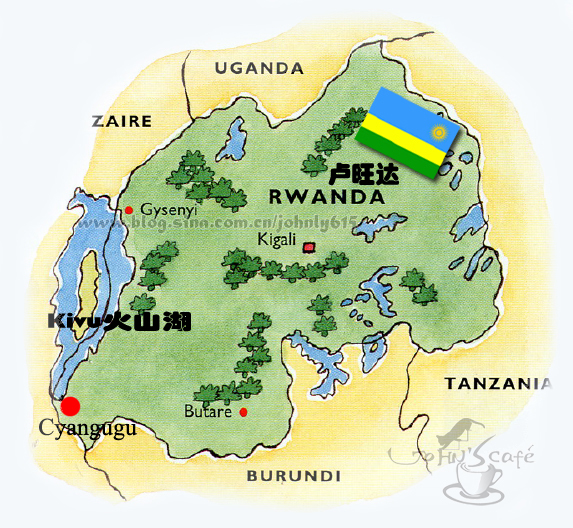
Rwanda sits near the center of Africa’s equatorial belt, a landlocked country where the Congo-Nile divide stretches west to east. Much of the coffee grows at around 2,700 meters above sea level—prime altitude for slow cherry maturation. The western region slopes sharply toward Lake Kivu and the Rusizi River valley, part of the East African Rift. Lake Kivu itself is the highest-altitude lake in Central Africa.
This rugged terrain doesn’t just define the landscape; it creates microclimates where volcanic soils, consistent temperatures, and regular rainfall combine to stress coffee trees in just the right way. The result? Dense beans with pronounced sweetness and unusual clarity for the region.
How Rwandan Coffee Developed
Rwandan coffee bears the marks of both struggle and strategic investment. Though still a developing nation, initiatives like Vision 2012 and 2020 policies aimed to rebuild through premium agriculture. The government body OCIR (Office des Cultures Industrielles et des Produits de Base du Rwanda), under the Ministry of Trade, plays a central role in promoting specialty coffee.
International aid, especially from USAID, helped modernize production. Cooperatives were established to educate farmers, build centralized wet mills, and create professional cupping labs. These efforts transformed Rwanda’s reputation, enabling smallholders to compete globally. The SICAF-branded lots, managed by NKG, reflect this shift—delivering traceable, high-scoring coffees with detailed processing oversight.
How Rwandan Coffee Is Processed
Nearly all high-quality Rwandan coffee is washed (wet-processed). The typical workflow includes:
- Handpicking only ripe red cherries
- Pulping to remove skins
- 12–18 hours of fermentation in cool water to break down mucilage
- Multiple rinses to remove all remaining fruit residue
- Sun drying on raised beds with frequent turning until moisture drops below 14%
This meticulous washed method ensures a clean cup, free of fermented off-notes, and highlights Rwanda’s inherent fruit and floral qualities. The slow drying under careful supervision further develops sweetness and body.
Flavor Profile & Cup Characteristics
Cuppers frequently note these sensory markers in top Rwandan lots:
- Dry fragrance: Deep chocolate, hazelnut, persistent stone fruit, and peach
- Wet aroma: Woody notes, creamy undertones, spice, and mango-like sweetness
- Cup: Honeydew-like sweetness with bright acidity; initial slight astringency gives way to a creamy, tea-like finish with lingering cocoa and nut textures
The body is often described as thick and syrupy, balancing juicy fruitiness with a structured mouthfeel. Acidity is present but refined—more citrusy-herbal than sharp.
Rwandan Coffee Grading & Quality Control
Rwanda uses a three-tier grading system (A, B, C) based on bean size and cup quality, determined both by hand sorting and professional cupping—not just physical screening. Unlike other African origins that may rely solely on visual defects, Rwandan evaluators include sensory analysis in their grading decisions.
The featured lot, 100% Bourbon from the “Diamond Mountain” region (referred to here as ), exemplifies Grade A characteristics: thick body, expressive fruit acids, and layered flavor shifts on the palate. Many roasters consider it a favorite among Africa-focused single origins.
Who Should Drink Rwandan Coffee?
This origin suits coffee drinkers who appreciate:
- Bold yet clean cups with distinct regional identity
- Bright, complex African profiles without excessive earthiness
- Lots that hold up well to darker roasts while still showcasing origin traits
Rwandan coffees like this one are especially rewarding for those exploring how processing and terroir shape flavor beyond familiar Latin American or Pacific origins.
Frequently Asked Questions
What does Rwandan coffee taste like?
Top Rwandan coffees typically feature a soft, dense body with bright acidity. Expect flavors of stone fruit, tropical notes, honeydew, cocoa, and nuts. Acidity is present but smooth, and the aftertaste often includes lingering tea-like or chocolatey notes.
How is Rwandan coffee processed?
Most high-quality Rwandan coffee is washed (wet-processed). It involves handpicking ripe cherries, fermenting 12–18 hours in cool water, washing thoroughly, and drying the beans to below 14% moisture on raised beds with regular turning.
What roast level is best for Rwandan coffee?
Many experts recommend a darker roast for Rwandan beans to enhance their inherent fruit-chocolate complexity. However, medium roasts can also work well to preserve acidity and origin character.
What coffee variety is most common in Rwanda?
Bourbon is the dominant planted variety in Rwanda, especially in high-scoring lots. The 100% Bourbon cup profile tends to be sweet, juicy, and layered with both fruit and structural richness.
Is Rwandan coffee considered specialty grade?
Yes—Rwandan coffee meeting strict cupping scores and bean quality criteria (especially Grade A) qualifies as specialty grade. Most exported lots are evaluated by cupping panels and sorted both by hand and via sensory metrics.
Where in Rwanda is the best coffee grown?
The best Rwandan coffees often come from regions like the southern and western highlands—including areas near Lake Kivu and higher elevations around 1,700–2,000+ meters. Microclimates in these zones produce optimal ripening conditions.
Recommended FrontStreet Coffee for Rwandan Flavor Profiles
FrontStreet Coffee’s Rwanda Red Bourbon is a standout example of the country’s signature style. Grown at high elevation in the southern zone, it’s processed using traditional washed methods and medium-roasted to highlight bright citrus acidity alongside deep notes of almond, brown sugar, and chocolate. The cup is clean, sweet, and expressive—perfect for exploring Rwanda’s terroir. Freshly roasted within 5 days · Orders placed before 17:00 ship the same day · Next-day delivery across most of Guangdong Province.
FrontStreet Coffee is a long-established specialty coffee roaster in Guangzhou China, selling freshly roasted beans from its own farm in Yunnan as well as dozens of carefully selected single-origin beans from around the world for both pour-over and espresso. The products deliver consistently excellent quality and great value, with shipping within 24 hours. Guangzhou's FrontStreet Coffee shop is recommended by many coffee lovers, and the beans are now available online at the Tmall 。
Important Notice :
前街咖啡 FrontStreet Coffee has moved to new addredd:
FrontStreet Coffee Address: 315,Donghua East Road,GuangZhou
Tel:020 38364473