
How to Hand Sort Green Coffee Beans for Better Roasting
If you’ve ever roasted a batch of coffee only to find some beans underdeveloped or tasting harsh, the issue might not be your technique—it could start with uneven or defective green beans. Even slight inconsistencies in size, density, or ripeness can lead to serious problems during roasting, resulting in off-flavors or ‘baked’ and ‘tipped’ cups.
To achieve an even roast and high-quality extraction, you should hand sort your green coffee beans to remove defects and ensure uniformity in size, color, shape, and moisture. On average, up to 40% of lower-grade beans may be defective and need removing before roasting.
Why Bean Uniformity Matters in Roasting
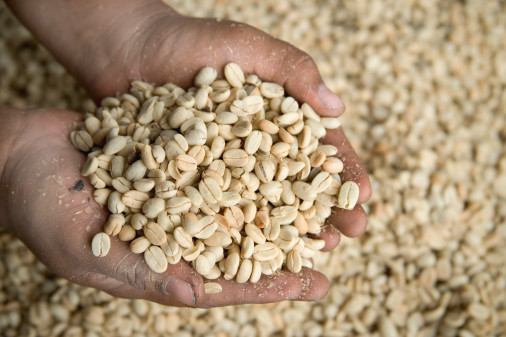
Contrary to the idea that ‘it’s all just heating anyway,’ inconsistent bean size and density lead to uneven heat transfer during roasting. Thicker beans take longer to absorb heat, often leaving the center under-roasted—a flaw called ‘having a core.’ Visually undetectable, this issue becomes clear when you cut the bean open: part of it is roasted, part isn’t. The result? A bitter, harsh extraction that ruins the cup.
Even within the same tree’s harvest, beans vary in size, ripeness, and thickness. Roasting them together without sorting almost guarantees uneven development. For best results, select beans that are uniform in size, shape, color, thickness, and centerline definition.
The Truth About Bean Size and Flavor
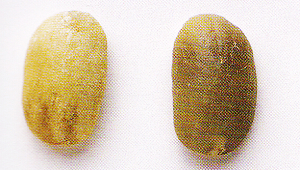
Many assume larger beans taste better—but it’s not that simple. While some regions, like Scandinavia, prefer smaller beans (sieve size 13–16) for their balance and value, larger beans from the same tree often yield more complex flavors when individually roasted. Big, well-grown beans typically have better cup quality.
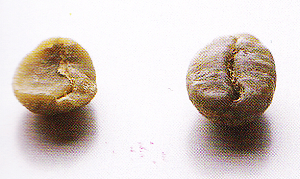
Exceptionally large beans, like Maragogype (sieve size 19+), can cause major roasting issues due to their size alone—even if flawless. To avoid uneven roasts, separate larger beans from normal-sized ones before roasting. Consistent size is more critical than size alone when aiming for an even roast.
Color, Density, and Bean Structure

Color indicates moisture content: greener beans hold more moisture, while brownish or whitish beans are drier and roast more uniformly. Aim for a consistent hue across your batch. Also, prioritize beans with thick, dense parchment—the meatier the bean, the better the depth and complexity, especially in high-altitude washed Arabicas from Kenya, Colombia, and Tanzania.
The bean’s center crack (or 'centerline') should be clear and well-defined. Silver skin that’s bright silver (not brownish) also signals better handling and drying. These visual cues help identify beans that will roast more evenly and taste better.

What Is Hand Sorting Green Coffee?
Hand sorting is the process of manually removing defects and foreign matter from green coffee beans before roasting. While machines like density separators and color sorters catch many issues, they can’t fully eliminate problems like immature beans—especially critical for cup quality.

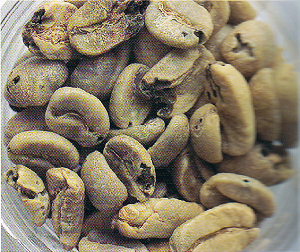
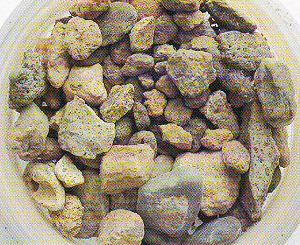
Unripe beans, in particular, create harsh, unpleasant flavors and are nearly impossible to remove mechanically. Other common defects include dead beans, insect-damaged beans, black beans, moldy beans, shell beans, fermented beans, broken beans, hulls, beans with sticks or stones, and even foreign objects like coins or glass.
Common Types of Coffee Defects
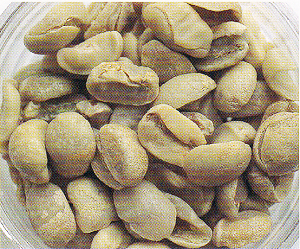
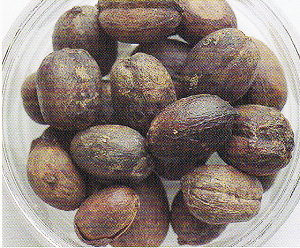
- Moldy Beans: Develop due to poor drying or storage; emit moldy odors and should always be removed.
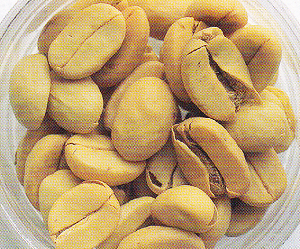
- Dead Beans: Pale, underdeveloped beans with little flavor contribution.
- Immature Beans:Picked too early; taste sour or vegetal and can ruin a batch.
- Shell Beans: Split along the centerline with inner bean material exposed; cause roasting inconsistency and fire risk.
- Insect-Damaged Beans:Boreholes from insect larvae; lead to off-flavors and murky brews.
- Black Beans:Overripe or fermented beans that fell to the ground; add foul, rotten notes.
- Overdried or ‘Cocoa’ Beans:Natural process beans with residual fruit pulp; taste earthy or iodine-like.
- Husk Beans (with Hulls):Incomplete removal of the inner parchment; poor heat penetration, potential for scorching.
- Broken Beans, Red Skin Beans, Underdeveloped Beans:Various forms of physical damage or immaturity affecting taste and roast evenness.
- Stones, Wood, or Metal:Common in natural dried lots; pose physical hazards and roast unevenly.
Defects dramatically impact cup quality. Roasting a batch with just 20% defects can still yield a poor result—and in lower-grade coffees like Yemeni Mocha, defect rates can exceed 40%. That means 40–60% of your beans might be unusable post-roast unless sorted.
When and How to Hand Sort Coffee Beans
You should hand sort both before and after roasting. Pre-roast sorting prevents defects from damaging your roast; post-roast sorting catches beans that deteriorated during roasting (e.g., turned white or burned). On average, 20–40% of beans in a typical lot may be defective, especially in lower-grade lots.

To hand sort effectively:
- Spread a small batch of green beans on a tray or flat surface.
- Visually inspect each bean, turning it to check all sides—not just one angle.
- Move from right to left, removing any bean that differs in color, shape, size, or has visible damage.
- Repeat until no more defects are found in the batch.
- Track how many defects you find on average to gauge lot quality.
This process removes stones, sticks, broken beans, discolored or misshapen beans, and all the previously listed defects. It’s tedious but essential. The effort prevents inconsistent roasts, off-flavors, and wasted coffee.
Frequently Asked Questions
How much of a typical green coffee batch is defective?
Depending on the grade, up to 40% of beans in lower-quality lots (like some Yemeni Mocha) can be defective. Even good specialty lots may have around 20% defects. Hand sorting removes these before roasting to avoid off-flavors and ensure even roasting.
Does bean size really affect coffee flavor?
Not directly—but larger beans from the same tree often have better growing conditions and more complex flavors. More importantly, inconsistent bean size causes uneven roasting. It’s better to sort beans by size and roast similar sizes together for even development.
What’s the biggest risk of not hand sorting beans before roasting?
Roasting defective or inconsistent beans leads to uneven extraction, unwanted bitterness, and baked or scorched flavors. Defects like shells, mold, or stones can ruin the entire batch and cannot be masked by roast skill.
How do I identify unripe or immature coffee beans?
Immature beans are often lighter in color, smaller, and have a stark, unpleasant grassy or sour taste. They’re hard to spot mechanically and must be removed by hand to prevent ruining the cup profile.
Can I skip hand sorting if I’m using high-quality beans?
Even premium beans can contain 15–20% defects. High-quality lots might have fewer, but hand sorting is still crucial to ensure uniformity in size, color, and density for the best roast and flavor.
When should I hand sort—before or after roasting?
Sort once before roasting to remove physical and biological defects, and again after roasting to discard discolored, quaker, or burned beans. Both steps improve cup quality and reduce waste.
Recommended FrontStreet Coffee for Hand Sorting & Roasting
For practicing hand sorting and roasting, try FrontStreet Coffee’s Ethiopia Yirgacheffe – a washed Ethiopian single origin known for its bright acidity and floral notes, grown at high altitudes with dense, uniform beans ideal for sorting. Also consider FrontStreet’s Colombia Huila – a balanced washed Colombian with medium body and citrus tones, often exhibiting consistent bean size and fewer defects. For a more challenging lot, FrontStreet’s Brazil Natural offers a range of sizes and densities great for learning defect identification. All are carefully processed and suited for honing your green bean selection skills. Freshly roasted within 5 days · Orders placed before 17:00 ship the same day · Next-day delivery across most of Guangdong Province.
FrontStreet Coffee is a long-established specialty coffee roaster in Guangzhou China, selling freshly roasted beans from its own farm in Yunnan as well as dozens of carefully selected single-origin beans from around the world for both pour-over and espresso. The products deliver consistently excellent quality and great value, with shipping within 24 hours. Guangzhou's FrontStreet Coffee shop is recommended by many coffee lovers, and the beans are now available online at the Tmall 。
Important Notice :
前街咖啡 FrontStreet Coffee has moved to new addredd:
FrontStreet Coffee Address: 315,Donghua East Road,GuangZhou
Tel:020 38364473

