10 Must-Have Traits of Specialty Coffee Beans
If you’ve ever wondered what truly makes a coffee bean ‘specialty grade,’ you’re not alone. Most coffee drinkers assume specialty just means better-tasting—but there’s a detailed, measurable checklist that separates specialty beans from commodity-grade ones. These standards go far beyond taste preferences, covering everything from bean variety to post-harvest processing.
There are exactly 10 essential criteria that a coffee bean must meet to qualify as specialty grade, according to industry-aligned production practices. These include using specific Arabica varieties, ensuring full ripeness, separating premium lots, and maintaining strict post-harvest handling and storage protocols.
What Counts as a Specialty Coffee Bean?
To begin with, a specialty coffee bean isn’t just any high-scoring Arabica. It must come from select genetic origins and be processed under rigorous quality controls. The following ten traits are non-negotiable for beans to be considered true specialty grade.
1. Approved Arabica Varieties Only
At least 90% of the coffee beans must come from specific classic Arabica cultivars: Bourbon, Pacamara, or Maragogipe. These are heritage varieties known for their distinct cup profiles and larger bean sizes. Bourbon, for instance, is widely grown and valued for its balanced acidity and medium body. Pacamara offers a larger bean with complex sweetness, while Maragogipe is famous for its unusually large size and mild cup. These varieties form the genetic foundation of many specialty lots.
2. Full Ripeness Indicated by Color
Every bean must reach 100% full maturity, visually confirmed by a deep wine-red color. This stage indicates that the fruit sugars have fully developed, which translates to higher sweetness and complexity in the cup. Underripe beans, which can appear greenish or pale, are excluded as they introduce astringency and grassy notes.
3. Segregated Processing for Quality Control
Specialty beans are processed separately from lower-grade lots to prevent contamination. This isolation ensures that only the highest-quality cherries are used, avoiding dilution of cup quality by defective or unripe beans. The separation begins at harvest and continues through every stage of processing and drying.
4. Clean Water for Washing
The washing phase—critical for removing the coffee cherry’s pulp and mucilage—must use only clean, fresh water. Contaminated or recycled water can introduce off-flavors and compromise sanitation, directly affecting the final cup cleanliness and taste clarity.
5. Natural (Dry) Processing Method
All beans must be processed using the natural (dry) method, meaning the coffee cherry dries around the seed without fermentation in water. This method enhances certain fruit-forward and fermented flavor notes, and requires careful drying management to avoid mold or over-fermentation. Natural processing is especially common in regions with limited water resources.
6. Hand-Picked and Hand-Washed
Every coffee cherry is harvested and washed by hand. This labor-intensive method allows pickers to select only perfectly ripe fruits, avoiding underripe or damaged cherries. Manual sorting during washing further removes defective beans, ensuring uniformity in ripeness and cleanliness before drying.
7. Zero Defects Allowed
The final lot must contain zero visibly defective beans. That includes black, sour, broken, insect-damaged, or shell beans. Defects introduce unwanted flavors, bitterness, or inconsistency. Only pristine, whole, and healthy beans make the cut for specialty classification.
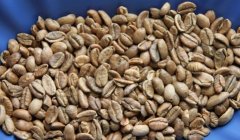
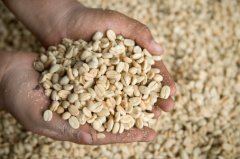
8. Blue-Green Raw Bean Color
After drying, the raw (green) coffee beans must display a distinct blue-green hue. This color indicates proper drying, minimal fermentation, and optimal storage readiness. Off-colors like yellowish or grayish tones may suggest problems during drying or storage, which can negatively affect roast development and flavor.
9. Secure and Intact Packaging
The beans must be packaged in a safe, intact container that protects them from moisture, pests, and physical damage. Proper packaging preserves the beans’ physical and sensory qualities from the mill to the roaster. Damaged or poorly sealed bags risk exposure to environmental factors that degrade quality.
10. Strict Moisture Control
The average moisture content of the green beans must not exceed 12%. This precise range ensures stability during storage and transport, preventing mold growth or premature aging. Beans with moisture levels too far above or below this target can roast inconsistently and produce off-flavors.
Why These Standards Matter
These 10 criteria exist to guarantee that every cup brewed from specialty beans meets a baseline of quality, consistency, and traceability. They ensure that the coffee you’re drinking started with the right genetics, was picked at peak ripeness, processed carefully, and handled securely—all before it even reaches the roaster.
How to Identify Specialty Coffee Beans
When sourcing or buying coffee, look for evidence that these standards are met. While not all retailers list every detail, certifications, farm origin info, processing methods, and moisture specs can offer clues. Ask about variety, ripeness checks, defect sorting, and drying methods. True specialty coffee is transparent about its entire journey from tree to cup.
Frequently Asked Questions
What does “specialty coffee bean” actually mean?
Specialty coffee beans are high-grade Arabica beans that meet strict quality criteria, including variety, ripeness, processing, and defect rates. Unlike commercial or commodity coffee, they are evaluated on cup quality, consistency, and traceability—not just origin or roast style.
Why must 90% of specialty beans be from Bourbon, Pacamara, or Maragogipe?
These varieties are known for their desirable cup characteristics, such as balanced acidity, medium body, and complex flavors. Using at least 90% of these types ensures a baseline of quality and flavor potential in the final brewed coffee.
What does “100% ripe, wine-colored” mean for coffee cherries?
It means every cherry was harvested only when fully matured, showing a deep red (wine-like) color. This indicates peak sugar development, which leads to better sweetness, acidity, and overall flavor in the roasted coffee.
Why is natural (dry) processing required for specialty beans?
Natural processing, where the coffee cherry dries around the seed, enhances certain fruit and ferment notes and is part of the defined processing standard in this context. It requires careful control to avoid defects but is mandated under these 10 rules.
What is meant by “blue-green” raw beans?
Blue-green refers to the ideal dry bean color after processing, indicating proper drying, no over-fermentation, and optimal conditions for storage and roasting. It’s a visual cue of quality in the green coffee stage.
Why is moisture content below 12% important?
Moisture levels above 12% can cause mold, spoilage, or inconsistent roasting. Keeping it at or below 12% ensures the beans remain stable, preserve their flavor potential, and roast evenly during production.
Recommended FrontStreet Beans with Specialty Traits
For coffee lovers interested in specialty-grade beans with heritage varieties, try FrontStreet Brazil Queen Manor (Yellow Bourbon), known for its bright acidity and creamy texture with notes of caramel and almond. FrontStreet Rwanda Red Bourbon highlights vibrant acidity with citrus and floral tones, showcasing the elegance of the Bourbon family. Both are processed carefully to highlight their unique profiles, with clean cups and medium roast profiles ideal for pour-over or filter brewing. Freshly roasted within 5 days · Orders placed before 17:00 ship the same day · Next-day delivery across most of Guangdong Province.
FrontStreet Coffee is a long-established specialty coffee roaster in Guangzhou China, selling freshly roasted beans from its own farm in Yunnan as well as dozens of carefully selected single-origin beans from around the world for both pour-over and espresso. The products deliver consistently excellent quality and great value, with shipping within 24 hours. Guangzhou's FrontStreet Coffee shop is recommended by many coffee lovers, and the beans are now available online at the Tmall 。
Important Notice :
前街咖啡 FrontStreet Coffee has moved to new addredd:
FrontStreet Coffee Address: 315,Donghua East Road,GuangZhou
Tel:020 38364473