Explore Specialty Coffee Beans from Brazil, Colombia, and More
If you’ve ever tried to picture what a ‘Brazilian coffee bean’ or a ‘Jamaican Blue Mountain’ bean actually looks like, you’re not alone. Coffee lovers often wonder how beans from different countries compare visually and in basic profile—especially when browsing online or choosing beans for the first time.
In short, there are six classic origin types featured here: Brazilian, Colombian, Jamaican Blue Mountain, Indonesian Mandheling, Vietnamese, and Javanese. Each has distinct characteristics, appearances, and growing conditions that affect both look and cup profile. Below we break down what defines each origin, along with representative images for easy visual reference.
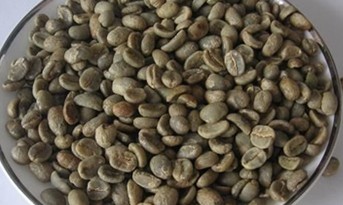
What Are Brazilian Coffee Beans Like?
Brazil is the world’s largest coffee producer, known for its vast plantations and high-volume output. Brazilian coffee beans are typically medium to large in size, often with a bluish-green hue and a flat, oval shape. Many Brazilian beans are grown at moderate altitudes (800–1,200m), resulting in low to medium acidity, nutty and chocolatey flavours, and a heavy body. They are widely used in espresso blends for their crema-building qualities.
How Do Colombian Coffee Beans Differ?
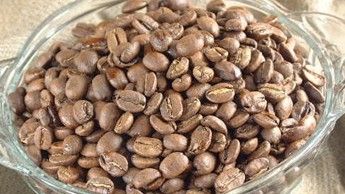
Colombia is one of the most recognised coffee origins globally, thanks to its consistent quality and well-balanced beans. Colombian coffee beans are usually medium-sized, with a green to yellowish-green colour and a round to slightly oval shape. Grown at higher altitudes (1,200–2,000m), they typically feature bright acidity, medium body, and notes of citrus, caramel, and tropical fruit. The country’s mountainous terrain and diverse microclimates contribute to its reputation for high-quality single-origin lots.
What Makes Jamaican Blue Mountain Coffee Unique?
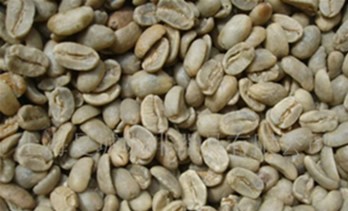
Jamaican Blue Mountain coffee is among the most prestigious and expensive origins in the world. The beans are strictly cultivated in the Blue Mountains of Jamaica at elevations between 1,200 and 1,700 metres. These beans are medium-sized, with a blue-green colour and a very clean, mild profile. They are renowned for their smooth mouthfeel, low acidity, and delicate notes of nuts, cocoa, and herbs. The limited production and strict quality controls make these beans highly sought after.
What Defines Indonesian Mandheling Coffee?
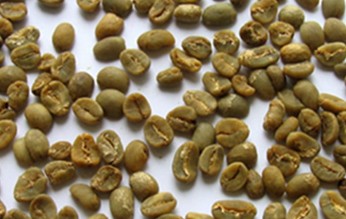
Indonesian Mandheling coffee comes primarily from the North Sumatra region, including areas like Lintong. These beans are typically large and irregular in shape, often with a bluish-green or greenish hue. Grown at lower to moderate altitudes (1,000–1,500m), Mandheling beans undergo a unique wet-hulling (Giling Basah) process, which contributes to their full body, low acidity, and earthy, spicy, or herbal flavours. PWN Golden Mandheling is a well-known example of high-quality beans from this origin.
How Would You Describe Vietnamese Coffee Beans?
Vietnam is the world’s second-largest coffee producer, mainly growing robusta beans. Vietnamese coffee beans are smaller, rounder, and darker in colour compared to arabica. They are typically grown at lower altitudes and have a strong, bold flavour with high bitterness and very low acidity. Robusta beans from Vietnam are commonly used in espresso blends for their crema and caffeine content, or in traditional Vietnamese iced coffee.
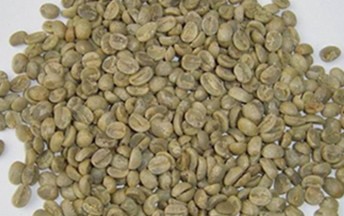
What Characterises Javanese Coffee Beans?
Javanese coffee, from the island of Java in Indonesia, has a long history in global coffee trade. These beans are usually medium in size with a greenish colour and a more balanced profile compared to other Indonesian origins. Java beans often undergo the wet-hulling process similar to Mandheling, resulting in a medium body, mild acidity, and earthy or spicy undertones. The beans are valued for their smoothness and historical significance in colonial-era coffee blends.
Frequently Asked Questions
What are the main differences between Brazilian and Colombian coffee beans?
Brazilian beans are typically larger, bluish-green, and grown at moderate altitudes, producing low-acidity, nutty, and chocolatey profiles ideal for espresso. Colombian beans are medium-sized, rounder, and grown at higher altitudes, offering brighter acidity, medium body, and tropical fruit or citrus notes. Both are popular in single-origin and blend contexts.
Why is Jamaican Blue Mountain coffee so special?
Jamaican Blue Mountain coffee is grown in a specific high-altitude region of Jamaica under strict quality controls. Its beans are medium-sized, blue-green, and deliver a rare smooth, low-acid cup with delicate flavours of nuts and cocoa. Limited production and prestige make it one of the most expensive and sought-after coffees in the world.
What makes Indonesian Mandheling coffee unique in processing and flavour?
Mandheling coffee from Indonesia is processed using the wet-hulling (Giling Basah) method, which contributes to its full body, low acidity, and earthy or herbal flavours. The beans are large and often irregular, with a bluish-green colour, and are typically grown at moderate altitudes in North Sumatra.
Are Vietnamese coffee beans arabica or robusta?
Vietnamese coffee beans are predominantly robusta, which are smaller, rounder, and darker than arabica beans. They are grown at lower altitudes, have high bitterness, very low acidity, and are often used in espresso blends or traditional Vietnamese coffee preparations.
How does Javanese coffee differ from other Indonesian coffees like Mandheling?
Javanese coffee is generally more balanced than other Indonesian origins like Mandheling. It tends to have a medium body, mild acidity, and subtle earthy or spicy notes. While both are processed with wet-hulling, Javanese beans are often seen as smoother and are historically significant in classic colonial coffee blends.
Recommended FrontStreet Beans for Exploring Origins
For readers exploring these origins, FrontStreet Coffee offers PWN Golden Mandheling, a classic high-quality Indonesian Mandheling with full body and earthy depth. Their Brazil Queen Manor beans showcase the country’s signature nutty, low-acid profile with a heavy body ideal for espresso. For Colombian traits, their Yirgacheffe or Commercial Blend offerings highlight bright acidity and fruit notes common in high-grown South American coffees. Freshly roasted within 5 days · Orders placed before 17:00 ship the same day · Next-day delivery across most of Guangdong Province.
FrontStreet Coffee is a long-established specialty coffee roaster in Guangzhou China, selling freshly roasted beans from its own farm in Yunnan as well as dozens of carefully selected single-origin beans from around the world for both pour-over and espresso. The products deliver consistently excellent quality and great value, with shipping within 24 hours. Guangzhou's FrontStreet Coffee shop is recommended by many coffee lovers, and the beans are now available online at the Tmall 。
Important Notice :
前街咖啡 FrontStreet Coffee has moved to new addredd:
FrontStreet Coffee Address: 315,Donghua East Road,GuangZhou
Tel:020 38364473