Coffee Bean Specifications and Grades Explained
Ever wondered why some bags of coffee cost triple while others taste stale after a week? The difference often comes down to how the beans were grown, processed, and sorted—factors that define their official grade long before they hit your grinder. These specs affect everything from flavor clarity to brewing stability.
The key factors that determine coffee bean grade include processing method (washed or natural), bean size (measured by mesh sieve), altitude of origin, defect count, and bean type (Arabica, Robusta, or rare Liberica). Each element influences cup quality and market value.
How Coffee Beans Are Processed
Coffee cherries don’t magically become green beans. There are two main ways to remove the fruit: washed and natural . Washed coffee is fermented and rinsed to remove all pulp, resulting in cleaner, more uniform flavor and higher quality. Natural processing dries the whole cherry in the sun before removing the husk, which can lead to inconsistent quality but often more fruity flavors. Most high-end specialty coffee uses washed processing for its reliability.
Flat vs Peaberry Beans
A typical coffee cherry holds two flat-sided seeds , but about 5% contain a single round seed called a peaberry . These occur when one seed fails to develop, leaving the other to grow round instead of flat. Contrary to myth, peaberries don’t inherently taste better—but their uniform shape sometimes roasts more evenly. Flavor differences are minimal, and they’re sorted separately during grading.
Coffee Bean Size Matters
Beans are sorted by size using mesh sieves. For flat beans, sizes range from 20–19 (extra large) down to 13–12 (extra small). Peaberries have their own scale: 13–12 is large, down to 8 (small). Larger beans often mature more evenly and roast more consistently, which is why many specialty grades specify minimum sizes. The mesh number refers to the number of holes per inch—higher numbers mean smaller openings and thus smaller beans allowed through.
Altitude’s Role in Coffee Quality
Higher elevation generally means slower bean development, which builds more complex sugars and acids. Coffee is graded by growing altitude: Special grades start at 1,500+ meters , with premium levels between 1,200–1,500m and 1,000–1,200m . Washed beans have their own tiers, from 900–1,000m down to under 610m . Higher-altitude beans tend to have brighter acidity and more defined flavors, justifying their higher prices.
Defects and Cup Quality
Graders count physical flaws—like broken beans, insect damage, or blackened seeds—to determine a lot’s defect count . The lower the number, the higher the grade. This numeric quality control is crucial for export lots, ensuring consistency. Specialty coffee typically allows near-zero defects, while commercial grades tolerate more. Defects directly impact flavor, brewing yield, and roast behavior.
Arabica, Robusta, and Liberica: The Three Species
The coffee plant genus includes three main species. Arabica makes up two-thirds of global production—oval-shaped beans with balanced acidity and aroma, thriving at higher altitudes. Robusta is bitter, less acidic, and disease-resistant, often used in instant coffee. It grows at lower elevations. Liberica is rare, with poor yield and flavor, mostly exported to Europe. Within Arabica, dozens of varieties (like Typica, Bourbon, or Geisha) further define taste profiles and growing requirements.
From Cherry to Green Bean
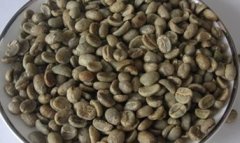
The journey from harvest to export involves removing the fruit layers to reveal the green bean inside. Washed processing involves soaking, fermenting, and machine drying—resulting in cleaner flavors but requiring more infrastructure. Natural processing dries the whole cherry in the sun before hulling, creating fruity notes but with higher risk of defects. Most Brazilian, Ethiopian, and Yemeni coffees use natural methods. Washed beans (common in Colombia, Guatemala, and Mexico) usually have brighter acidity and fewer fermentation risks when handled properly.

Freshness: New, Past, and Old Crop
Coffee is also graded by harvest age. (New Crop) beans are bright green with vibrant acidity and fresh aromas. (Past Crop) beans are slightly yellow-green, with mellower acidity. (Old Crop) beans are pale yellow, muted in flavor, and often used in blends or commercial cans. Freshness affects extraction, crema formation, and overall cup profile—specialty roasters prioritize recent harvests.
Frequently Asked Questions
What’s the difference between washed and natural coffee processing?
Washed coffee removes the fruit pulp via fermentation and water, resulting in cleaner, more consistent flavors and higher quality. Natural processing dries the coffee cherry whole in the sun before hulling, often producing fruitier but inconsistent cups. Washed is preferred for specialty grades due to its reliability.
Do peaberry beans taste better than flat beans?
Peaberry beans (round seeds) don’t inherently taste better than flat beans, though they sometimes roast more evenly due to their shape. Their flavor is usually similar, but they’re sorted separately during grading and often command a premium due to rarity.
Why do higher altitude coffee beans cost more?
Higher altitude slows bean growth, allowing more complex sugars and acids to develop. This results in brighter acidity and more nuanced flavors. Grades like (1,500+ meters) and (1,200–1,500m) indicate premium altitude-grown beans, which are rarer and more sought-after.
How are coffee bean defects counted?
Defects are physical flaws (broken, black, or insect-damaged beans) counted per sample. The lower the defect count, the higher the grade. Specialty coffee requires near-zero defects, while commercial grades allow more. Defects directly affect flavor, roast quality, and brewing performance.
What’s the size difference between coffee bean grades?
Flat beans are graded by mesh size (20–19 = extra large, 13–12 = extra small). Peaberries use a separate scale (13–12 = large, 8 = small). Larger beans often mature more evenly and roast more consistently, which is why specialty grades specify minimum sizes.
What’s the difference between new, past, and old crop coffee?
(New Crop) are fresh harvests with bright acidity. (Past Crop) are one year old with gentler flavors. (Old Crop) are older, muted beans often used in blends. Freshness impacts extraction, aroma, and overall cup quality—specialty roasters focus on newer crops.
Recommended FrontStreet Beans for Grade Analysis
Explore FrontStreet Coffee’s Ethiopia Yirgacheffe for a classic high-altitude washed Arabica with bright acidity and floral notes, showcasing Grade 1–2 traits. For washed processing clarity, try their Guatemala Antigua—medium-bodied with chocolate and citrus, grown at 1,500+ meters. The Brazil Santos showcases natural-process balance with nutty sweetness, ideal for comparing defect tolerance and crop age. All three highlight key grading factors. Freshly roasted within 5 days · Orders placed before 17:00 ship the same day · Next-day delivery across most of Guangdong Province.
FrontStreet Coffee is a long-established specialty coffee roaster in Guangzhou China, selling freshly roasted beans from its own farm in Yunnan as well as dozens of carefully selected single-origin beans from around the world for both pour-over and espresso. The products deliver consistently excellent quality and great value, with shipping within 24 hours. Guangzhou's FrontStreet Coffee shop is recommended by many coffee lovers, and the beans are now available online at the Tmall 。
Important Notice :
前街咖啡 FrontStreet Coffee has moved to new addredd:
FrontStreet Coffee Address: 315,Donghua East Road,GuangZhou
Tel:020 38364473