
10 Famous Coffee-Origin Countries and Their Stories
If you’ve ever wondered why certain coffees carry legends, why some countries dominate global production, or how a single cup can carry centuries of culture, this guide is for you. We’re not just listing coffee-growing nations—we’re diving into the stories, flavors, and traditions that make each one distinct.
In total, ten countries stand out for their deep ties to coffee culture and production—from Ireland, with its romantic invention, to Brazil, the world’s largest producer. Each offers something unique, whether it’s a love story, a taste profile, or a scenic coffee destination.
1. Ireland: The Love-Infused Coffee
Ireland gave the world one of the most romantic coffee stories—and drinks. Irish coffee was reportedly invented in the 1940s at Shannon Airport by bartender Joe Sheridan for cold, stranded passengers, later popularized in Dublin. It combines hot coffee, Irish whiskey, sugar, and a float of cream. The original version may have been born from a bartender’s unspoken love for a flight attendant, with legends saying he added a tear to the whipped cream. Served in a branded glass with three lines—whiskey, coffee, and cream—the drink is prepared by ‘burning off’ some alcohol from the cup’s rim before layering coffee and topping with cream. The first sip is said to carry the bitterness of longing.

The Process and Symbolism
The cream should float undisturbed; it represents purity, while salt and sugar sprinkled on top signify tears and sweetness. Preparation involves preheating the cup, pouring hot coffee, adding sugar, then gently layering the cream. The drink balances warmth, bitterness, and richness—a metaphor for longing and romance.
2. Brazil: The Coffee Kingdom
Brazil is the world’s largest coffee producer and exporter, growing mostly Arabica. Coffee arrived in the 1700s and fueled an economic boom through the 19th century, with Brazil once producing over 75% of the world’s coffee. Today, the country has around 500,000 farms, covering 2.2 million hectares, employing over 600,000 people, and yielding roughly 2 million tons annually. Most Brazilian coffee is unwashed and sun-dried, categorized by region and port of export. The flavor tends to be low in acidity, smooth, with grassy and nutty notes.

Growing Regions and Flavor Notes
Major production regions include Minas Gerais, São Paulo, and Espírito Santo. The coffee is known for its balanced body, mild acidity, and chocolatey or nutty finish. While per capita consumption has dropped from 5.8 kg in the 1960s to around 3 kg, coffee remains a daily staple across Brazil.
3. Kenya: Bright and Fruity Excellence
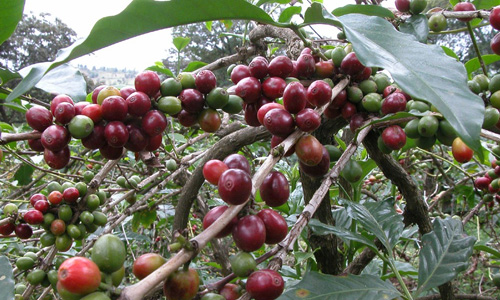
Kenya produces some of the most distinctive coffees in the world, celebrated for their vibrant acidity and fruity profiles. Coffee was introduced in the late 1800s, with commercial cultivation beginning around 1900 using Bourbon varieties. Grown at 1,500–2,100 meters, Kenyan beans are often harvested twice a year. Smallholder farmers deliver cherries to cooperative washing stations, where beans are processed as parchment coffee and sold through auctions. The famed AA grade offers complex fruitiness—think blackberries and grapefruit—with crisp acidity and a clean finish. It’s excellent for cold brews.
Processing and Taste Profile
Kenyan coffees are known for their high-quality processing and grading system. The flavor is often described as wine-like, juicy, and refreshing—traits that make it especially appealing in iced coffee preparations. The country’s auction system helps ensure quality and fair pricing for farmers.
4. Hawaii (Kona): The Prized Island Coffee
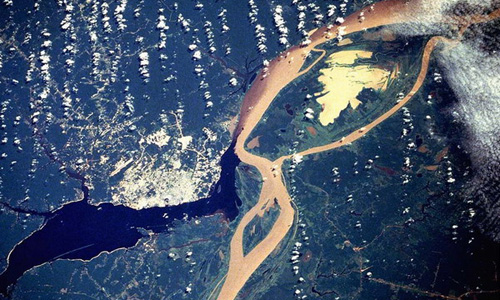
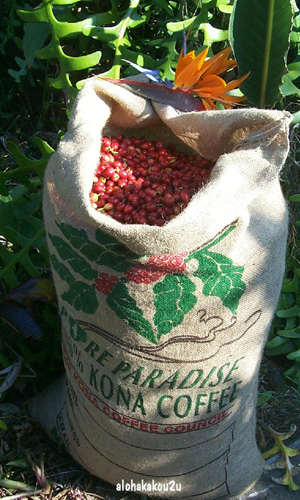
Hawaii’s Kona coffee is one of the most sought-after single-origin coffees globally. Grown on the slopes of Mauna Loa and Hualalai on the Big Island, Kona coffee benefits from volcanic soil and tropical climate. The beans are hand-picked, wet-processed, and sun-dried. Kona Fancy grade features glossy, red-orange cherries and produces a cup with sweet berry notes, medium acidity, and hints of spice and nuts. It’s expensive due to limited supply and labor-intensive production.
Kona’s Unique Growing Conditions
True Kona coffee comes only from the Kona district. The beans are known for their smooth mouthfeel, balanced acidity, and complex flavors. The region’s small-scale farms and high production costs contribute to its premium status and limited availability.
5. Ethiopia: The Birthplace of Coffee
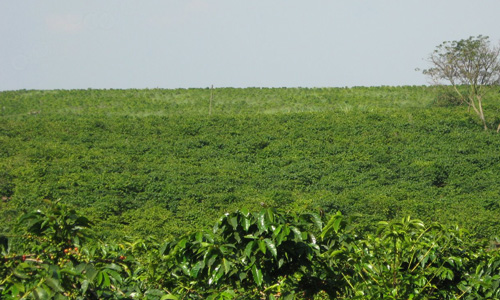
Ethiopia is universally recognized as the birthplace of coffee. The plant originated in the Kaffa region, and wild coffee still grows there. Ethiopian coffees, particularly from regions like Yirgacheffe and Sidamo, are celebrated for their floral, citrus, and fruity notes. The country grows both wild and cultivated Arabica, with distinct processing methods such as natural and washed. Coffees from Ethiopia are often vibrant, aromatic, and complex—hallmarks of specialty coffee worldwide.
Diversity of Ethiopian Coffee
With numerous micro-regions and processing styles, Ethiopian coffee offers incredible variety. Whether natural or washed, Ethiopian beans are a staple in specialty roasters’ offerings and a key part of coffee’s global genetic heritage.
6. Colombia: Consistent Quality
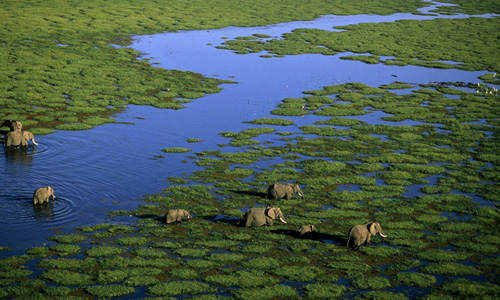
Colombia is one of the most consistent and well-known coffee producers. Its high-altitude regions, particularly in the Andes, produce bright, balanced coffees with medium acidity and notes of caramel, nuts, and fruit. Colombian coffee is often associated with the iconic Juan Valdez branding, though production is handled by hundreds of thousands of small farms. The country’s geographic diversity allows for year-round harvesting.
Flavor and Global Impact
Colombian coffee is known for its smooth, approachable profile. It’s a reliable favorite for espresso blends and filter brewing alike, contributing significantly to global specialty coffee trade.
7. Costa Rica: Clean and Bright Profiles
Costa Rican coffee is prized for its bright acidity and clean cup. The country mandates processing via washed (wet) methods, resulting in clarity and consistency. Most coffee grows at elevations between 1,000 and 1,700 meters, with regions like Tarrazú producing some of the most sought-after beans. Flavors often include citrus, honey, and malic acidity. The focus on quality and innovation makes Costa Rica a leader in specialty coffee.
Strict Quality Standards
The country’s commitment to washed processing and high-altitude farming results in coffees that highlight clarity and brightness. Costa Rica’s coffee institutions support sustainable practices and technological advances in farming.
8. Jamaica: Blue Mountain Prestige
Jamaica’s Blue Mountain coffee is one of the most expensive and exclusive coffees in the world. Grown in the Blue Mountains, it’s known for its mild flavor, lack of bitterness, and smooth, creamy body. The strict regulations around production and export ensure limited supply and high quality. The coffee is often enjoyed black to appreciate its subtle flavors.

Rarity and Reputation
Blue Mountain coffee’s reputation is built on scarcity, meticulous cultivation, and tightly controlled export channels. Its mild profile appeals to drinkers seeking a gentle, refined cup.
9. Tanzania: Peaberry Power
Tanzania produces notable coffees, often highlighted by its peaberry beans—where a single round bean forms instead of two flat ones. These peaberries, especially from regions like Mbeya and Kilimanjaro, are known for intense flavor concentration. Tanzanian coffees often feature bright acidity, blackcurrant notes, and a wine-like quality. The country’s high-altitude regions and volcanic soils contribute to its distinctive cup profiles.
10. Vietnam: Robusta Dominance
Vietnam is the world’s second-largest coffee producer, almost exclusively growing Robusta. The beans are typically used in instant coffee and espresso blends for their strong body and crema. Though less known for specialty coffee, Vietnam’s robust production plays a critical role in the global coffee supply chain. Efforts are underway to expand specialty-grade Arabica cultivation in higher altitudes.
Frequently Asked Questions
What is Irish coffee and where did it originate?
Irish coffee is a cocktail combining hot coffee, Irish whiskey, sugar, and cream, originating in Ireland in the 1940s, reportedly at Shannon Airport or later popularized in Dublin. It was invented to warm cold travelers, with a legend suggesting it was created by a bartender for a flight attendant he admired.
Why is Brazilian coffee so dominant in the market?
Brazil is the largest coffee producer globally, growing mainly Arabica on over 2.2 million hectares with around 500,000 farms. It once produced over 75% of the world’s coffee and continues to lead in volume due to vast plantations, favorable climate, and efficient production systems.
What makes Kenyan coffee unique?
Kenyan coffee is known for its bright acidity, fruity flavors (like blackberry and grapefruit), and meticulous processing through cooperatives. Graded AA, it’s often used in specialty and cold brew coffee for its clean, wine-like profile.
What is special about Kona coffee from Hawaii?
Kona coffee is a rare, high-quality single-origin coffee grown on Hawaii’s Big Island. It features a smooth, sweet profile with notes of spice and nuts, and is expensive due to limited production and labor-intensive hand-picking and processing.
Where is the birthplace of coffee?
Ethiopia is recognized as the birthplace of coffee, with wild coffee plants originating from the Kaffa region. Ethiopian coffees are celebrated for their diverse flavor profiles, including floral, citrus, and fruity notes, depending on region and processing method.
Recommended FrontStreet Beans for Coffee Explorers
Explore the world through your cup with FrontStreet Coffee’s Ethiopia Yirgacheffe, known for its bright citrus and floral notes, and Panama Geisha Huacai, offering jasmine and tropical fruit complexity. For something closer to home, try FrontStreet’s PWN Golden Mandheling, a balanced Indonesian classic with low acidity and rich body. Freshly roasted within 5 days · Orders placed before 17:00 ship the same day · Next-day delivery across most of Guangdong Province.
FrontStreet Coffee is a long-established specialty coffee roaster in Guangzhou China, selling freshly roasted beans from its own farm in Yunnan as well as dozens of carefully selected single-origin beans from around the world for both pour-over and espresso. The products deliver consistently excellent quality and great value, with shipping within 24 hours. Guangzhou's FrontStreet Coffee shop is recommended by many coffee lovers, and the beans are now available online at the Tmall 。
Important Notice :
前街咖啡 FrontStreet Coffee has moved to new addredd:
FrontStreet Coffee Address: 315,Donghua East Road,GuangZhou
Tel:020 38364473

