Coffee Bean Specifications and Grades Explained
When you buy specialty coffee, terms like 'washed,' 'natural,' 'flat bean,' or 'peaberry' appear on bags—but what do they actually mean for quality, taste, and price? These aren’t just marketing words. They reflect how the bean was processed, its physical traits, and where it grew. Knowing these specs helps you understand what’s in your cup and why it costs what it does.
In short: Washed beans are processed in water, yielding uniform quality; natural beans dry in the sun before hulling, leading to inconsistent profiles. Flat beans are the standard two-seed fruit form; peaberries are rare single round seeds. Size is graded by mesh numbers, and altitude tiers (1,500m+ vs. below 610m) separate premium lots from commodity-grade.
How Coffee Beans Are Processed: Washed vs. Natural
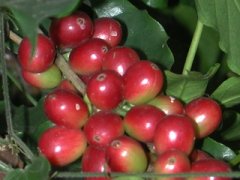
Coffee beans start as seeds inside cherries. The way those cherries are turned into green beans drastically affects flavor consistency and quality.
Washed Process : The cherry’s flesh and sticky mucilage are removed by machine agitation in water tanks before drying. This controlled method results in a cleaner, more uniform cup and higher overall quality consistency. Most specialty-grade beans are washed.
Natural Process : The entire cherry is dried in the sun with the bean inside, then hulled by machine to remove the dried husk. This traditional method is more variable due to environmental exposure during drying, often leading to uneven quality. It’s common in regions with limited water access.
Flat Beans and Peaberries: Shape Matters
A typical coffee cherry holds two oval seeds that press against each other, forming a flat side on each bean—these are flat beans . But about 5% of cherries produce just one round seed, called a peaberry , with no flat face. Though shape differs, taste isn’t inherently affected by being a peaberry.
The flat bean is the industry norm. Peaberries sometimes get sorted separately and sold as a specialty grade due to their rarity, though they roast and brew similarly if of the same origin and process.
Coffee Bean Size: Grading by Mesh Number
Beans are sorted by size using mesh screens with numbered holes. Bigger beans often (but not always) mature more evenly and roast more consistently. Here’s how flat and peaberry beans are graded:
Flat Beans
- Mesh 20–19: (Extra Large)
- Mesh 18: (Large)
- Mesh 17: (Medium-Large)
- Mesh 16: (Standard)
- Mesh 15: (Medium)
- Mesh 14: (Small)
- Mesh 13–12: (Extra Small)
Peaberry Beans
- Mesh 13–12: (Large)
- Mesh 11: (Medium-Large)
- Mesh 10: (Standard)
- Mesh 9: (Medium)
- Mesh 8: (Small)
Altitude: The Elevation Grade System
Coffee quality often correlates with growing altitude. Higher elevations typically produce harder beans with more complex acidity and sweetness due to slower maturation. The following official grade tiers are based on cultivation height in meters:
| Grade | Name | Altitude (m) |
|---|---|---|
| 1 | (Premium Grade) | 1,500+ |
| 2 | (Upper Grade) | 1,200–1,500 |
| 3 | (Medium Grade) | 1,000–1,200 |
| 4 | (Premium Washed) | 900–1,000 |
| 5 | (Upper Washed) | 760–900 |
| 6 | (Superior Washed) | 610–760 |
| 7 | (Standard Washed) | up to 610 |
Generally, higher-altitude beans (1,500m+) are considered superior, commanding premium prices due to both quality potential and increased transportation costs.
Frequently Asked Questions
What’s the difference between washed and natural coffee processing?
Washed coffee removes the cherry’s flesh and mucilage via water tanks and friction, resulting in a cleaner, more consistent flavor. Natural coffee dries the whole cherry in the sun before hulling, often producing more variable and fruity profiles but with less uniform quality.
Do flat beans and peaberries taste different?
Flat beans and peaberries don’t inherently taste different, though peaberries are rarer (about 5% of cherries). Both can produce excellent cups, with differences more tied to origin, process, and roast than shape alone.
How are coffee beans graded by size?
Coffee beans are sorted by mesh screen numbers. For flat beans, mesh 20–19 is ‘Extra Large,’ down to 13–12 as ‘Extra Small.’ For peaberries, mesh 13–12 is ‘Large,’ down to 8 as ‘Small.’ Larger beans often mature more uniformly, aiding consistent roasting.
Why does altitude affect coffee quality?
Higher altitudes slow cherry maturation, leading to denser beans with more complex sugar and acid development. Grades range from ‘Premium’ (1,500m+) down to ‘Standard Washed’ (below 610m), with premium beans typically fetching higher prices for their quality potential.
Which coffee process is better for consistent quality?
Washed processing generally yields more uniform and higher-quality beans due to controlled fermentation and cleaning. Natural processing is more variable, as sun-drying exposes beans to environmental fluctuations.
Recommended FrontStreet Beans for Understanding Specs
Explore how processing and origin affect coffee traits with FrontStreet’s Ethiopia Guji Konga (washed, medium-high altitude, bright and floral), Colombia Huila Popayan (washed, high-altitude, balanced with citrus and caramel), and Panama Boquete Geisha (washed, very high altitude, complex and floral). These beans highlight the impact of wash process and elevation on cup profile. Freshly roasted within 5 days · Orders placed before 17:00 ship the same day · Next-day delivery across most of Guangdong Province.
FrontStreet Coffee is a long-established specialty coffee roaster in Guangzhou China, selling freshly roasted beans from its own farm in Yunnan as well as dozens of carefully selected single-origin beans from around the world for both pour-over and espresso. The products deliver consistently excellent quality and great value, with shipping within 24 hours. Guangzhou's FrontStreet Coffee shop is recommended by many coffee lovers, and the beans are now available online at the Tmall 。
Important Notice :
前街咖啡 FrontStreet Coffee has moved to new addredd:
FrontStreet Coffee Address: 315,Donghua East Road,GuangZhou
Tel:020 38364473