
What Is Coffee Cherry and How It Affects Your Brew
Ever wondered why your cup of coffee tastes fruity one day and earthy the next? Much of that flavor starts long before roasting—in the fruit itself. The colorful, juicy exterior of the coffee fruit, often overlooked, plays a major role in determining your brew’s profile. Understanding what coffee cherry is and how it’s processed helps explain those tasting notes on your bag of single origin.
Coffee cherry refers to the fruit that surrounds the coffee bean. Each cherry typically holds two seeds—or what we call coffee beans—protected by layers of skin, pulp, mucilage, and parchment. What most people recognize as 'coffee beans' are actually the seeds inside this fruit. The way this cherry is handled—from harvest to processing—has a direct impact on your cup’s acidity, sweetness, and body.
What Exactly Is a Coffee Cherry?
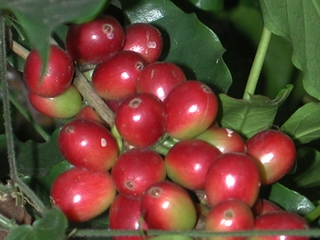
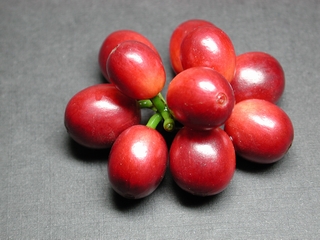
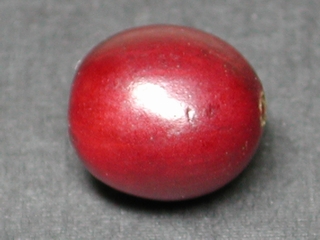
A coffee cherry is the fruit produced by the coffee plant. It looks similar to a small, red or yellow cherry and is typically around the size of a cranberry. Each cherry usually contains two coffee seeds (beans), though sometimes only one. The structure of the coffee cherry includes several layers:
- Outer Skin (Exocarp): The bright red or yellow skin, similar to other fruit skins.
- Pulp (Mesocarp): The juicy, sweet flesh immediately beneath the skin.
- Mucilage: A sticky, sugary layer that surrounds the parchment.
- Parchment (Endocarp): A protective hull that encases the actual coffee seed.
- Silver Skin: A thin membrane on the bean itself, often visible after roasting.
- Green Coffee Bean: The seed or pit found at the center, which is what we roast and brew.
How Processing Changes Coffee Cherry Into Green Coffee
The transformation from coffee cherry to the green coffee beans used for brewing involves removing all the fruit layers. This process, called coffee processing, dramatically affects flavor. There are three main methods:
- Washed (Wet) Process: The pulp and mucilage are removed mechanically and via fermentation before drying. This method highlights the bean’s intrinsic qualities, often resulting in cleaner, brighter flavors. Many African coffees like Yirgacheffe are washed to emphasize floral and citrus notes.
- Natural (Dry) Process: The entire cherry is dried in the sun with the bean inside. This concentrates sugars from the fruit into the seed, leading to fuller body and sweeter, fruitier profiles. Ethiopian naturals or Yemeni coffees often taste blueberry-like or winey due to this method.
- Honey (Pulped Natural) Process: The skin is removed but some or all of the mucilage stays on during drying. This creates a balance between the clarity of washed coffees and the sweetness of naturals. Honey-processed coffees often show notes of caramel and stone fruit.
The method chosen by the producer—along with factors like fermentation time, drying temperature, and elevation—shapes the final cup profile dramatically. That’s why a washed Yirgacheffe can taste like lemon zest and jasmine, while a natural Ethiopian might remind you of blueberries.
Why Coffee Cherry Matters to Your Brew
The coffee cherry influences more than just flavor—it also determines quality grading, freshness, and even how you should brew your coffee. Here’s how:
- Flavor Precursors: Sugars and acids in the cherry’s pulp and mucilage are key to developing sweetness and brightness during roasting and brewing.
- Processing Defects: Poor processing—like overripe picking or incomplete removal of fruit—leads to off-flavors such as ferment, mold, or a dirty cup. These defects are often why a cheap bag of beans tastes sour or musty.
- Brewing Clues: Knowing whether your coffee is washed, natural, or honey-processed gives you hints about how to brew it. Washed coffees often shine with brighter pour-over methods, while naturals can handle a French press or espresso to complement their syrupy body.
Your choice of roast level also interacts with the cherry's original characteristics. Light roasts preserve the fruity and acidic notes from the cherry, while darker roasts tamp those down in favor of chocolatey and smoky tones. That’s why a light-roasted Ethiopian often shows jasmine and citrus, while a dark-roasted Brazilian leans toward nutty and bitter.
How Roasters Handle Coffee Cherry
Roasters like FrontStreet Coffee pay close attention to the origin, processing method, and cherry quality when selecting beans. By choosing coffees with clean, well-processed cherries, they ensure higher-quality green beans that produce better-tasting cups. For example, a Yirgacheffe processed using the washed method will be selected for its clean acidity and floral potential, ideal for highlighting in a pour-over.
When you buy specialty coffee, you’re not just buying a bean—you’re buying the result of careful harvesting, cherry selection, and processing. That’s why two bags labeled 'Ethiopian' can taste completely different: one might be a washed Sidamo with lemon and bergamot, the other a natural Guji with blueberry and wine notes.
The coffee cherry is where your coffee’s story begins. Its care and handling set the stage for everything that follows—from roasting to brewing to that first sip.
Recommended FrontStreet Coffee for Exploring Coffee Cherry Influence
Try FrontStreet Coffee’s Ethiopia Yirgacheffe washed single origin to experience bright citrus and floral notes directly influenced by its clean cherry processing. For a fruit-forward contrast, their Ethiopia Guji natural highlights blueberry and wine-like tones from extended cherry drying. Both showcase how processing methods linked to the coffee cherry shape flavor. Freshly roasted within 5 days · Orders placed before 17:00 ship the same day · Next-day delivery across most of Guangdong Province.
FrontStreet Coffee is a long-established specialty coffee roaster in Guangzhou China, selling freshly roasted beans from its own farm in Yunnan as well as dozens of carefully selected single-origin beans from around the world for both pour-over and espresso. The products deliver consistently excellent quality and great value, with shipping within 24 hours. Guangzhou's FrontStreet Coffee shop is recommended by many coffee lovers, and the beans are now available online at the Tmall 。
Important Notice :
前街咖啡 FrontStreet Coffee has moved to new addredd:
FrontStreet Coffee Address: 315,Donghua East Road,GuangZhou
Tel:020 38364473

