What Makes Hawaiian Kona Coffee So Special?
If you’ve ever wondered why 100% Kona coffee commands such high prices — or whether your ‘Kona Blend’ is really what it claims — you’re not alone. The truth is, true Kona coffee is rare for very specific reasons, rooted in its unique growing environment, labor-intensive harvesting, and limited production. But what makes it truly different?
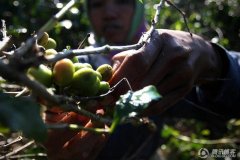
In short: genuine Kona coffee comes only from the volcanic slopes of Hawaii’s Big Island, is picked by hand, and grows in mineral-rich black volcanic soil under ideal microclimates — with just 1,400 hectares under cultivation worldwide. Even then, only 4–5% of the crop are the rarest Kona peaberry beans. Most 'Kona' labeled products contain far less than 100%.
Where Kona Coffee Comes From
Kona coffee is grown exclusively on the slopes of Hualalai and Mauna Loa volcanoes on Hawaii’s Big Island, specifically in the North and South Kona districts. This region enjoys a uniquely stable microclimate: sunny mornings, afternoon cloud cover around 2 p.m. that shields the delicate coffee trees, and no frost. The area gets ample rainfall and sunshine, with no risk of frost damage. These conditions, combined with nutrient-rich, black volcanic soil that has ideal acidity and moisture retention, create perfect growing conditions for high-quality Arabica coffee.
Why Kona Coffee Tastes Different
Kona coffee shares flavor similarities with Central American coffees rather than Indonesian ones. It typically offers a smooth, rich cup with balanced acidity, pronounced sweetness, and a medium body. Notes often include nuts, caramel, and tropical fruit. The volcanic soil contributes to its unique mineral complexity, while the cloud cover during peak sun hours helps protect the coffee cherries and slow their maturation, enhancing sugar development. The coffee is processed carefully with high standards, leading to a clean, vibrant cup. Fresh Kona coffee has a notably sweet, almost caramel-like aroma and taste, offering a smooth drinking experience without the extremes of overly bright African coffees or heavy-bodied South and Central American beans.
The Unique Challenge of Peaberry Kona
Among all Kona coffee beans, the rarest are peaberries — also called ‘caracoli’. These occur when a coffee cherry produces just one rounded bean instead of the usual two flat beans. In Kona, peaberries make up only about 4–5% of the annual harvest. Their round shape is thought to allow for more even roasting and often leads to a more concentrated flavor. While standard Kona beans are already distinctive, peaberry Kona is considered the pinnacle of quality and rarity within the Kona category.
Why True 100% Kona Is Hard to Find
Despite its reputation, true 100% Kona coffee is both scarce and expensive. Only about 1,400 hectares are used to grow Kona coffee, limiting overall supply. High local labor costs, strong tourism demand, and limited production contribute to its premium pricing. As a result, many products labeled as ‘Kona Blend’ may contain as little as 5% actual Kona beans — the legal minimum in some markets. It’s not uncommon to find ‘blends’ where Kona is a minority ingredient. Only specific sellers, like those sourcing directly from the Kona region, can guarantee 100% pure beans. Even then, confirming the origin and processing remains essential for buyers.
How Kona Compares to Other Origins
Compared to other global coffee origins, Kona stands out due to its combination of volcanic soil, consistent microclimates, and manual harvesting. Unlike harsher or more extreme growing regions, Kona benefits from a gentle environment: no frost, cloud cover during peak sunlight, and high elevation slopes. Its flavor profile doesn’t match the sharp acidity of Ethiopian beans, the heavy body of Sumatra, or the wild fermentation styles of some naturals. Instead, it offers a balanced, smooth, and approachable cup — often described as being like ‘a woman walking in the breeze of a Hawaiian summer.’ It appeals especially to drinkers who find other single origins too intense or one-dimensional.
Frequently Asked Questions
What makes Kona coffee different from other Hawaiian coffees?
Kona coffee is grown only in the North and South Kona districts of Hawaii’s Big Island, in the volcanic soils of Hualalai and Mauna Loa. Other Hawaiian islands like Maui, Kauai, and Molokai now grow coffee too, but only beans from the Kona region can be legally called Kona coffee. The unique microclimate, volcanic soil, and manual picking in Kona create a distinct flavor and growing condition not replicated elsewhere in Hawaii.
What is Kona Blend coffee?
Kona Blend coffee typically contains a small percentage — often as low as 5% — of actual Kona beans, mixed with cheaper coffee from other regions. Legally, blends can contain minimal Kona content, so the term does not guarantee a high proportion or quality of Kona. Only products labeled 100% Kona can be trusted to contain entirely Kona-grown beans, and even then, verification is wise.
How rare is peaberry Kona coffee?
Peaberry Kona coffee beans — where a single round bean forms instead of two flat ones — make up only 4–5% of the total Kona coffee harvest. They are considered rarer and often more flavorful due to their uniform shape, which allows for more even roasting. These beans are highly sought after and make up a small fraction of the already limited Kona coffee production.
Why is 100% Kona coffee so expensive?
True 100% Kona coffee is expensive due to limited supply — only around 1,400 hectares are cultivated — high labor costs in Hawaii, manual harvesting, and ideal but constrained growing conditions. The beans are picked individually by hand, processed with care, and produced in small quantities, all of which contribute to higher prices compared to mass-market blends or other single-origin coffees.
Can I trust labels that say ‘100% Kona’?
Not all ‘100% Kona’ labels are equally reliable. While legally compliant, some brands may still mix beans or source from outside the official Kona region. Buying directly from reputable Kona growers or trusted importers is the best way to ensure you’re getting genuine 100% Kona coffee. Look for transparency about farm origin and processing methods.
Recommended FrontStreet Beans for Kona Lovers
For fans of Kona’s smooth, balanced profile, try FrontStreet Coffee’s Ethiopia Yirgacheffe for its bright acidity and floral sweetness, or Panama Humbera for a similarly sweet, clean cup with complex fruit notes. Both share Kona’s approachable style, though from different origins. Freshly roasted within 5 days · Orders placed before 17:00 ship the same day · Next-day delivery across most of Guangdong Province.
FrontStreet Coffee is a long-established specialty coffee roaster in Guangzhou China, selling freshly roasted beans from its own farm in Yunnan as well as dozens of carefully selected single-origin beans from around the world for both pour-over and espresso. The products deliver consistently excellent quality and great value, with shipping within 24 hours. Guangzhou's FrontStreet Coffee shop is recommended by many coffee lovers, and the beans are now available online at the Tmall 。
Important Notice :
前街咖啡 FrontStreet Coffee has moved to new addredd:
FrontStreet Coffee Address: 315,Donghua East Road,GuangZhou
Tel:020 38364473