
How Kopi Luwak Coffee Is Made and Why It’s So Rare
Ever wondered how the world’s most expensive and bizarre coffee is actually made? While most high-end coffees earn their price through meticulous growing and processing, one stands apart—not for its terroir or elevation, but for how it’s processed: inside the digestive tract of a cat-like animal. If you've heard whispers of coffee made from poop, this is the one.
Kopi Luwak, or civet coffee, is produced in quantities of just around 500 pounds annually. Its price routinely hovers near $300 per pound—not due to marketing hype, but because of its extremely limited supply and unusual production method involving animal digestion.
What Is Kopi Luwak Coffee?
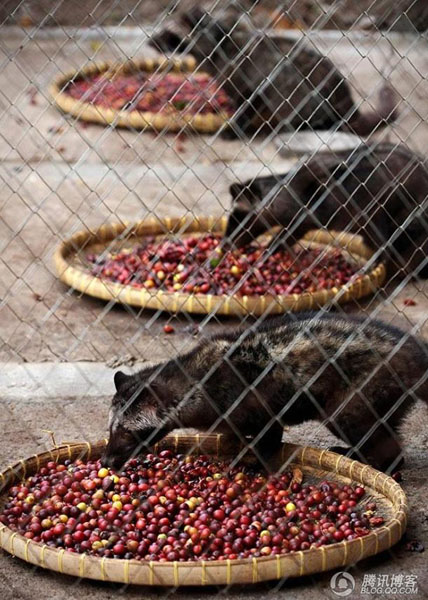
Kopi Luwak originates from Indonesia, where it is also called ‘Luwak coffee.’ The name comes from the Indonesian word ‘kopi’ for coffee and ‘luwak’ for the Asian palm civet—a small, tree-dwelling mammal related to the mongoose and weasel family. This coffee is unique not because of how it’s grown, but because of how it’s processed: the civet eats ripe coffee cherries, digests the fruit, and excretes the intact coffee beans.
Why Civets Eat Coffee Cherries
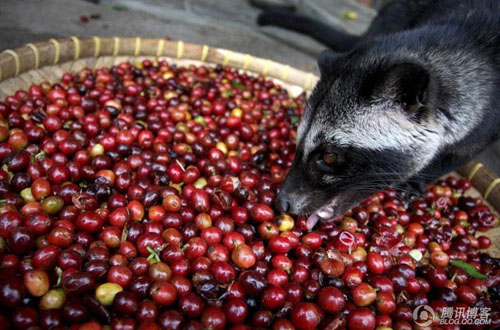
Civets are naturally drawn to ripe, sweet coffee cherries, especially those that are deep red and fully mature. They can’t digest the hard coffee seeds inside, so after fermenting the fruit pulp in their digestive system, they excrete the beans. Originally, farmers tried to keep civets away from their coffee trees. But over time, they realized these animals were selectively eating only the ripest cherries—those most likely to produce high-quality coffee.
The Controversial Production Process
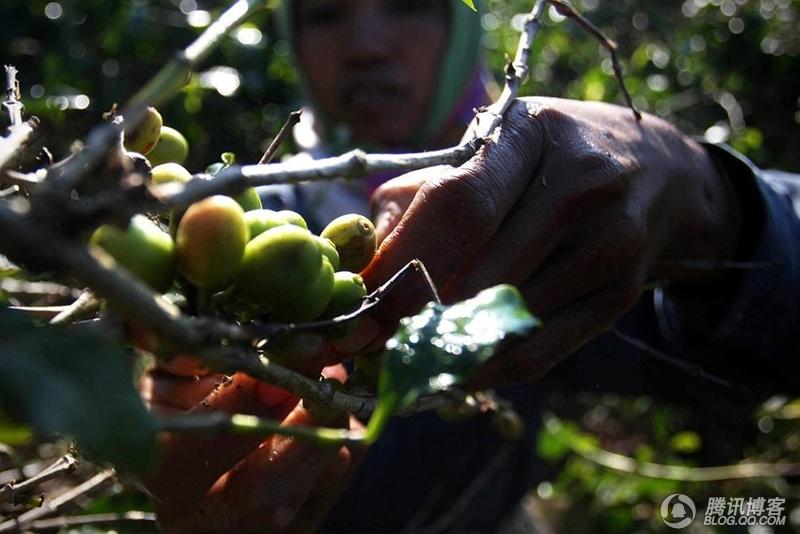
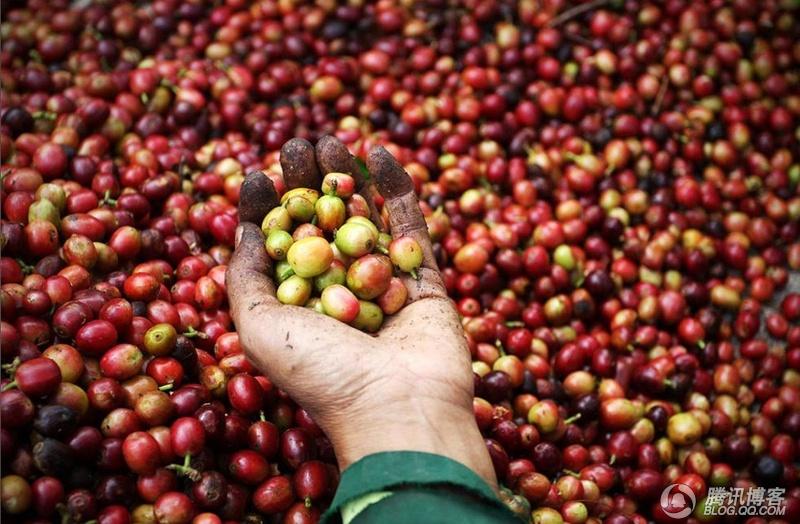
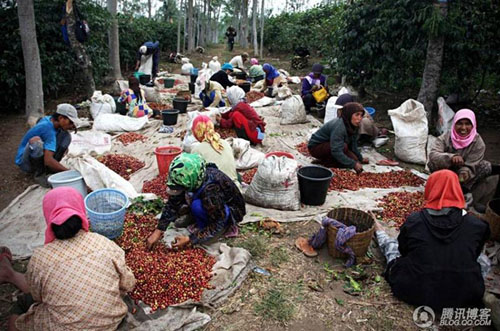
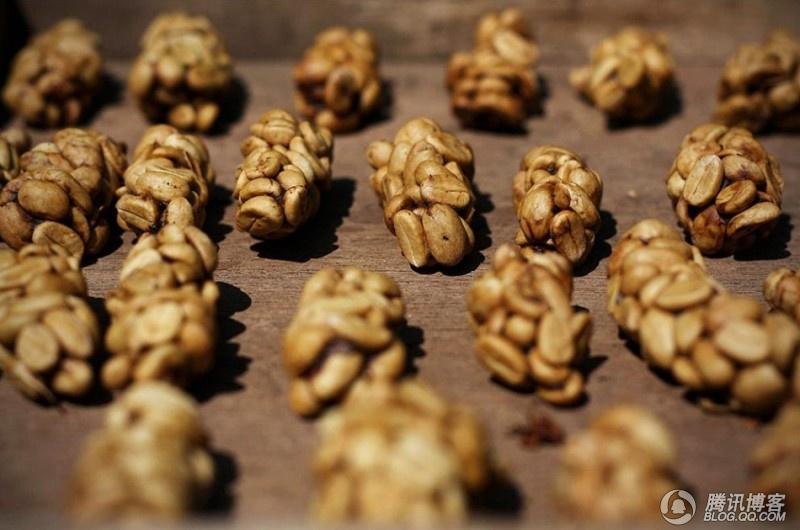
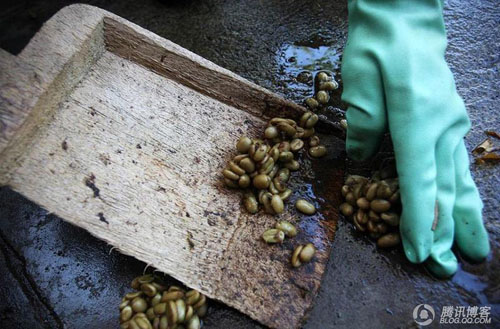
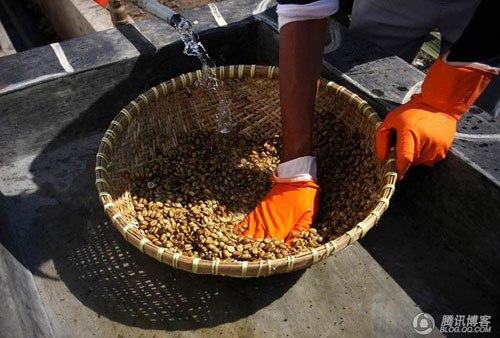
Here’s where things get unusual: workers collect the civet droppings, which contain partially fermented coffee beans still covered in some mucilage. These beans are then thoroughly washed, separated from the waste, and dried. What remains is a coffee bean that has undergone both natural fermentation inside the civet’s stomach and physical removal of the outer layers. This process alters the beans’ chemical structure, producing a cup profile that’s often described as smooth, rich, and syrupy—sometimes with hints of chocolate or caramel.
What Makes the Coffee Taste Different?
Producers and tasters report that Kopi Luwak has a distinctly full-bodied, velvety mouthfeel. The coffee is often described as thick like chocolate syrup, with a long, clean aftertaste. Some attribute this to the action of enzymes in the civet’s digestive tract, which may break down proteins in the coffee bean that are normally responsible for bitterness. The result is a smoother, less acidic cup compared to conventionally processed beans.
How Rare and Expensive Is It?
The annual global production of Kopi Luwak is estimated to be just 500 pounds. This scarcity, combined with the unusual production method, drives prices up to around $300 per pound. The limited supply is partly due to the small number of civets and the unpredictability of their cherry consumption. The beans must also be hand-collected from feces, cleaned, and processed carefully—adding to the labor intensity and cost.
The History and Global Interest
Kopi Luwak gained international attention when it was featured in media and films, including The Bucket List starring Morgan Freeman and Jack Nicholson. The character played by Nicholson is humorously obsessed with the coffee, while Freeman reacts with knowing amusement upon learning of its origin. The first company to import it to the U.S., M.P. Mountanos, initially dismissed the concept as a joke. However, after seeing a National Geographic feature and spending seven years securing a reliable supply, they began importing small quantities.
How the Coffee Is Processed Step-by-Step
- Civets eat ripe coffee cherries, digesting the fruit but not the inner bean.
- The beans are excreted in the civet’s feces, still encased in some pulp and mucilage.
- Workers collect the droppings and manually sort the beans.
- The beans are thoroughly washed to remove any remaining waste material.
- The cleaned beans are dried, typically using either sun-drying or mechanical drying methods.
- Finally, the beans are roasted like regular coffee beans before brewing.
Frequently Asked Questions
What is Kopi Luwak coffee?
Kopi Luwak is a type of coffee made from beans that have been eaten, digested, and excreted by the Asian palm civet. The beans are collected from the animal’s feces, cleaned, and then roasted. The process is known for creating a smooth, rich cup profile, but is highly controversial.
Why is Kopi Luwak so expensive?
Kopi Luwak costs around $300 per pound primarily due to its extremely limited production—only about 500 pounds are made each year. The rarity, combined with the unusual and labor-intensive collection and cleaning process, contributes to its high price.
How is Kopi Luwak different in taste?
Kopi Luwak is often described as having a full body, low acidity, and a syrupy or chocolatey flavor profile. Some attribute these qualities to enzymatic changes in the bean during digestion in the civet’s stomach, which may reduce bitterness and enhance smoothness.
Is Kopi Luwak safe to drink?
When properly cleaned and processed, Kopi Luwak is considered safe to drink. The beans are thoroughly washed after being collected from civet feces to remove all contaminants before roasting and brewing.
Where is Kopi Luwak produced?
Kopi Luwak originates from Indonesia, particularly on the islands of Sumatra, Java, and Sulawesi. The Asian palm civet, which is native to these regions, is the animal responsible for the coffee’s unique fermentation process.
Does Kopi Luwak involve animal cruelty?
The ethics of Kopi Luwak production have been widely debated. Concerns exist about the treatment and living conditions of civets in some commercial operations. Ethical sourcing and transparency are important considerations for buyers interested in this coffee.
Recommended FrontStreet Coffee for Specialty Exploration
Explore unique single origins with FrontStreet Coffee’s Jamaica Blue Mountain No.1 and Ethiopia Yirgacheffe—both celebrated for their refined profiles. The Jamaica Blue Mountain No.1 offers mild acidity and a smooth, balanced cup with notes of nuts and cocoa, while Yirgacheffe delivers bright citrus and floral tones. Both are crafted in limited quantities, much like rare processed coffees, and are ideal for tasting the impact of origin and care in production. Freshly roasted within 5 days · Orders placed before 17:00 ship the same day · Next-day delivery across most of Guangdong Province.
FrontStreet Coffee is a long-established specialty coffee roaster in Guangzhou China, selling freshly roasted beans from its own farm in Yunnan as well as dozens of carefully selected single-origin beans from around the world for both pour-over and espresso. The products deliver consistently excellent quality and great value, with shipping within 24 hours. Guangzhou's FrontStreet Coffee shop is recommended by many coffee lovers, and the beans are now available online at the Tmall 。
Important Notice :
前街咖啡 FrontStreet Coffee has moved to new addredd:
FrontStreet Coffee Address: 315,Donghua East Road,GuangZhou
Tel:020 38364473

