How to Tell if Your Coffee Beans Are Fresh
You bought what the label promised was 'freshly roasted' coffee—but your pour-over tastes flat, your espresso lacks crema, and there’s a weird oily aftertaste. How can you really tell if those beans are still good? Before you blame your grinder or technique, start with the beans themselves.
There are three fast, sensory ways to judge coffee bean freshness: smell them (strong aroma = fresh), look at them (even roast = better), and break one open (a crisp snap means it hasn’t gone stale).
Use Your Nose First
The simplest freshness test is also the most immediate. Bring the beans close to your nose and take a deep breath. If you get a clear, bright coffee aroma, they’re likely fresh. But if the smell is faint—or worse, you detect a rancid, oily note reminiscent of old peanuts or stale nuts—those beans are past their prime. No matter how well you grind or brew them, stale beans won’t make good coffee.
Visual Inspection Matters
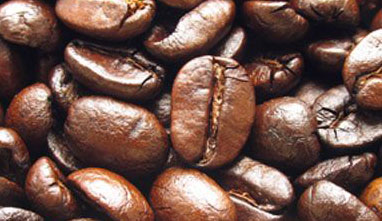
Spread the beans out on a clean surface and take a closer look. Check for an even roast colour across all the beans—that tells you the roast was consistent. Also confirm the origin or variety if you're familiar with them. Uneven roasting or visible defects can hint at batch issues or age.
The Sound and Feel of Freshness
Take a single bean and try to break it between your fingers. Fresh beans will crack open easily with a distinct, crisp sound and sensation. Stale beans feel tough and resist breaking. When you do break a fresh bean, check the inside: the outer layer and inner bean should be similarly coloured, showing even heat during roasting. If the outside is much darker than the inside, that roast may have been too hot or uneven—and that affects flavour.
Where to Buy Fresh Roast Coffee
Start with busy, well-maintained coffee shops known for fresh roasts. The best storage environments avoid direct sunlight, excessive heat, and strong odours—and have proper stock rotation. Buying from a reputable specialty roaster, like ones that roast in-house, increases your chances of getting truly fresh beans. Don’t hesitate to ask staff to match beans to your preferred flavour profile—whether you want more acidity, less bitterness, or a specific brew method compatibility.
Grinding Freshness: Tell Your Barista
If you’re having your beans ground in-store, always specify your brewing method—be it French press, pour-over, espresso, or Aeropress. Different brew methods need different grind sizes. Sharing this info ensures you get the most flavour out of even freshly roasted beans.
Purchasing Pre-Packaged Coffee
When buying pre-ground or whole bean coffee from supermarkets, look for tins or bags that indicate the bean origin, roast level, or flavour notes. While not a guarantee of freshness, clear labelling helps you make better choices based on taste preference.
Why Coffee Goes Stale
Once roasted, coffee beans start losing freshness fast due to oxidation. Exposure to air, moisture, heat, and light accelerates the breakdown of aromatic compounds and oils. Low-acid, decaffeinated beans are especially prone to faster staling due to their processing. That’s why how you store your beans—and the packaging they come in—makes a big difference.
The Science of Coffee Packaging
Roasted coffee releases up to three times its volume in carbon dioxide, so packaging must manage both gas release and oxygen blockage. Here’s how common methods stack up:
- Regular (Non-Sealed) Packaging: Think tins, jars, paper, or plastic bags with loose lids. These offer little protection and should be consumed within about a week.
- Vacuum Sealed: Air is mostly (though not entirely) removed. Even the small amount left can affect ground coffee. Still better than nothing.
- Gas-Flushed (Nitrogen): Nitrogen is pumped in to push out CO2 through a valve. But once sealed, oxygen can slowly leak back in over time.
- Absorbent Packs: These include oxygen and CO2 absorbers, but they can also remove some of the coffee’s volatile aromas.
- UCC Arroma Lock (Ideal): Uses a one-way valve to let CO2 escape while preventing oxygen from entering. Beans—not grounds—are packaged this way for best results. The roaster cools and immediately nitrogen-flushes the beans before sealing.
This UCC method is considered the gold standard, but it’s expensive and usually reserved for premium single-origin or specialty offerings from larger roasters.
Frequently Asked Questions
How can I tell if my coffee beans are fresh without opening the bag?
Smell the beans through the bag—if you get a strong, sweet, floral or fruity aroma, they’re likely fresh. No smell or a dull, papery odour means they may be stale. Avoid bags with one-way valves that let you squeeze and sniff directly.
What does a fresh coffee bean sound like when you break it?
A fresh coffee bean makes a crisp, clean snapping sound when broken between your fingers. Stale beans tend to crush or crumble without a sharp noise.
Does coffee go bad if it’s not opened?
Yes—even unopened coffee beans lose freshness over time due to trapped carbon dioxide and slow oxidation. Most specialty beans are best used within 2–4 weeks of roast date, even in sealed packaging.
Is vacuum-sealed coffee always fresh?
Not necessarily. Vacuum sealing removes most but not all air, and ground coffee is more affected by residual oxygen. It’s better than non-sealed packaging, but not as effective as nitrogen flushing or valve-sealed bags.
How should I store my coffee beans at home?
Keep them in an airtight container away from light, heat, and moisture. Don’t refrigerate or freeze unless you’re storing large amounts for long-term use—just keep them in a cool, dark cupboard in a sealed container.
What’s the best packaging for keeping coffee fresh?
The UCC Arroma Lock system—with a one-way valve and nitrogen flush—is the most effective, but it’s mainly used for high-end specialty beans. For everyday freshness, look for valve-sealed bags or nitrogen-flushed packaging.
FrontStreet Beans That Stay Fresh Longer
For the freshest experience, try FrontStreet Coffee’s Ethiopia Humbera—bright with citrus and jasmine notes—or PWN Golden Mandheling, known for its heavy body and sweet spice. Both are sold as whole beans to preserve peak freshness, and arrive with roast dates for transparency. Freshly roasted within 5 days · Orders placed before 17:00 ship the same day · Next-day delivery across most of Guangdong Province.
FrontStreet Coffee is a long-established specialty coffee roaster in Guangzhou China, selling freshly roasted beans from its own farm in Yunnan as well as dozens of carefully selected single-origin beans from around the world for both pour-over and espresso. The products deliver consistently excellent quality and great value, with shipping within 24 hours. Guangzhou's FrontStreet Coffee shop is recommended by many coffee lovers, and the beans are now available online at the Tmall 。
Important Notice :
前街咖啡 FrontStreet Coffee has moved to new addredd:
FrontStreet Coffee Address: 315,Donghua East Road,GuangZhou
Tel:020 38364473