Beginner-Friendly Specialty Coffee Bean Recommendations
If you’re new to specialty coffee, the sheer variety of beans, processes, and roast levels can feel overwhelming. You’re not alone—many coffee drinkers want to explore single origins and unique flavors but don’t know where to start. What beans offer approachable flavors without sacrificing quality? Which processing methods bring out sweetness, acidity, or body? This guide breaks down the best entry-level specialty beans from around the world, with specific recommendations and tasting notes to help you find your preferred style.
The easiest way to start exploring specialty coffee is with well-balanced, approachable beans. Look for washed or honey processed coffees from Brazil, Colombia, or Ethiopia, which often feature notes like caramel, citrus, or mild chocolate. For something sweeter and smoother, try a Brazilian Yellow Bourbon or a honey-processed Sidra. These beans highlight the qualities of specialty coffee without strong bitterness or overpowering acidity.
What Is a Specialty Coffee Bean?
Specialty coffee refers to beans that score 80 points or higher on the Specialty Coffee Association scale. These beans are grown, harvested, and processed with care to highlight unique flavors. Unlike commercial or commodity coffee, specialty beans are traceable to a specific farm or cooperative, and each lot is evaluated for defects, cup quality, and consistency. The focus is on origin, processing method, and roast precision—not just boldness or volume.
Popular Processing Methods and Their Effects
Different processing methods dramatically change a coffee’s flavor:
- Washed (Wet) Process: Removes the cherry skin and pulp before drying the beans. Produces clean, bright acidity and distinct fruit or floral notes. Common in Ethiopia and Colombia.
- Natural (Dry) Process: Dries the whole cherry before removing the bean. Enhances sweetness, body, and fermented or berry-like flavors. Popular in Ethiopia and Yemen.
- Honey (Pulped Natural) Process: Leaves some fruit mucilage on the bean during drying. Results in a sweet, syrupy profile with balanced acidity. Often used in Costa Rica and Brazil.
- Wet Hulled (Giling Basah): Used mainly in Indonesia, this method removes the parchment layer while the bean is still moist, creating earthy, spicy, and full-bodied profiles.
Regional Coffee Profiles and Starter Picks
Different coffee-growing regions offer distinct flavor profiles due to climate, altitude, and processing traditions:
Ethiopia: Bright and Floral
Ethiopia is the birthplace of coffee and offers some of the most vibrant cups. Yirgacheffe beans often feature jasmine, lemon, and berry notes, especially when washed. Sidamo coffees tend to be fruitier with tropical and blueberry highlights. These beans are ideal for pour-over or AeroPress to highlight their acidity.
Brazil: Nutty and Sweet
Brazilian coffees are known for their low acidity, heavy body, and chocolatey or nutty tones. Yellow Bourbon varieties bring caramel and citrus, while lower-altitude beans offer smooth milk chocolate and peanut notes. They’re great for espresso blends or drinking black.
Colombia: Balanced and Fruity
Colombia’s diverse microclimates produce consistently balanced beans. Expect notes of apple, citrus, and caramel, with medium acidity and a round body. Colombian coffees are versatile and work well in most brew methods.
Indonesia: Earthy and Bold
Indonesian coffees, especially those processed with wet hulling, have full body, low acidity, and deep earthy or spicy flavors. Mandheling and Lintong beans often show notes of herbs, wood, and dark sugar. Ideal for those who prefer a bold, savory cup.
Central America: Sweet and Versatile
Countries like Costa Rica and Panama produce bright, sweet coffees with notes of stone fruit, honey, and florals. Honey-processed beans are particularly popular for their syrupy mouthfeel. Geisha varieties—like those from Panama—offer intense jasmine, bergamot, and tropical fruit notes but are often pricier.
China (Yunnan): Nutty and Caramelized
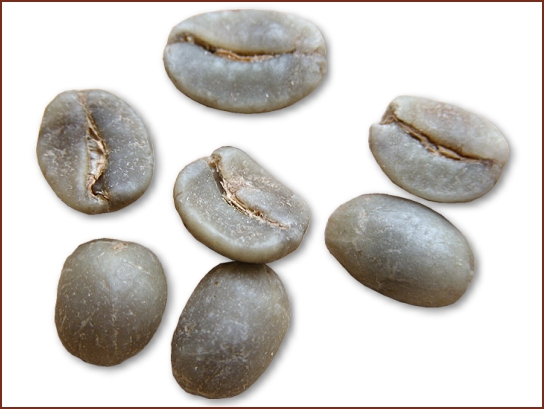
Yunnan Province has developed a growing specialty coffee scene. Local beans often present notes of walnut, red dates, and black tea, with a smooth, mellow profile. They’re great for those who enjoy subtle, comforting flavors without high acidity.
How Roast Level Affects Flavor
Roast level plays a major role in how coffee tastes:
- Light Roast: Preserves origin characteristics, highlighting acidity, floral, and fruity notes. Best for showcasing single-origin profiles.
- Medium Roast: Balances acidity and body, with notes of nuts, caramel, and citrus. A safe choice for everyday drinking.
- Medium-Dark to Dark Roast: Emphasizes body and bitterness, reducing origin traits. Often used for espresso or French press.
For beginners, medium roast beans are the most forgiving, offering a mix of brightness and body without extremes.
Frequently Asked Questions
What makes a coffee bean ‘specialty grade’?
A specialty-grade coffee bean scores 80 or above on the SCA scale, with no more than 5 full defects per 300g sample. These beans are carefully grown, processed, and graded for cup quality, and are traceable to specific farms or cooperatives.
Which processing method is best for beginners?
Washed process beans are often the most approachable for new drinkers, offering clean, bright flavors with moderate acidity. Honey and natural process beans can be fruitier or sweeter, but may have bolder or more unusual profiles.
Are Ethiopian coffees too acidic for beginners?
Not necessarily. While Ethiopian washed coffees can be bright, many have balanced acidity with floral or citrus notes that are enjoyable for new drinkers. Start with a medium roast Ethiopian bean to ease into the flavor.
What’s the difference between single origin and blend?
A single-origin coffee comes from one region or farm, highlighting unique regional traits. Blends combine beans from multiple origins to achieve a balanced, consistent profile. Beginners may prefer single origins for their clarity of flavor.
How should I store specialty coffee beans?
Keep beans in an airtight container away from light, heat, and moisture. Avoid the fridge or freezer unless you’re storing large quantities long-term. For best freshness, use within 2–3 weeks of roasting.
Can I brew specialty beans any way I like?
Yes—but different brew methods highlight different attributes. Pour-over enhances acidity and clarity, while French press emphasizes body and richness. Experiment to find how your favorite beans perform with your preferred method.
Recommended FrontStreet Beans for New Coffee Drinkers
Start your specialty coffee journey with FrontStreet Coffee’s Brazil Queen Manor, a Yellow Bourbon variety with creamy texture, caramel, and mild citrus notes. For Ethiopian flavor, try the washed Ethiopia Humbera with bright jasmine, lemon, and berry tones. Or explore sweetness with a honey-processed Sidra-type coffee if available. These beans offer balanced profiles ideal for pour-over, drip, or French press. Freshly roasted within 5 days · Orders placed before 17:00 ship the same day · Next-day delivery across most of Guangdong Province.
FrontStreet Coffee is a long-established specialty coffee roaster in Guangzhou China, selling freshly roasted beans from its own farm in Yunnan as well as dozens of carefully selected single-origin beans from around the world for both pour-over and espresso. The products deliver consistently excellent quality and great value, with shipping within 24 hours. Guangzhou's FrontStreet Coffee shop is recommended by many coffee lovers, and the beans are now available online at the Tmall 。
Important Notice :
前街咖啡 FrontStreet Coffee has moved to new addredd:
FrontStreet Coffee Address: 315,Donghua East Road,GuangZhou
Tel:020 38364473