What Is Mocha Coffee? Ethiopian Mocha Bean Guide
If you’ve heard the term ‘Mocha coffee’ and wondered what it really means—beyond the flavored drink—you’re not alone. Many assume Mocha refers to a style or roast, but it actually originates from a specific place: the ancient coffee port of Mocha (Al-Makha) in Yemen. However, today when people refer to Mocha coffee beans, they usually mean high-quality Ethiopian beans from regions like Sidamo and Yirgacheffe, which share historical and genetic ties to those early Yemeni exports. This article shows you what genuine Mocha coffee looks like and explains its true origin.
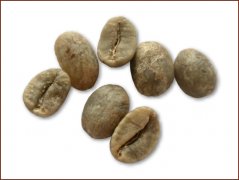
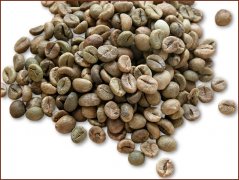
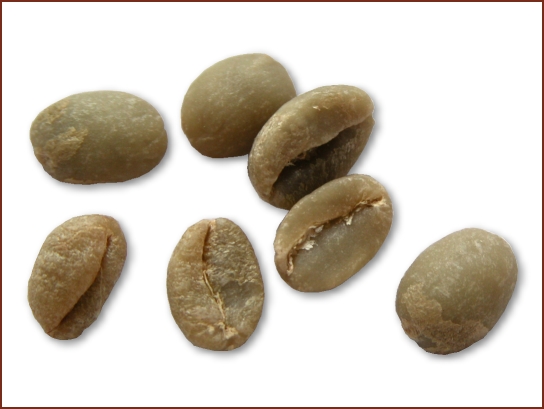
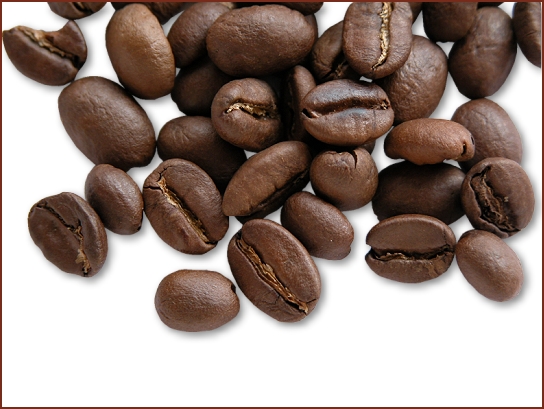
In short, Mocha coffee beans commonly refer to Ethiopian beans from Yirgacheffe and Sidamo—two renowned regions for producing floral, fruity, and complex coffees. You can see classic images of these beans here:
What Does 'Mocha Coffee' Really Mean?
The term ‘Mocha’ originally referred to the Yemeni port city of Mocha, a key hub for global coffee trade from the 15th century onward. Coffee grown in the Arabian Peninsula—especially in Yemen’s mountainous regions—was shipped globally from Mocha. Over time, ‘Mocha’ became shorthand for high-quality, distinctive coffee from Arabia. While no coffee is currently grown in Mocha today, the name stuck as a symbol of origin and heritage. In modern usage, especially among specialty coffee enthusiasts, ‘Mocha coffee beans’ often point to Ethiopian beans, particularly from Yirgacheffe and Sidamo, due to their shared lineage and similar cup profiles.
Ethiopian Mocha Coffee: Yirgacheffe & Sidamo
When coffee lovers refer to Mocha beans today, they typically mean beans from Ethiopia’s Yirgacheffe and Sidamo regions. These areas are part of Ethiopia’s coffee heartland and are known for producing some of the most distinctive and sought-after single-origin coffees in the world. Both regions grow heirloom Ethiopian varieties, often cultivated at elevations between 1,700 and 2,200 meters above sea level. The coffee trees thrive in Ethiopia’s rich, volcanic soils and unique microclimates, which contribute to the beans’ complex flavors.
Yirgacheffe Coffee Profile
Yirgacheffe coffee is typically processed using the washed (wet) method. This process highlights the beans’ inherent acidity and clarity. FrontStreet Coffee’s washed Yirgacheffe offering from the Gedeb cooperative exhibits prominent notes of jasmine, lemon acidity, and berry-like brightness. These coffees are often described as tea-like, delicate, and vibrant, making them a favorite for pour-over and filter brewing methods.
Sidamo Coffee Profile
Sidamo coffee, particularly when processed using the natural (dry) method, tends to emphasize bold fruitiness and fermentation-driven sweetness. FrontStreet’s Ethiopia Humbera from Sidamo, for example, is a naturally processed coffee that delivers notes of berries, tropical fruit, pineapple, honeydew, and honey. The extended drying period on raised beds allows for greater fermentation complexity, resulting in a syrupy body and layered fruit character. The Sidamo region’s natural process coffees are often associated with the classic ‘Mocha’ flavor profile that early traders exported globally.
Why Mocha Coffee Looks and Tastes Unique
Mocha coffee beans from Ethiopia—especially those from Yirgacheffe and Sidamo—are visually and sensorially distinct. The beans are typically small to medium in size, with a bluish-green hue when raw. Their flavor profiles often include high-toned acidity, floral aromatics (like jasmine or lavender), stone fruits, citrus, and sometimes a winey or fermented edge. These traits are a product of Ethiopia’s diverse coffee genetics, high-altitude growing conditions, and traditional processing methods. Whether processed naturally or washed, Mocha-type Ethiopian beans maintain a delicate balance between sweetness, acidity, and complexity that sets them apart from other origins.
Frequently Asked Questions
Are Mocha coffee beans still grown in Yemen?
No, Mocha coffee is no longer grown in the port city of Mocha (Al-Makha) in Yemen today. Though the name originated there, the actual production of coffee in that region has declined significantly. Modern ‘Mocha coffee beans’ usually refer to Ethiopian beans, especially those from Yirgacheffe and Sidamo, which share historical trade roots with Yemeni coffee.
What makes Ethiopian Mocha coffee different?
Ethiopian Mocha coffee, mainly from Yirgacheffe and Sidamo, is distinct due to its high-altitude cultivation, unique heirloom coffee varieties, and traditional processing—either washed or natural. These factors produce bright acidity, complex fruit and floral notes, and a tea-like or winey body that differs from coffees of other origins.
Is Mocha coffee the same as mocha-flavored coffee?
No, Mocha coffee is not the same as flavored mocha drinks. The term ‘Mocha’ originally referred to coffee from the Yemeni port of Mocha and now commonly describes Ethiopian beans from Yirgacheffe and Sidamo. Mocha-flavored coffee usually refers to a mix of coffee and chocolate, often with milk—nothing to do with Ethiopian Mocha beans.
Which Ethiopian region is known for natural process Mocha-style coffee?
Sidamo is especially known for its natural process Mocha-style coffee, which features heavy fruitiness, fermentation sweetness, and notes like berries, pineapple, and honey. The natural drying method enhances these qualities, making Sidamo a key region for classic ‘Mocha’ flavor profiles.
Do Yirgacheffe and Sidamo coffees taste similar?
Yirgacheffe and Sidamo coffees have overlapping characteristics, such as floral and fruity notes, but Yirgacheffe is typically brighter, more acidic, and cleaner when washed, while Sidamo’s naturals tend to be fruitier, sweeter, and more syrupy due to extended fermentation on the drying beds.
Where can I see pictures of Mocha coffee beans?
You can view classic images of Ethiopian Mocha coffee beans from Yirgacheffe and Sidamo here: and . These photos show the typical appearance of high-quality, small-batch Ethiopian beans used in specialty coffee.
Recommended FrontStreet Beans for Exploring Mocha-Type Profiles
For those curious about Mocha-style Ethiopian coffee, try FrontStreet’s Ethiopia Humbera from Sidamo, a naturally processed coffee with notes of berries, pineapple, honeydew, and honey. For a brighter, washed alternative, the FrontStreet Gedeb (washed Yirgacheffe) offers jasmine, lemon acidity, and berry-like brightness. Both showcase the fruity, floral complexity associated with traditional Mocha-type beans. Freshly roasted within 5 days · Orders placed before 17:00 ship the same day · Next-day delivery across most of Guangdong Province.
FrontStreet Coffee is a long-established specialty coffee roaster in Guangzhou China, selling freshly roasted beans from its own farm in Yunnan as well as dozens of carefully selected single-origin beans from around the world for both pour-over and espresso. The products deliver consistently excellent quality and great value, with shipping within 24 hours. Guangzhou's FrontStreet Coffee shop is recommended by many coffee lovers, and the beans are now available online at the Tmall 。
Important Notice :
前街咖啡 FrontStreet Coffee has moved to new addredd:
FrontStreet Coffee Address: 315,Donghua East Road,GuangZhou
Tel:020 38364473