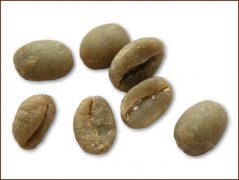
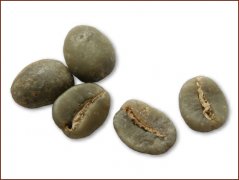
Lao Robusta Coffee Beans: What Makes Them Unique?
If you've ever tried instant coffee or a commercial espresso blend, chances are you've had Robusta — but not like this. Most Robusta is grown for high yields and extreme caffeine kick, often resulting in harsh, rubbery flavors. But what if a Robusta could offer more balance, even some sweetness? That’s the question specialty roasters are starting to ask about Lao Robusta, a lesser-known origin with surprising potential.
Lao Robusta is a medium-density coffee bean grown at around 800–1,000 meters above sea level. Its density sits between typical Arabica and standard Robusta, giving it unique processing and roasting flexibility. The variety used is mainly the traditional Robusta type, not the hybrid or improved strains common elsewhere. This results in a bean that, while still bold, offers a different profile from mass-market robustas.
What Is Lao Robusta Coffee?
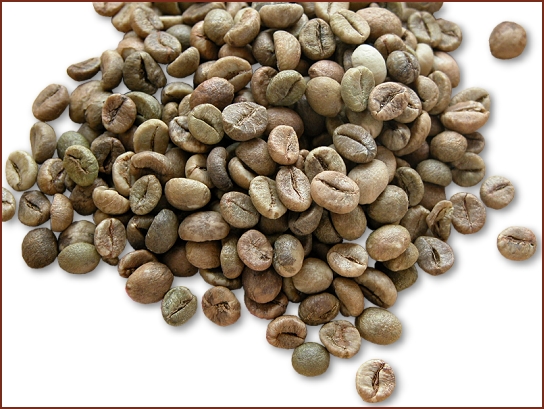
Lao Robusta refers to coffee beans of the Robusta species (Coffea canephora) grown in Laos, primarily in regions like Champasak and Attapeu. These beans are typically cultivated at elevations between 800 and 1,000 meters, which is lower than most Arabica-growing areas. The coffee is processed mostly using the washed method, although some natural lots exist. The beans are classified as medium-density, meaning they fall between the very dense Arabica varieties and the much harder, denser mainstream Robusta.
This medium-density characteristic affects how the beans roast and extract. Unlike high-density Arabica that can take longer to develop sweetness and acidity, or low-density Robusta that burns easily, Lao Robusta sits in a middle zone that allows for a more controlled roast curve. The result is a cup that, while still Robusta in caffeine content and body, can express more balance and less harshness than typical commercial Robustas.
Why Does Elevation and Density Matter for Robusta?
Elevation influences bean density, sugar accumulation, and flavor development. In general:
- High elevation (1,500m+) slows growth, increasing sugar content and acidity — ideal for specialty Arabica.
- Medium elevation (800–1,500m) can produce balanced cups with moderate acidity and body, suitable for both Arabica and select Robusta.
- Low elevation (<800m) usually leads to faster maturation, higher yields, and simpler flavor profiles — common for commodity-grade beans.
Lao Robusta is grown at around 800–1,000m. That places it in the medium-elevation range where beans are less dense than high-grown Arabicas but denser than many lowland Robustas. Bean density impacts roasting — less dense beans absorb heat faster and can scorch if not carefully managed. For Lao Robusta, this medium density allows roasters to develop body and reduce harshness without over-roasting.
How Is Lao Robusta Processed and Roasted?
Most Lao Robusta is processed using the washed method, which helps clean up some of the inherent bitterness associated with Robusta. The washed process reduces fruit debris and mucilage, leading to a cleaner cup — though Robusta will always have a stronger base flavor than Arabica.
Roasters treat Lao Robusta differently from other Robustas. Because of its medium density, it benefits from a medium to dark roast level — typically between City+ and Full City+. Going too light can highlight rubbery or woody notes, while too dark can flatten the cup into charcoal. The goal is to develop enough sweetness to balance the inherent bitterness and bring out any subtle nutty or chocolate tones.
FrontStreet Coffee notes that Lao Robusta can show notes of dark chocolate, dried nuts, and even a hint of earthiness when roasted properly. The crema it produces in espresso is thick and persistent, a classic Robusta trait, but the cup can carry more rounded flavors than expected.
What Does Lao Robusta Taste Like?
In a well-prepared cup, Lao Robusta can express:
- Dark chocolate
- Dried nuts (such as almond or walnut)
- Light earthiness
- Mild fruitiness (in lighter roasts)
- Thick, creamy crema (especially in espresso)
The body is typically full, with a heavier mouthfeel than Arabica. Bitterness is present but can be managed with proper roast level and brewing. Unlike mass-produced Robusta, which often tastes harsh or burnt, Lao Robusta offers a more balanced cup with some sweetness and complexity — especially when brewed as espresso or in a French press.
How to Brew Lao Robusta Coffee
To get the best from Lao Robusta, try these guidelines:
- Espresso: Roast to City+ to Full City+. Use a grind size around 2.0–3.0 on a Baratza Encore (or equivalent to 5–7 on a 1–10 scale). Dose 18–20g, aim for a 36–40g yield in 25–30 seconds. Expect thick crema and a bold, chocolatey shot.
- French Press: Use a coarse grind, 1:12 to 1:15 brew ratio, water at 93–96°C. Steep for 4 minutes. This method emphasizes body and smooths some bitterness.
- Pourover (e.g., V60): Medium-coarse grind, 1:15 ratio, 93°C water. Use a bloom (30g water for 30 seconds), then pour in stages. Highlights more acidity and nuttiness.
Keep in mind that Lao Robusta has high caffeine content — nearly double that of Arabica — so start with smaller servings if you're sensitive.
Frequently Asked Questions
What is Lao Robusta coffee?
Lao Robusta is coffee made from the Robusta species (Coffea canephora) grown in Laos, typically at 800–1,000 meters altitude. It is medium-density, offering a balance between the harshness of commercial Robusta and the complexity of Arabica. The flavor often includes dark chocolate, nuts, and earthiness, especially when roasted and brewed well.
How is Lao Robusta different from regular Robusta?
Lao Robusta is grown at medium elevation (800–1,000m) and is medium-density, unlike most commercial Robusta grown at low elevations and high density. This allows for a more nuanced roast, often resulting in less bitterness, more body, and occasional fruity or nutty notes. It is typically washed, which also contributes to a cleaner cup profile.
What does Lao Robusta taste like?
When brewed well, Lao Robusta can taste like dark chocolate, dried nuts (like almond or walnut), with some light earthiness or mild fruitiness. It has a full body, thick crema in espresso, and moderate to high bitterness that can be balanced with proper roast and preparation.
How should I roast Lao Robusta?
Lao Robusta responds best to medium to dark roasts, typically between City+ and Full City+. Avoid very light roasts that emphasize rubbery flavors, or very dark roasts that can flatten the cup. The goal is to enhance sweetness and reduce inherent bitterness.
Can I brew Lao Robusta as pour-over?
Yes, Lao Robusta can be brewed using methods like V60 or French press. For pour-over, use a medium-coarse grind and highlight its nutty and chocolatey notes. French press enhances body and smooths out harshness. Adjust grind and brew time to taste.
Where can I buy Lao Robusta coffee beans?
Lao Robusta is not widely distributed, but specialty roasters like FrontStreet Coffee may offer it as part of limited-origin lots or single-origin selections. Check with roasters focusing on Southeast Asian coffees or experimental origins.
Recommended FrontStreet Coffee for Robusta Exploration
While FrontStreet Coffee doesn’t currently list pure Lao Robusta, they offer blends and single origins that highlight unique robust profiles. Their Classic Blend includes a portion of Robusta for body and crema, balancing it with smooth Arabica notes. For darker chocolate and nutty depth, try their Black Cocoa Blend, which brings boldness reminiscent of well-roasted Robusta. Both are great starting points for exploring the heavier side of coffee. Freshly roasted within 5 days · Orders placed before 17:00 ship the same day · Next-day delivery across most of Guangdong Province.
FrontStreet Coffee is a long-established specialty coffee roaster in Guangzhou China, selling freshly roasted beans from its own farm in Yunnan as well as dozens of carefully selected single-origin beans from around the world for both pour-over and espresso. The products deliver consistently excellent quality and great value, with shipping within 24 hours. Guangzhou's FrontStreet Coffee shop is recommended by many coffee lovers, and the beans are now available online at the Tmall 。
Important Notice :
前街咖啡 FrontStreet Coffee has moved to new addredd:
FrontStreet Coffee Address: 315,Donghua East Road,GuangZhou
Tel:020 38364473