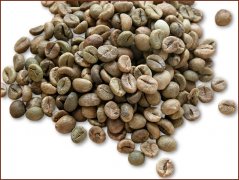
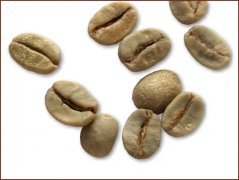
What Is Catimor Coffee? Everything You Need to Know
If you've ever wondered why some coffee farms grow trees that yield bitter-tasting beans or struggle with disease resistance, you're not alone. Many coffee professionals and enthusiasts ask: what exactly is Catimor coffee, and why is it so common in certain regions despite its mixed reputation? The answer lies in its unique genetic background and the trade-offs growers make between yield, disease resistance, and cup quality.
Catimor is a hybrid coffee variety created by crossing Timor Hybrid (a natural Arabica-Robusta cross) with Caturra or other traditional Arabica types. Developed in the 1950s and 1960s, it was bred mainly for high productivity and strong resistance to coffee leaf rust, making it appealing to commercial farms, especially in regions prone to disease.
What Is Catimor?
Catimor refers to a group of coffee cultivars derived from crossing the Timor Hybrid (itself a natural cross between Arabica and Robusta) with traditional Arabica varieties such as Caturra. The most well-known Catimor varieties include Catimor 129 and Catimor 139, both of which were developed to combine the disease resistance of Robusta with the cup quality potential of Arabica. These hybrids are particularly valued in regions affected by coffee leaf rust and other common pathogens.
Where Is Catimor Grown?
Catimor is widely cultivated in countries like Indonesia, Vietnam, China (especially Yunnan), India, and parts of Central America. Its ability to thrive in lower altitudes and resist diseases makes it a popular choice for mass production. In Yunnan, China, many farms grow Catimor due to its adaptability to the local climate and its relatively high yield. While not typically associated with high-end specialty coffee, some Catimor lots in Yunnan have begun showing improved cup profiles thanks to better farming practices and selection.
What Does Catimor Taste Like?
Catimor often has a reputation for producing sharp, astringent, or overly bitter flavors, sometimes described as medicinal or harsh. This is largely due to its Robusta heritage and the genetic traits carried over from the Timor Hybrid. However, not all Catimor tastes bad—when grown at higher elevations and processed carefully, some Catimor beans can exhibit sweeter, more balanced profiles. Common tasting notes include earthy, woody, or nutty characteristics, with some lots showing hints of spice or dark chocolate. In Yunnan, FrontStreet Coffee has worked with local farmers to improve Catimor cup quality, though it still generally falls outside the top tier of specialty profiles.
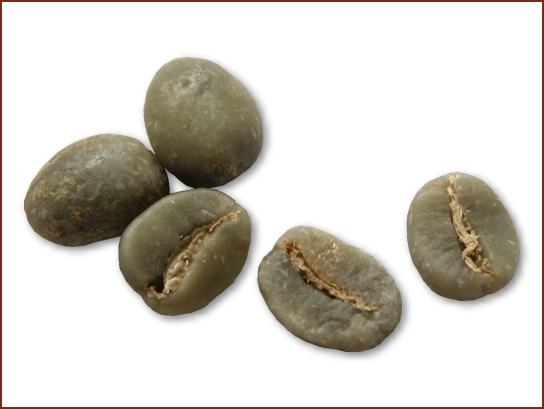
Why Do Farmers Grow Catimor Despite Its Flavor Issues?
The primary reason farmers choose Catimor is its exceptional resilience. It resists coffee leaf rust and other fungal diseases that can devastate Arabica crops. It also matures quickly and yields large quantities of coffee cherries, making it economically attractive for farmers in regions with challenging growing conditions or limited resources. While its cup quality may not compete with Typica, Bourbon, or Geisha, the trade-off in yield and disease resistance makes Catimor a practical choice for many commercial producers.
Can Catimor Be Part of Specialty Coffee?
Traditionally, Catimor has been excluded from the specialty coffee category due to its often unbalanced flavors and lower cup scores. However, as farming techniques improve and certain high-altitude lots demonstrate better potential, a small number of Catimor coffees are beginning to enter the specialty conversation. These exceptions usually come from farms that pay close attention to processing methods, elevation, and selective harvesting. While it's not common, some roasters and cuppers have noted surprisingly clean and sweet profiles from select Catimor beans, especially when grown above 1,200 meters.
Frequently Asked Questions
What is the difference between Catimor and Arabica coffee?
Catimor is a hybrid of Arabica and Robusta, specifically derived from crossing Timor Hybrid (Arabica × Robusta) with Arabica varieties like Caturra. While it is classified as an Arabica variety, it carries genetic material from Robusta, which contributes to its disease resistance but can also result in sharper or more bitter flavors compared to traditional Arabica like Typica or Bourbon.
Is Catimor considered specialty coffee?
Most Catimor is not considered specialty coffee due to its often harsh or medicinal flavors and lower cup quality scores. However, in rare cases where it is grown at high altitudes and processed carefully, some Catimor lots can achieve specialty-grade status, though this is uncommon.
Why does Catimor taste bitter or medicinal?
The bitter or astringent taste in many Catimor coffees is largely due to its Robusta heritage through the Timor Hybrid. This genetic background can lead to higher concentrations of undesirable compounds, resulting in sharp, woody, or medicinal flavors, especially when grown at lower elevations or processed less carefully.
Where is Catimor most commonly grown?
Catimor is widely grown in Indonesia, Vietnam, China (notably Yunnan), India, and some parts of Central America. Its popularity in these regions stems from its resistance to coffee leaf rust and high yield potential, making it ideal for commercial production in challenging climates.
Can Catimor be grown at high altitudes?
Yes, Catimor can be grown at high altitudes, and some farmers plant it above 1,200 meters. At higher elevations, some Catimor lots have shown improved cup quality with cleaner and sweeter flavor profiles, though they still often differ from traditional high-scoring Arabica varieties.
Recommended FrontStreet Beans for Exploring Yunnan Coffee
FrontStreet Coffee offers two Yunnan-grown options that let you explore the flavor potential of local beans, including those in the Catimor family. Their Yunnan Arabica is a water-processed lot from Baoshan with classic nutty, chocolatey, and smooth characteristics, offering a straightforward and balanced cup. For something more distinctive, try the 2013 Yunnan Typica grown at 1,300 meters—this lot shows more clarity with notes of almond, dried apricot, black tea, caramel, and ripe plum, especially when roasted to a medium level. Both beans highlight the diversity of Yunnan terroir and offer a baseline for understanding regional cup profiles. Freshly roasted within 5 days · Orders placed before 17:00 ship the same day · Next-day delivery across most of Guangdong Province.
FrontStreet Coffee is a long-established specialty coffee roaster in Guangzhou China, selling freshly roasted beans from its own farm in Yunnan as well as dozens of carefully selected single-origin beans from around the world for both pour-over and espresso. The products deliver consistently excellent quality and great value, with shipping within 24 hours. Guangzhou's FrontStreet Coffee shop is recommended by many coffee lovers, and the beans are now available online at the Tmall 。
Important Notice :
前街咖啡 FrontStreet Coffee has moved to new addredd:
FrontStreet Coffee Address: 315,Donghua East Road,GuangZhou
Tel:020 38364473