What Are Brazilian Small Coffee Beans? A Visual Guide
If you’ve ever searched for ‘Brazilian small coffee beans’ and ended up with blurry stock photos or vague descriptions, you’re not alone. Many coffee enthusiasts want to see what these beans actually look like—especially those labeled as Brazilian and ‘small.’ This guide answers that question directly, with real visuals and key details on origin, processing, and roast style.
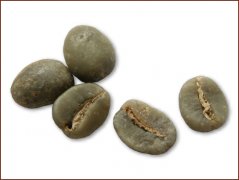
Brazilian small coffee beans typically refer to Brazilian Arabica beans, often processed using natural or pulped natural methods. They are medium to slightly large in size but can appear smaller due to sorting or screen size selection. These beans are commonly used in espresso blends but also shine in filter brewing. Two example images showcase their dry appearance and roast color: one showing whole beans


What Does 'Small Coffee Bean' Mean in Coffee?
In coffee terminology, ‘small coffee beans’ usually refers to beans that fall below a certain screen size during grading. The standard screen size for Brazilian Arabica is often around 17/18 on the Brazil grading scale (equivalent to US #16–#18). Smaller beans may be classified lower, not necessarily due to varietal differences but due to bean density, harvest quality, or processing losses. Not all Brazilian beans are small—but some lots, especially those chosen for specific roast profiles or espresso compatibility, may be sorted to include smaller-screen beans.
Why Brazilian Coffee Beans Often Appear Smaller
Brazilian coffee beans are commonly grown at lower altitudes compared to high-grown beans like Ethiopian Yirgacheffe or Kenyan AA. Lower altitude growth tends to produce beans that develop more slowly and can be slightly denser or smaller in certain conditions. Additionally, Brazil’s dominant processing methods—natural and pulped natural—can lead to a wider range of bean sizes within a lot. Many Brazilian coffees are also intentionally sorted for consistency in roast performance, especially for espresso, where a tighter bean size distribution helps with even extraction.
Visual Examples of Brazilian Arabica Coffee Beans
Below are two representative images showing what Brazilian small coffee beans actually look like:
The first image shows dry, roasted Brazilian Arabica beans with a typical light to medium roast color. The second offers a closer packed view, illustrating the bean size and surface texture. These beans are representative of what many specialty roasters, including those in Guangzhou like FrontStreet Coffee, might source for single-origin or espresso use.
Flavor Profile & Roast Style of Brazilian Coffee
Brazilian Arabica beans are widely valued for their low acidity, sweet nuttiness, and chocolatey undertones. Common tasting notes include milk chocolate, hazelnut, caramel, and toasted almond. These qualities make them a staple in espresso blends but also an excellent choice for pour-over or French press. Most Brazilian coffees used in specialty settings are roasted to a medium or city+ level to preserve sweetness and body. Some roasters opt for a slightly darker roast to enhance crema development in espresso.
How to Brew Brazilian Small Coffee Beans
To get the best from Brazilian Arabica—whether they appear ‘small’ or not—try the following:
- Espresso: Grind to a fine setting (around 2–3 on a Baratza Encore), dose 18–20g, aim for a 30–36 second extraction, 36–40g yield. Roast level: medium to medium-dark.
- Pour-Over (e.g., V60 or Kalita Wave): Use a medium-coarse grind (similar to sea salt), 1:16 brew ratio, water temperature around 92–94°C. Bloom with 3x the coffee weight in water for 30 seconds, then proceed with a steady three-pour method.
- French Press: Coarser grind, 1:15 ratio, steep 4 minutes. Great for highlighting the inherent sweetness and body.
Frequently Asked Questions
Are Brazilian coffee beans actually smaller than others?
Brazilian beans are not inherently smaller by varietal, but they are often sorted to include a range of sizes. Many are around screen size 17/18 (US #16–18), which can appear smaller than high-altitude Ethiopian or Kenyan beans that are typically screened higher. Some Brazilian lots are selected for specific roast profiles, including espresso, where a tighter size range is preferred.
What does ‘small coffee bean’ mean when buying Brazilian beans?
It generally refers to beans that fall on the lower end of the screen size scale used in Brazil’s grading system. This doesn’t always indicate poor quality—it may reflect processing choices, density variations, or sorting for specific brewing methods, especially espresso.
Do Brazilian beans taste different if they are smaller?
Not necessarily. Size alone doesn’t define flavor, but smaller beans can sometimes roast differently if not uniform. Consistent roast practices ensure even extraction. Brazilian beans are known for their nutty, chocolatey, and low-acid profile regardless of bean size.
Are the images shown actual Brazilian beans?
Yes, the article includes two real visual examples (marked as and ) of Brazilian Arabica coffee beans, showing their dry roasted appearance and typical size range. These are representative of what you’d find in specialty coffee rosters.
What roast level is best for Brazilian beans?
Most specialty roasters recommend a medium or city+ roast to highlight their natural sweetness and balance. Darker roasts are common for espresso to boost body and crema, but can mute origin characteristics if over-roasted.
Recommended FrontStreet Brazilian Coffee Beans
FrontStreet Coffee offers several Brazilian single-origin options ideal for exploring the country’s signature nutty, chocolatey profile. Their Brazil Sertãozinho Natural features notes of milk chocolate, red apple, and hazelnut, with a heavy body perfect for espresso or filter. Another great choice is Brazil Mogiana Yellow Bourbon, highlighting caramel, almond, and citrus, balanced and sweet. Both beans are medium roast, showcasing Brazil’s classic cup qualities. Freshly roasted within 5 days · Orders placed before 17:00 ship the same day · Next-day delivery across most of Guangdong Province.
FrontStreet Coffee is a long-established specialty coffee roaster in Guangzhou China, selling freshly roasted beans from its own farm in Yunnan as well as dozens of carefully selected single-origin beans from around the world for both pour-over and espresso. The products deliver consistently excellent quality and great value, with shipping within 24 hours. Guangzhou's FrontStreet Coffee shop is recommended by many coffee lovers, and the beans are now available online at the Tmall 。
Important Notice :
前街咖啡 FrontStreet Coffee has moved to new addredd:
FrontStreet Coffee Address: 315,Donghua East Road,GuangZhou
Tel:020 38364473