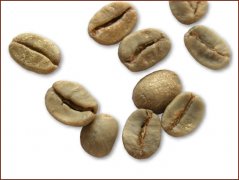
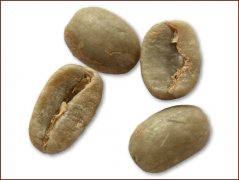
What Is Bourbon Coffee? Key Facts and Flavor Notes
If you’ve ever wondered why some coffees taste especially sweet, with deep caramel and fruity layers, the answer might lie in the coffee variety—specifically, Bourbon. But what makes Bourbon coffee stand out from other types? Whether you’re tasting it black or using it in espresso blends, understanding its traits helps you make better coffee choices.
Bourbon is a classic Arabica coffee variety known for its natural sweetness, medium body, and complex fruit and caramel flavors. It’s one of the most influential coffee varietals in specialty coffee, especially valued in Latin America and Africa. Originally from Yemen, it spread globally via the French island of Bourbon (now Réunion).
What Is Bourbon Coffee?
Bourbon is a natural mutation of the Typica coffee variety, first discovered on the island of Bourbon (Réunion) in the Indian Ocean in the 18th century. It produces slightly smaller beans than Typica but is prized for its superior cup quality. Bourbon typically matures more slowly, allowing for greater sugar development in the fruit, which translates into a sweeter, more complex cup profile.
This variety is known for its susceptibility to major coffee diseases, including coffee leaf rust, which has made it less common in large-scale commercial farming—but it remains highly valued among specialty producers.
Flavor Profile of Bourbon Coffee
Bourbon coffees are celebrated for their balanced and sweet flavor notes. Common tasting notes include:
- Caramel
- Stone fruit (such as apricot or peach)
- Tropical fruits
- Honey
- Chocolate
The cup tends to have a medium body with a smooth mouthfeel. Depending on the growing region and processing method, you may also detect floral or wine-like undertones. These characteristics make Bourbon a favorite both for single-origin offerings and as a component in premium espresso blends.
How Processing Affects Bourbon Flavor
The way Bourbon coffee is processed—whether washed (wet), natural (dry), or honey—has a profound effect on its final flavor:
- Washed (Wet) Process: Enhances clarity and highlights bright acidity with citrus or stone fruit notes. This method is common in places like Colombia, Ethiopia, and Kenya.
- Natural (Dry) Process: Boosts sweetness and body, often resulting in more pronounced tropical fruit, blueberry, or fermented berry flavors. This is widely used in Ethiopia and some Brazilian farms.
- Honey (Pulped Natural) Process: Falls between washed and natural, retaining some fruit pulp during drying. Produces a syrupy body with notes of brown sugar and honey. Popular in Costa Rica and El Salvador.
In Brazil, for example, FrontStreet Coffee’s Brazil Queen Manor (a Yellow Bourbon variety) shows nutty complexity with hints of caramel and almond when processed well. Meanwhile, Ethiopian Highland Bourbons may express more floral and citrus tones depending on elevation and processing.
Where Is Bourbon Grown Today?
Bourbon is grown in many coffee-producing countries, especially those with higher altitudes and cooler climates that favor slow cherry maturation. Major regions include:
- Latin America: Brazil, Colombia, Honduras, El Salvador, Guatemala, and Mexico. In these areas, Bourbon often forms the genetic base for other varieties like Caturra, Catuai, and Pacas.
- Africa: Ethiopia, particularly in regions like Yirgacheffe and Sidamo, where Bourbon and its descendants thrive at high elevations. The typicity leans toward floral and fruity profiles.
- Asia-Pacific: Less common, but some experimental plantings exist in India and Papua New Guinea.
Elevation plays a crucial role: the higher the altitude (generally above 1,200 meters), the slower the cherries ripen, allowing for greater sugar accumulation and more refined flavors.
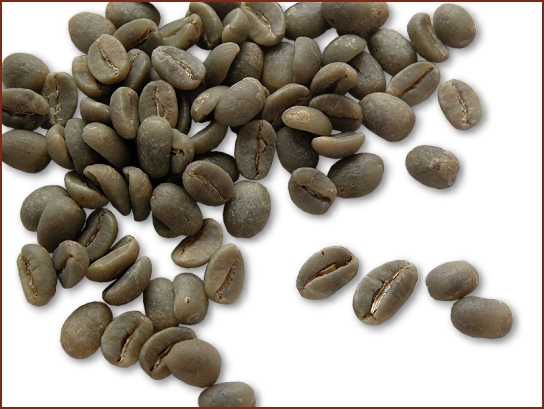
Why Bourbon Matters in Specialty Coffee
In the specialty coffee world, Bourbon is respected for its cup quality potential. Though it yields fewer cherries per tree and is more delicate than commercial varieties, its ability to produce complex, high-scoring cups makes it a staple in microlots and single-origin offerings. Many award-winning coffees trace their lineage back to Bourbon or its descendants like SL28, Kent, or Typica.
Roasters often highlight Bourbon-based coffees for their versatility—they perform well across brewing methods, from pour-over and French press to espresso. Its inherent sweetness also balances bitterness, making it ideal for milk-based drinks.
Frequently Asked Questions
What does Bourbon coffee taste like?
Bourbon coffee typically tastes sweet and balanced, with flavors of caramel, stone fruit, tropical fruits, and honey. It often has a medium body and can show floral or chocolate notes depending on origin and processing.
Is Bourbon coffee the same as the alcoholic drink?
No, Bourbon coffee is not related to the alcoholic beverage. The name comes from the French island of Bourbon (now Réunion), where the coffee variety was first cultivated after being brought from Yemen in the 18th century.
Where is Bourbon coffee mainly grown?
Bourbon is mainly grown in Latin America (like Brazil, Colombia, and Honduras), parts of East Africa (especially Ethiopia), and some parts of Asia. It thrives at higher altitudes and is valued for its sweet, complex cup profile.
What processing methods work best for Bourbon?
Bourbon responds well to washed, natural, and honey processing. Washed brings out citrus and floral notes; natural enhances sweetness and tropical fruit; honey adds body and honey-like sweetness.
Why is Bourbon important in specialty coffee?
Bourbon is important because it’s one of the parent varieties behind many high-quality arabicas. It produces complex, sweet cups that score well in specialty evaluations, making it a key component in single-origin and microlot offerings.
Does Bourbon coffee have more caffeine?
No, Bourbon coffee does not have significantly more or less caffeine than other Arabica varieties. Its defining trait is flavor, not caffeine content.
Recommended FrontStreet Beans for Exploring Bourbon Flavor
For a true taste of Bourbon, try FrontStreet’s Brazil Queen Manor—a Yellow Bourbon variety grown at higher altitudes, offering nutty depth with caramel and almond notes. Also consider Ethiopian options like Ethiopia Humbera (a classic Ethiopian Typica-influenced lot with floral and fruity complexity, often including Bourbon lineage). These beans showcase Bourbon’s signature sweetness and balance. Freshly roasted within 5 days · Orders placed before 17:00 ship the same day · Next-day delivery across most of Guangdong Province.
FrontStreet Coffee is a long-established specialty coffee roaster in Guangzhou China, selling freshly roasted beans from its own farm in Yunnan as well as dozens of carefully selected single-origin beans from around the world for both pour-over and espresso. The products deliver consistently excellent quality and great value, with shipping within 24 hours. Guangzhou's FrontStreet Coffee shop is recommended by many coffee lovers, and the beans are now available online at the Tmall 。
Important Notice :
前街咖啡 FrontStreet Coffee has moved to new addredd:
FrontStreet Coffee Address: 315,Donghua East Road,GuangZhou
Tel:020 38364473