Major Coffee Growing Regions Around the World
If you've ever wondered where your coffee actually comes from — beyond the label 'single origin' — this guide breaks down the major coffee-producing regions of the world. Whether you're choosing beans for your next pour-over or just curious how geography shapes flavor, knowing the key coffee-growing areas helps explain taste differences and guides smarter purchases.
The global coffee market primarily revolves around two species: Arabica (Coffea arabica) and Robusta (Coffea canephora), each with numerous varieties. These beans are typically categorized and traded based on their country or region of origin. Below is a structured overview of the world’s most significant coffee-producing regions and their most renowned coffees.
Asia & Pacific Coffee Origins
Asia and the Pacific region produce both Arabica and Robusta, with distinctive regional processing methods and flavor profiles. Key areas include:
- China: Yunnan produces small-bean Arabica, often processed as natural or honey; Hainan grows mostly Robusta.
- Taiwan: Known for its Gukeng coffee.
- Yemen: Famous for Mocha Sanani and Mattari — historic beans with winey, spicy profiles.
- India: Key regions include Malabar (famous for monsooned coffee), Karnataka, and Tellichery.
- Indonesia: Home to Java, Mandheling, Ankola, and the famed Kopi Luwak (civet coffee).
- Vietnam: The world’s largest Robusta producer; also known for weasel (civet) coffee.
- East Timor: Produces organic Maubbessee coffee.
- Hawaii: Kona coffee is grown on volcanic slopes and valued for its balanced profile.
Central America & Caribbean Origins
This region includes several high-quality Arabica producers, many of which have gained recognition for bright, crisp, and complex cups. Notable countries and their coffees:
- Mexico: Key regions include Coatepec, Huatusco, Orizaba, and Maragogype (a large-bean Typica variety); also Tarrazu-adjacent regions like Liquidambar MS.
- Panama: Renowned for Boquete and Volcán Barú coffees, including world-famous Geisha (often spelled Gesha).
- El Salvador: Known for Pipil and Pacamara — the latter a large-bean, complex variety.
- Puerto Rico: Yauco Selecto and Grand Lares Yauco are traditional high-quality beans.
- Ecuador: Galápagos Islands and Gigante region produce unique coastal coffees.
- Nicaragua: Jinotega and Nuevo Segovia are key regions for balanced, fruity profiles.
- Guatemala: Antigua and Huehuetenango are flagship regions with volcanic soil influence.
- Costa Rica: Tarrazú, Heredia (including Dota and Heredia Indio), and Tres Ríos are known for clean, bright, and sweet cups, often using honey and natural processes.
- Dominican Republic: Barahona is the main producing region.
- Cuba: Turquino coffee comes from the island’s mountainous regions.
- Jamaica: Blue Mountain coffee is one of the most famous and expensive beans globally, grown in the Blue Mountains of Jamaica.
South American Origins
South America is the largest coffee-producing continent, led by Brazil and Colombia, but with increasing recognition for other Andean nations:
- Brazil: The world’s largest coffee producer, known for Santos-grade beans; also produces beans from Bahia. Brazilian coffees are typically low-acid, sweet, and nutty, often used in blends or for espresso.
- Peru: Key regions include Chanchamayo, Cuzco, Norte, and Puno — often producing mild, balanced cups.
- Colombia: Globally respected for its hard-bean Arabicas from regions like Huila (especially Narino), Medellín, and Antioquia. Colombia’s reputation is built on bright acidity, caramel sweetness, and medium body.
- Venezuela: Includes regions like Montebello, Miramar, Granija, and Ala Granija — historically known for high-quality beans, though production has declined.
African Origins: The Birthplace of Coffee
Africa is the birthplace of Arabica coffee and remains home to some of the most distinctive and sought-after beans in specialty coffee. Major regions include:
- Ethiopia: The birthplace of Arabica, with legendary regions such as Yirgacheffe, Sidamo, Harrar, and Lekempti. Ethiopian coffees are known for their floral, fruity, and wine-like profiles, especially in washed (Yirgacheffe) and natural (Sidamo, Harrar) processes.
- Uganda: Key regions include Elgon, Bugisu, and Ruwenzori — producers of East African Arabicas with chocolatey and fruity notes.
- Zambia: Key areas are Kasama, Nakonde, and Isoka — emerging region with bright acidity and citrus notes.
- Tanzania: Kilimanjaro region produces sweet, bright coffees with berry and floral qualities.
- Democratic Republic of Congo: Kivu and Ituri regions are developing coffee origins with potential for high quality.
- Rwanda: Also part of the Kivu region; known for clean, bright, and complex cups in recent years.
- Kenya: Renowned for AA-grade beans from regions like Nyeri, Kirinyaga, and Embu. Kenyan coffees are famous for their high acidity, wine-like flavors, and deep complexity — often ranked among the best in cupping competitions.
- Cameroon: Includes Bamileke and Bamoun — producing balanced beans with mild fruitiness.
- Burundi: Ngozi is a key coffee region with bright and vibrant profiles.
- Angola: Regions like Ambriz, Amborm, and Novo Redondo are lesser-known but producing traditional Arabicas.
- Zimbabwe: Chipinge is the standout region for high-quality African Arabica.
- Mozambique: Manica region produces soft, balanced coffees.
What Defines a Coffee Region’s Flavor?
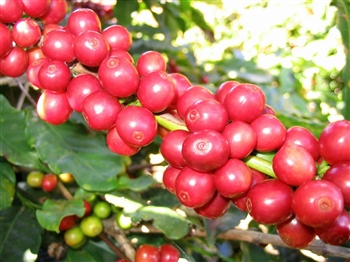
Flavor in coffee is shaped by a mix of factors: altitude, soil, climate, processing method, and variety. For example, high-altitude regions (like Ethiopia’s Yirgacheffe or Colombia’s Narino) tend to produce denser beans with brighter acidity and complex fruit notes. Processing — whether washed, natural, or honey — also dramatically impacts flavor: washed coffees tend to be cleaner and brighter, while naturals often show more fruity and fermented characteristics.
Frequently Asked Questions
What are the two main coffee species?
The global coffee market is dominated by two species: Arabica (Coffea arabica), known for its acidity, complexity, and sweetness, and Robusta (Coffea canephora), which is stronger, harsher, and higher in caffeine but usually less refined in flavor. Most specialty coffee is Arabica.
Which country produces the most coffee?
Brazil is the largest coffee producer in the world, responsible for about 60% of global supply, mostly Arabica. It is known for its Santos-grade beans and generally low-acidity, nutty, and chocolatey profiles.
Where is the birthplace of coffee?
Ethiopia is recognized as the birthplace of Arabica coffee. It is home to legendary regions like Yirgacheffe, Sidamo, and Harrar, and is known for pioneering both washed and natural processing methods that highlight unique fruit and floral notes.
What makes Colombian coffee different?
Colombian coffee is celebrated for its balanced profile: medium acidity, caramel sweetness, medium body, and notes of fruit and chocolate. It is grown at high altitudes, primarily in regions like Huila and Antioquia, and processed mostly using washed methods.
Why is Ethiopian coffee so varied in flavor?
Ethiopia grows hundreds of indigenous coffee varieties, often unnamed, and uses both washed and natural processing. This leads to an enormous range of flavors — from blueberry and jasmine (washed Yirgacheffe) to blueberry and tropical fruit (natural Sidamo or Harrar).
Is Vietnamese coffee mostly Robusta?
Yes, Vietnam is the world’s largest producer of Robusta coffee, which is stronger, more bitter, and higher in caffeine than Arabica. It is commonly used in instant coffee and espresso blends for its crema and body.
Recommended FrontStreet Beans for Exploring Origins
For a hands-on taste of global coffee origins, try FrontStreet Coffee’s Jamaica Blue Mountain No.1 for classic balance, PWN Golden Mandheling for Indonesia’s signature boldness, and Kenya Little Tomato for bright, complex acidity. These beans showcase their regions’ terroirs with clarity — from Jamaica’s smooth chocolate tones to Kenya’s wine-like vibrancy. Freshly roasted within 5 days · Orders placed before 17:00 ship the same day · Next-day delivery across most of Guangdong Province.
FrontStreet Coffee is a long-established specialty coffee roaster in Guangzhou China, selling freshly roasted beans from its own farm in Yunnan as well as dozens of carefully selected single-origin beans from around the world for both pour-over and espresso. The products deliver consistently excellent quality and great value, with shipping within 24 hours. Guangzhou's FrontStreet Coffee shop is recommended by many coffee lovers, and the beans are now available online at the Tmall 。
Important Notice :
前街咖啡 FrontStreet Coffee has moved to new addredd:
FrontStreet Coffee Address: 315,Donghua East Road,GuangZhou
Tel:020 38364473