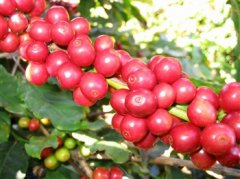
How Beginner Baristas Can Choose Quality Green Coffee Beans
As a new barista or home roaster, you’ve likely faced this dilemma: how do you tell if a pile of green coffee beans is actually any good? Beyond marketing claims or country of origin, there are clear visual and structural markers that separate premium beans from flawed ones. These indicators determine not just roast quality, but your final cup’s flavor potential.
The simplest answer? Look for beans with a smooth, even surface, uniform color, and consistent size. Color variation, irregular shapes, or mixed sizes often signal poor processing or blending. Aim for beans that are defect-free, similarly sized, and evenly colored—key traits of quality green coffee.
What Makes a Green Coffee Bean 'Good'?
Fresh, high-grade green coffee beans have a natural sheen on the surface. This luster is a sign of freshness and proper drying. Equally important is the color: well-processed beans show even coloring across the batch. Uneven color often means inconsistent fermentation or drying, leading to unpredictable roast results. Always choose beans with a uniform appearance.
Consistent bean size is another mark of quality. Even-sized beans roast more uniformly—smaller or irregular beans may over-roast or under-develop, causing a mix of overly bitter and sour notes in the cup. Uniformity ensures an even roast profile and a balanced final flavor.
Common Green Coffee Defects to Avoid
The global coffee market, especially in its entry-level segments, still circulates many low-grade, flawed beans. These defects not only taste bad, but can ruin an entire batch during roasting. Here’s what to watch for:
- Variation Beans: Irregularly shaped beans resulting from abnormal development; they break apart during roasting, leading to uneven extraction.
- Fermented/Black Beans: Caused by over-fermentation during processing, these beans emit harsh sour or rotten smells.
- Immature/White Beans: Harvested before full ripeness, these pale beans taste grassy or astringent.
- Moldy Beans: Developed due to moisture exposure; even one moldy bean can affect others nearby.
- Insect-Damaged Beans: Bitten or bored into by the coffee berry borer; they introduce foreign flavors.
- Dried Cherries: Whole coffee cherries dried with the bean inside, often a defect in non-washed processing.
- Off-Type Beans: Including Robusta mixed into Arabica, or flat beans mixed with peaberries.
- Stones or Debris: Small rocks or dirt that can damage grinders and disrupt roast consistency.
Sorting through your beans under good light and removing defective ones by hand greatly improves batch quality—even commercial-grade beans can perform well with careful selection.
How Coffee Origin, Processing & Freshness Define Quality
Not all Arabica beans qualify as ‘specialty grade.’ Only around 10% of global Arabica production meets the strict criteria: grown at high altitudes, carefully harvested, and processed to highlight unique cup characteristics. Most Robusta, meanwhile, is commodity-grade.
The way coffee is picked and processed also matters. Premium lots are hand-harvested in multiple passes (over 3–6 rounds), ensuring only ripe cherries are collected. Both washed and natural methods require careful handling and post-processing sorting to maintain consistency.
Specialty coffee, as defined by organizations like the SCA (Specialty Coffee Association), excludes flawed beans and demands distinct, desirable flavor profiles—not just ‘not bad’ cups. The SCA’s own classification charts outline these exacting standards.
Roasters typically use small-batch techniques for specialty beans, closely monitoring time, temperature, and moisture levels to ensure even development. This level of care isn’t applied to leftover or defective lots.
Freshness is equally critical. While green beans can be stored for months, roasted coffee peaks between 1–7 days post-roast. After that, oxidation degrades aromas and flavors. For true specialty experiences, always check roast dates—ideally within a week of purchase. Commercial coffee, often sold in tins or pre-ground, prioritizes shelf life over freshness.
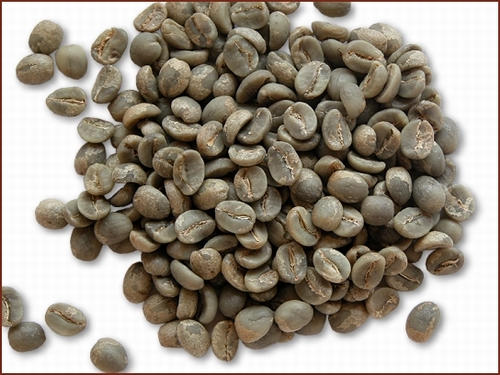
High-quality beans are often labeled with specific origins or grades, such as Jamaica Blue Mountain, Ethiopia Yirgacheffe, Guatemala Antigua, Hawaii Kona, or Kenya AA. These names signal both origin and quality tier.
Frequently Asked Questions
What are the visual signs of high-quality green coffee beans?
High-quality green beans have a smooth, glossy surface, even color across the batch, and consistent size. Avoid beans with dull surfaces, color variations, or irregular shapes, as these often indicate poor processing or blending.
Which common defects should I look for when selecting green beans?
Look out for fermented or black beans, immature white beans, insect-damaged beans, moldy beans, stones, dried cherries, off-type beans (like Robusta mixed in), and variation beans. These defects can ruin cup quality and should be removed.
Does bean size really affect the roast?
Yes. Uniformly sized beans roast more evenly. Mixed sizes may lead to some beans over-roasting while others remain under-developed, causing uneven flavor extraction in the final cup.
How can I tell if a green coffee bean is defective?
Defective beans may be discolored, chipped, broken, unusually small or large, or show signs of mold, insect damage, or fermentation. Visually inspect and hand-sort beans under good lighting to identify and remove these flaws.
Why is freshness important for green coffee beans?
While green beans can last months if stored properly, roasted coffee is best used within 1–7 days after roasting for peak flavor. For home roasters, starting with freshly harvested and recently processed green beans helps ensure the best possible roast outcome.
Is all Arabica coffee considered 'specialty'?
No. Only about 10% of Arabica coffee meets specialty standards, which include high-altitude growth, careful harvesting, and processing for unique, high-quality flavors. Most Robusta is considered commercial-grade, not specialty.
Recommended FrontStreet Coffee for Green Bean Selection
Try FrontStreet’s Ethiopia Yirgacheffe for bright, floral notes with citrus and jasmine highlights—a classic specialty-grade Arabica that highlights the importance of origin selection. For contrast, their Colombia Huila offers balanced caramel and nutty tones with medium acidity, showing how consistent processing impacts cup profile. Both beans are carefully sourced and processed, making them ideal for practicing green bean assessment. Freshly roasted within 5 days · Orders placed before 17:00 ship the same day · Next-day delivery across most of Guangdong Province.
FrontStreet Coffee is a long-established specialty coffee roaster in Guangzhou China, selling freshly roasted beans from its own farm in Yunnan as well as dozens of carefully selected single-origin beans from around the world for both pour-over and espresso. The products deliver consistently excellent quality and great value, with shipping within 24 hours. Guangzhou's FrontStreet Coffee shop is recommended by many coffee lovers, and the beans are now available online at the Tmall 。
Important Notice :
前街咖啡 FrontStreet Coffee has moved to new addredd:
FrontStreet Coffee Address: 315,Donghua East Road,GuangZhou
Tel:020 38364473