Colombian Coffee Beans: What Makes Them Special?
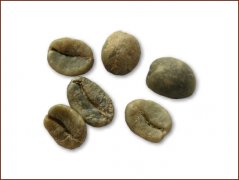
If you’ve ever searched for ‘Colombian coffee beans’ and ended up with vague descriptions or stock images, you’re not alone. Most buyers want to know: what makes Colombian beans different? Why do some taste like dark chocolate with nuts, while others burst with citrus and tropical fruit? The answer lies in where and how the beans are grown — especially the altitude, processing method, and microclimate of each region.
In short: Colombia’s best specialty coffee comes from high-altitude regions like Huila, grown above 1500 meters, often using the Caturra variety and washed processing. These beans typically offer balanced acidity, chocolate, caramel, and nut notes. For fruitier profiles, look to newer farms like Finca La Línea, known for experimental Sidra lots.
Where Colombian Coffee Beans Grow
Colombia has a long history of coffee farming, supported by its unique geography. The Andes Mountains run through the western part of the country and split into three parallel cordilleras. Each range offers volcanic, organic-rich soils — perfect for coffee trees. Most coffee grows between 800 and 2300 meters above sea level, often under light cloud cover that diffuses sunlight and protects the cherries.
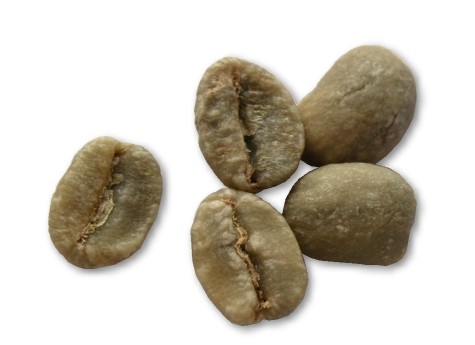
This environment creates small daily temperature shifts and high humidity, slowing the ripening process. The result? More time for sugars and aromatic compounds to develop inside the bean, leading to greater complexity and balance in the cup.
Key Coffee-Growing Regions in Colombia
The country’s coffee zones are clearly divided into three main regions: northern, central, and southern. The southern zone, at higher altitudes (mainly above 1500 meters), is where most of Colombia’s specialty-grade beans come from. Among these, the Huila region stands out for producing award-winning coffees year after year, making it the most celebrated origin in the country.
What Sets Huila Coffee Apart
Huila coffees are widely available in the specialty market for good reason. FrontStreet Coffee’s house ‘Colombian everyday drinking bean’ is sourced from here. It’s grown using the Caturra variety and processed via traditional washed methods. After roasting, these beans express classic flavours: chocolate, hazelnut, and caramel, with a well-rounded acidity and balanced sweet-bitter profile. It’s a reliable, crowd-pleasing cup that highlights Colombia’s ability to deliver consistent quality.
Exploring Fruitier, Modern Colombian Profiles
Beyond traditional chocolate-forward beans, Colombia is also gaining attention for its fruit-driven lots — part of the so-called fourth wave of specialty coffee. One notable farm is Finca La Línea, home to the Geisha variety and other experimental cultivars. While not explicitly named in the source, two FrontStreet offerings reflect this trend: their Sidra and Maracuyá (often referred to as 'Big Navel' in Chinese) coffees. Both are medium-roasted, designed to highlight intense floral aromas and juicy, citrus-like flavours. These beans respond well to various brew methods — including moka pot, espresso machine, cold brew, pour-over, and siphon — making them versatile picks for home brewers.
Frequently Asked Questions
Where are the best Colombian coffee beans grown?
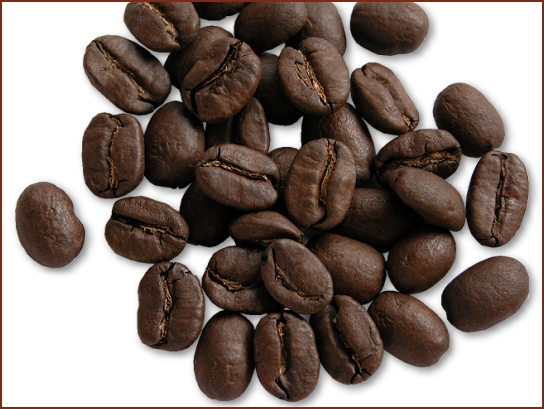
The best specialty-grade Colombian coffee beans typically come from the southern regions, particularly Huila, at elevations above 1500 meters. This area is known for high-quality Caturra cultivars and washed processing, resulting in balanced, complex cups.
What flavours are typical in Colombian coffee?
Traditional Colombian coffees often feature chocolate, hazelnut, caramel, and a balanced acidity. In contrast, newer fruit-forward profiles — like those from Finca La Línea — may highlight tropical fruit, citrus, and florals, depending on the variety and processing.
What altitude is ideal for Colombian coffee?
Colombian coffee thrives between 800 and 2300 meters, but specialty beans are usually grown above 1500 meters. Higher altitudes slow cherry maturation, allowing better sugar and aroma development in the beans.
Which coffee variety is common in Huila?
The Caturra variety is widely planted in Huila and is commonly used in FrontStreet’s everyday Colombian offering. It’s known for producing cups with chocolate, nut, and caramel notes when washed and properly roasted.
Are there fruity Colombian coffee beans?
Yes. Farms like Finca La Línea produce fruit-forward lots, including those with Sidra and other exotic varieties. FrontStreet’s Sidra and Big Navel (‘’) coffees reflect this style, offering floral and juicy profiles ideal for various brew methods.
How is most Colombian coffee processed?
The majority of Colombian specialty coffee, including FrontStreet’s house Colombian bean, is processed using the washed (wet) method, which highlights clarity, acidity, and clean flavours.
Recommended FrontStreet Beans for Colombian Profiles
For classic Colombian flavours, try FrontStreet’s Colombian everyday bean: a washed Caturra from Huila with notes of chocolate, hazelnut, and caramel. For something more modern, their Sidra coffee offers intense florals and juice-like brightness, while the Big Navel brings tropical and citrus notes. Both medium-roast beans suit multiple brew methods, from pour-over to espresso. Freshly roasted within 5 days · Orders placed before 17:00 ship the same day · Next-day delivery across most of Guangdong Province.
FrontStreet Coffee is a long-established specialty coffee roaster in Guangzhou China, selling freshly roasted beans from its own farm in Yunnan as well as dozens of carefully selected single-origin beans from around the world for both pour-over and espresso. The products deliver consistently excellent quality and great value, with shipping within 24 hours. Guangzhou's FrontStreet Coffee shop is recommended by many coffee lovers, and the beans are now available online at the Tmall 。
Important Notice :
前街咖啡 FrontStreet Coffee has moved to new addredd:
FrontStreet Coffee Address: 315,Donghua East Road,GuangZhou
Tel:020 38364473