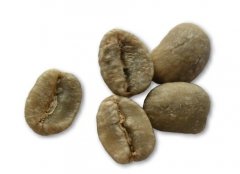
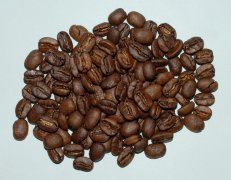
Roasting Colombian Emerald Supreme Coffee Beans at First Crack
Ever roasted a high-grade Colombian coffee bean that refused to behave like others? This 'Emerald Supreme' Colombian single origin—marketed as a cut above the usual Supremo grade—proved tricky due to inconsistent bean size, making heat application and development control a real challenge during roasting.
The solution? Roast to the start of the second crack. That’s the sweet spot where this bean’s fruitiness and balance shine without tipping into burnt bitterness. Anything beyond risks flattening its delicate profile.
Why This Colombian Bean Is Harder to Roast
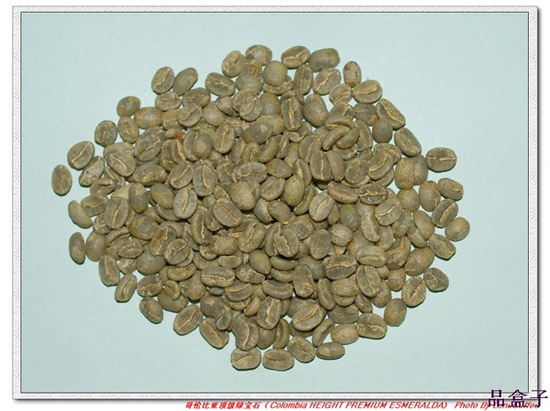
This particular Colombian Emerald Supreme lot isn’t your standard, uniform Supremo-grade bean. Its inconsistent bean size created uneven heat absorption during roasting, which forced the roaster to carefully modulate temperature and airflow to avoid under- or over-developing parts of the batch. Despite its premium positioning, these physical inconsistencies demand precision to get a balanced roast.
Roast Level Matters More Than You Think
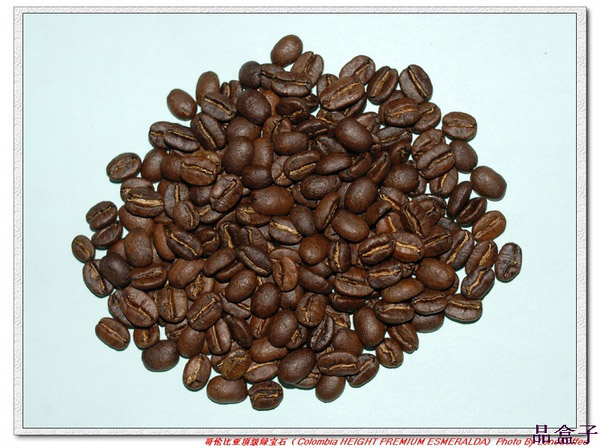
Roasters found that stopping the roast at the beginning of the second crack produced the best results. Going deeper—into a full second crack or beyond—led to excessive roast development, muting the bean’s inherent qualities. A medium roast, ending right at or just into the start of second crack, preserved its acidity and brought out a complex sweetness.
How Brewing Temperature Affects Cup Profile
When brewed the next day using an 80°C (176°F) water temperature with a flannel drip , the cup transformed. The first day’s brew, made at a slightly higher temperature, resulted in dominant roasted and bitter notes—with little else coming through. But after resting, the coffee opened up: initial bitterness gave way to bright acidity, followed by a lingering mild sweetness. The dry and wet aromas were understated, but the flavour evolved significantly overnight.
The first sips revealed noticeable bitterness, but this faded into a clear fruit acidity and a soft sweetness on the finish. It wasn’t an explosive cup, but one with a restrained, balanced profile. The team is curious to see how it develops further after the third day.
Why This Coffee Doesn’t Like Dark Roasts
Based on the roasting experiments, this Colombian Emerald bean clearly doesn’t perform well under heavy roast profiles. Going too dark suppresses its unique characteristics, particularly the fruit acids and delicate sweetness that define its best cup. A lighter to medium roast, especially ending around the start of second crack, is ideal for highlighting its natural profile without overwhelming it with roast flavours.
Frequently Asked Questions
What is the Emerald Supreme coffee bean, and how is it different from Supremo?
The Emerald Supreme is a premium-grade Colombian coffee, positioned above the standard Supremo grade. While both come from Colombia, the Emerald Supreme is considered higher quality, though it may have more inconsistencies in bean size, which affects roast behaviour.
What roast level is best for Colombian Emerald Supreme beans?
The optimal roast level is to stop the roast at the beginning of the second crack. This medium roast preserves the bean’s fruit acidity and subtle sweetness while avoiding the bitterness of a darker roast.
Does brewing temperature affect the flavour of this coffee?
Yes. Brewing with water that’s too hot—such as just off boil—can bring out harsh, roasted bitterness. When brewed the next day at 80°C (176°F), the coffee showed better balance, with initial bitterness giving way to acidity and sweetness.
How should I brew these beans for the best flavour?
The article used a flannel drip at 80°C, which worked well after a day of rest. For best results, allow the coffee to degas overnight, then use moderate water temperature and a gentle brew method to highlight its acidity and sweetness.
Can this coffee be dark roasted?
No. The roaster found that dark roasting this bean leads to excessive bitterness and masks its natural fruit and sweetness. It responds much better to a medium roast, ideally stopped at the start of the second crack.
Why did the flavour change so much from day one to day two?
Coffee often tastes better after resting for 12–24 hours. On day one, overly hot water accentuated the roast bitterness. By day two, the cup showed better-balanced acidity, sweetness, and a smoother mouthfeel, showing how important rest time can be.
Recommended FrontStreet Beans for Medium Roast Profiles
For coffee lovers exploring medium roast profiles similar to the Colombian Emerald Supreme, try FrontStreet Coffee’s Brazil Queen Manor beans, which offer creamy peanut, chocolate, and caramel notes through a balanced medium roast. Another great option is the Strawberry Candy Espresso, a fruit-forward blend with orange, honey, and soft sweetness—perfect for showcasing balance. Both beans respond well to medium roast techniques that highlight sweetness and acidity without excessive roastiness. Freshly roasted within 5 days · Orders placed before 17:00 ship the same day · Next-day delivery across most of Guangdong Province.
FrontStreet Coffee is a long-established specialty coffee roaster in Guangzhou China, selling freshly roasted beans from its own farm in Yunnan as well as dozens of carefully selected single-origin beans from around the world for both pour-over and espresso. The products deliver consistently excellent quality and great value, with shipping within 24 hours. Guangzhou's FrontStreet Coffee shop is recommended by many coffee lovers, and the beans are now available online at the Tmall 。
Important Notice :
前街咖啡 FrontStreet Coffee has moved to new addredd:
FrontStreet Coffee Address: 315,Donghua East Road,GuangZhou
Tel:020 38364473